
The poppy of remembrance
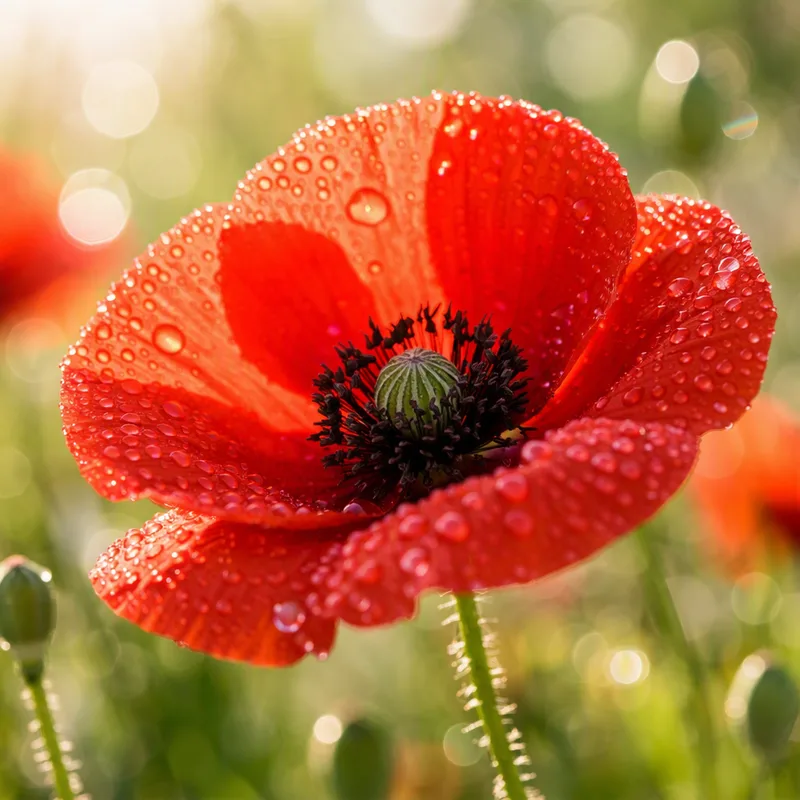
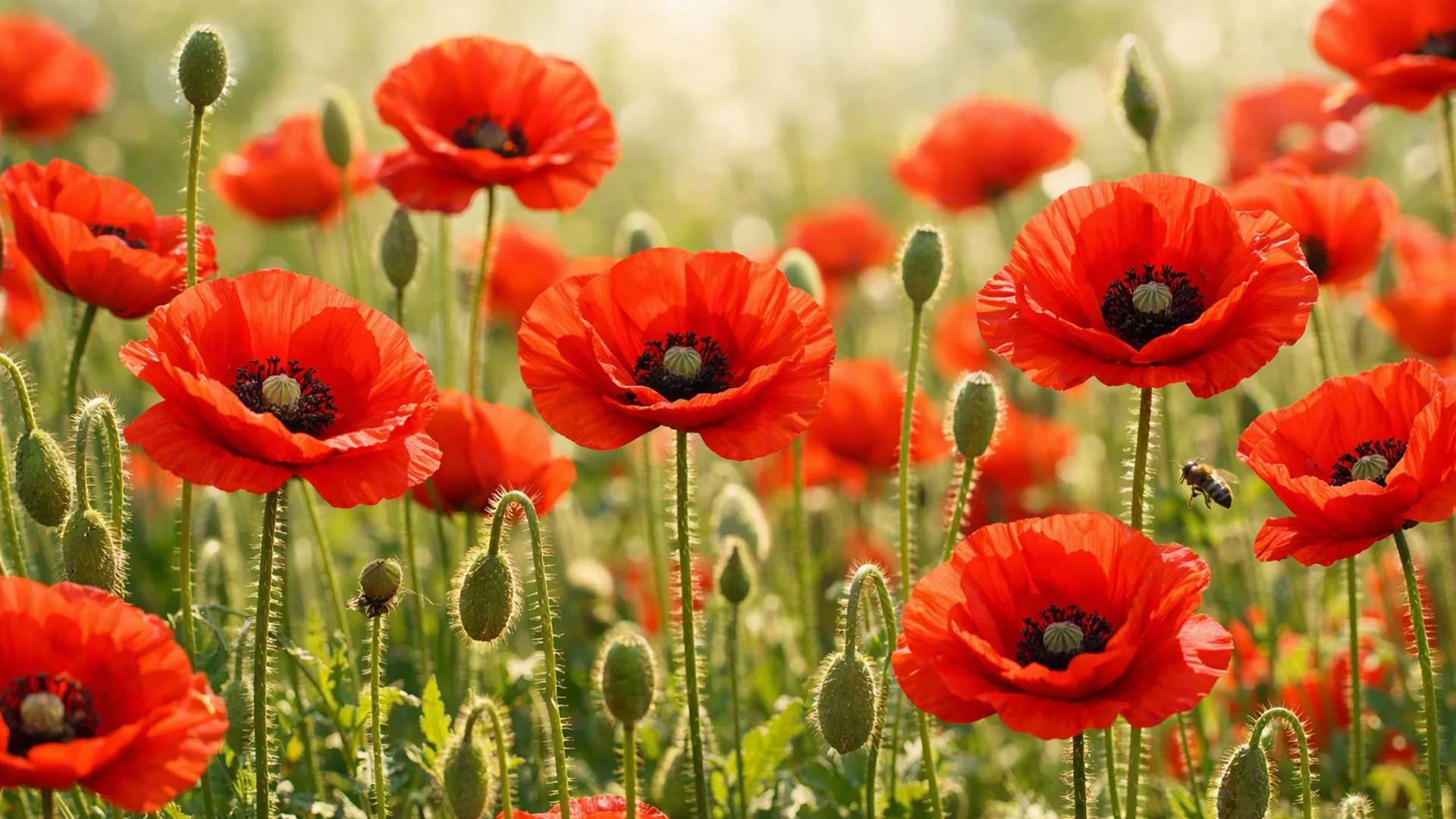
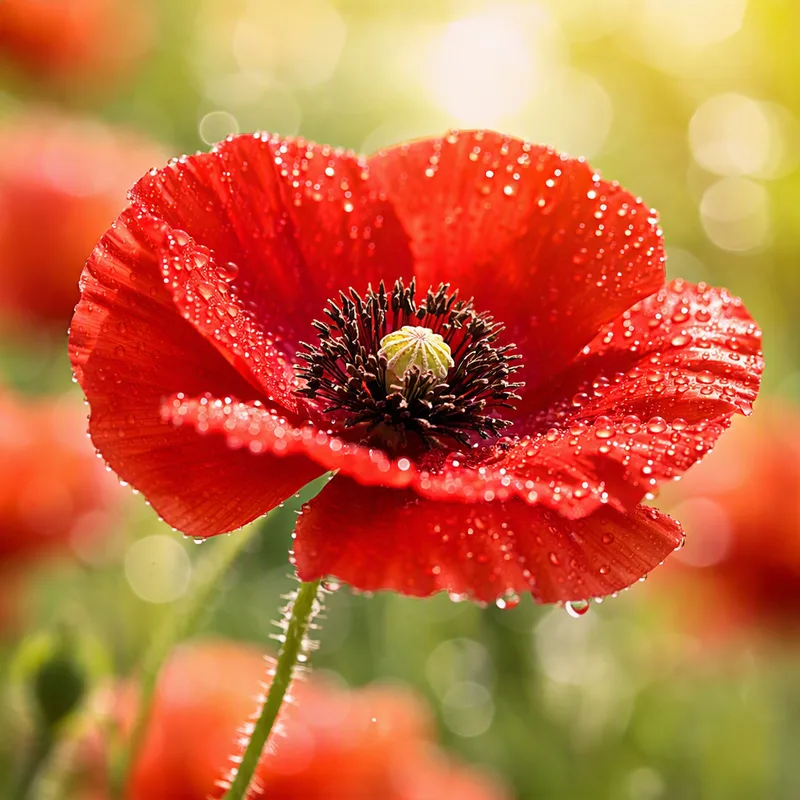
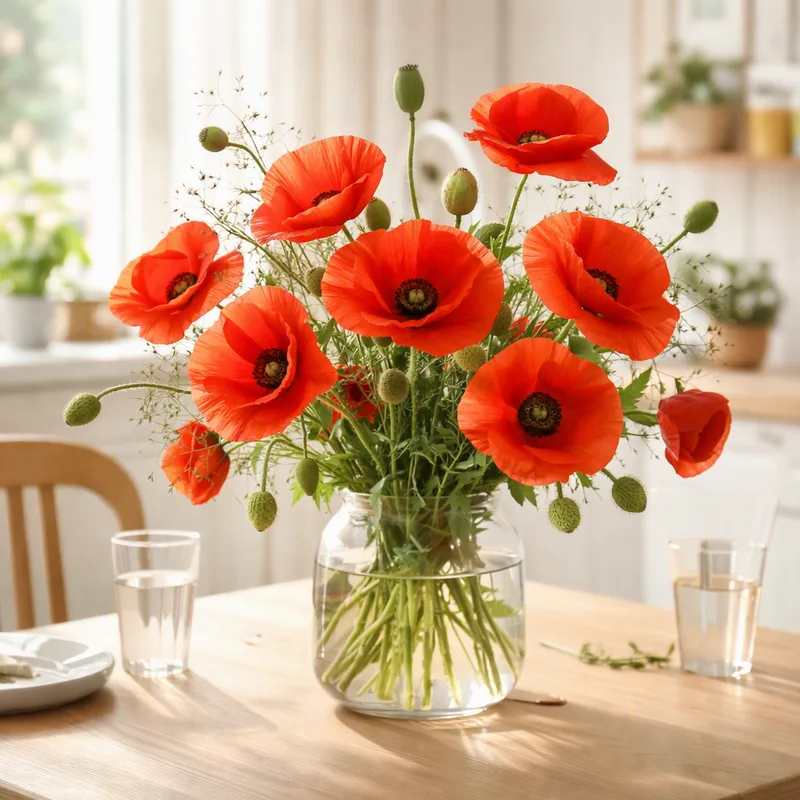
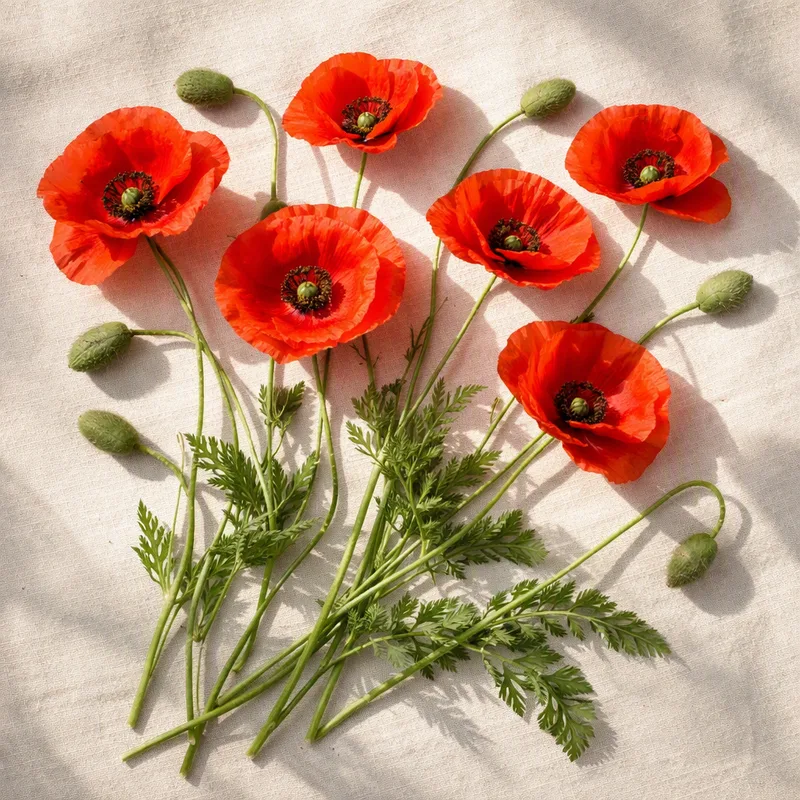
Papaver rhoeas, the corn or field poppy, is a delicate annual with thin, crumpled petals and a dark centre. It thrives in ground that has been disturbed, and that is why it flowered on shell-torn ground during the 1914-18 war. The poem "In Flanders Fields" cemented it as a symbol, and red poppies are now worn around Anzac Day on 25 April and Remembrance Day on 11 November.
Growing one in an Australian garden
A poppy is easy if you leave it alone. Scatter seed on bare, free-draining soil in full sun, rake it lightly and do not bury it, as poppy seed germinates best when exposed to light. In cool and temperate areas sow in autumn for spring flowers; in colder places such as the Tasmanian highlands, early spring works too. Poppies dislike transplanting, so sow where they will grow.
- Individual blooms are gone within a day or two, but plants keep producing buds for weeks.
- Seed capsules can scatter hundreds of seeds, and plants return year after year.
- Wikipedia describes the species as an agricultural weed in some places, so check your state's weed list before sowing in a rural area.
Poppies in a vase
Cut stems carry milky latex. Florists often sear the cut end in hot water, which helps them to drink, and even then a vase of poppies is a short-lived pleasure, typically three to five days.
Why to keep it from animals
The plant contains the mild sedative alkaloid rhoeadine, so keep it away from children, pets and livestock. For a person who has eaten any, the Poisons Information Centre can advise on 13 11 26.