The shade that gave the colour its name
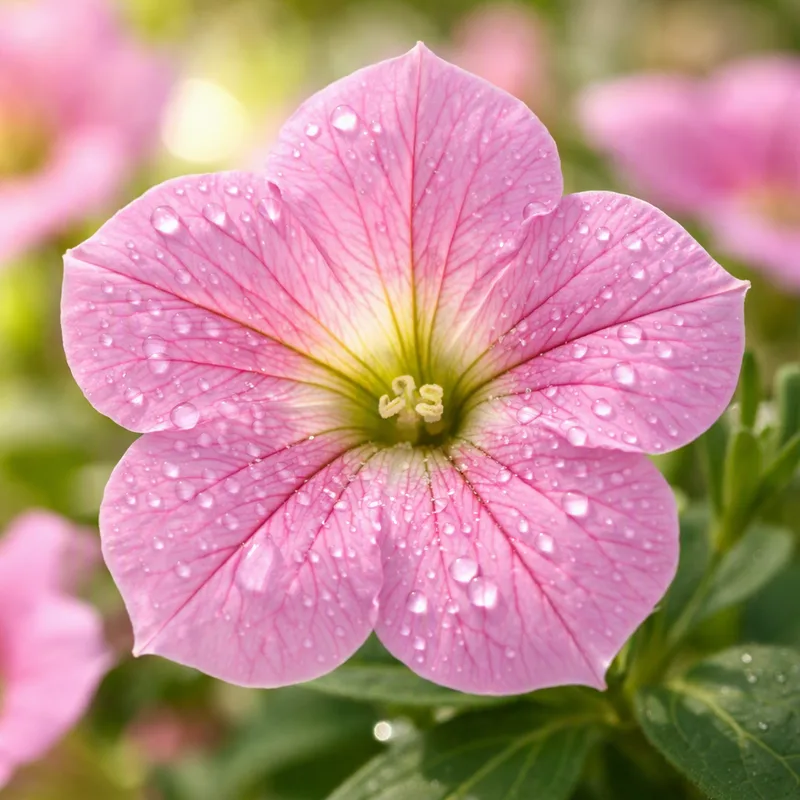
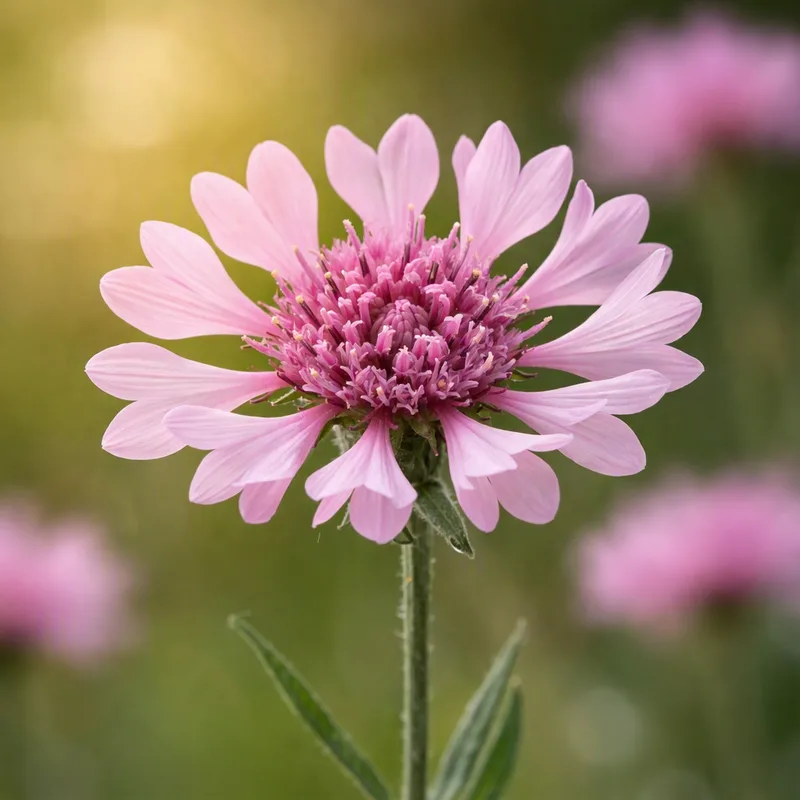
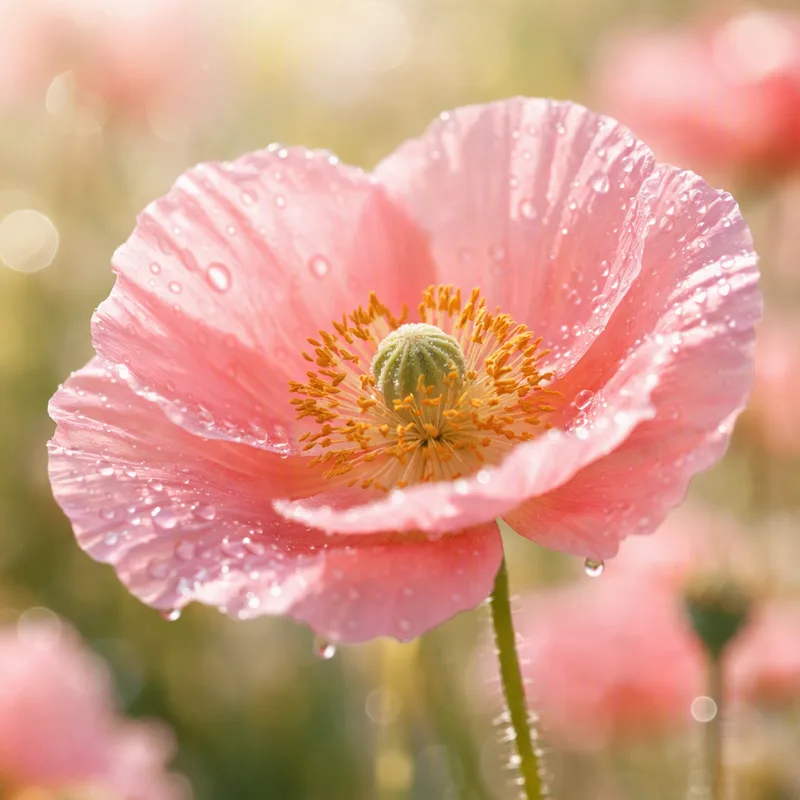
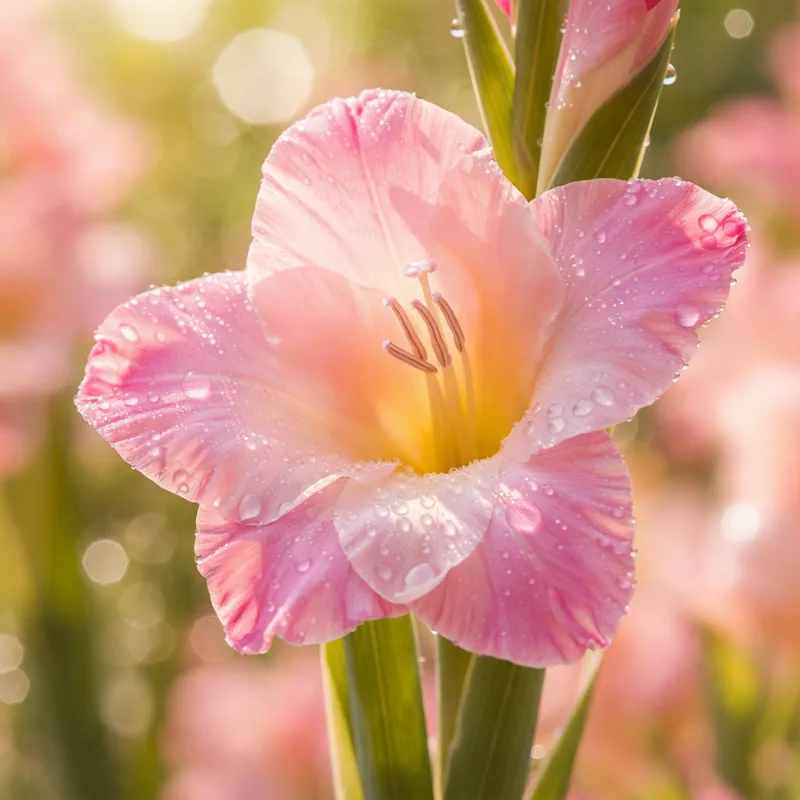
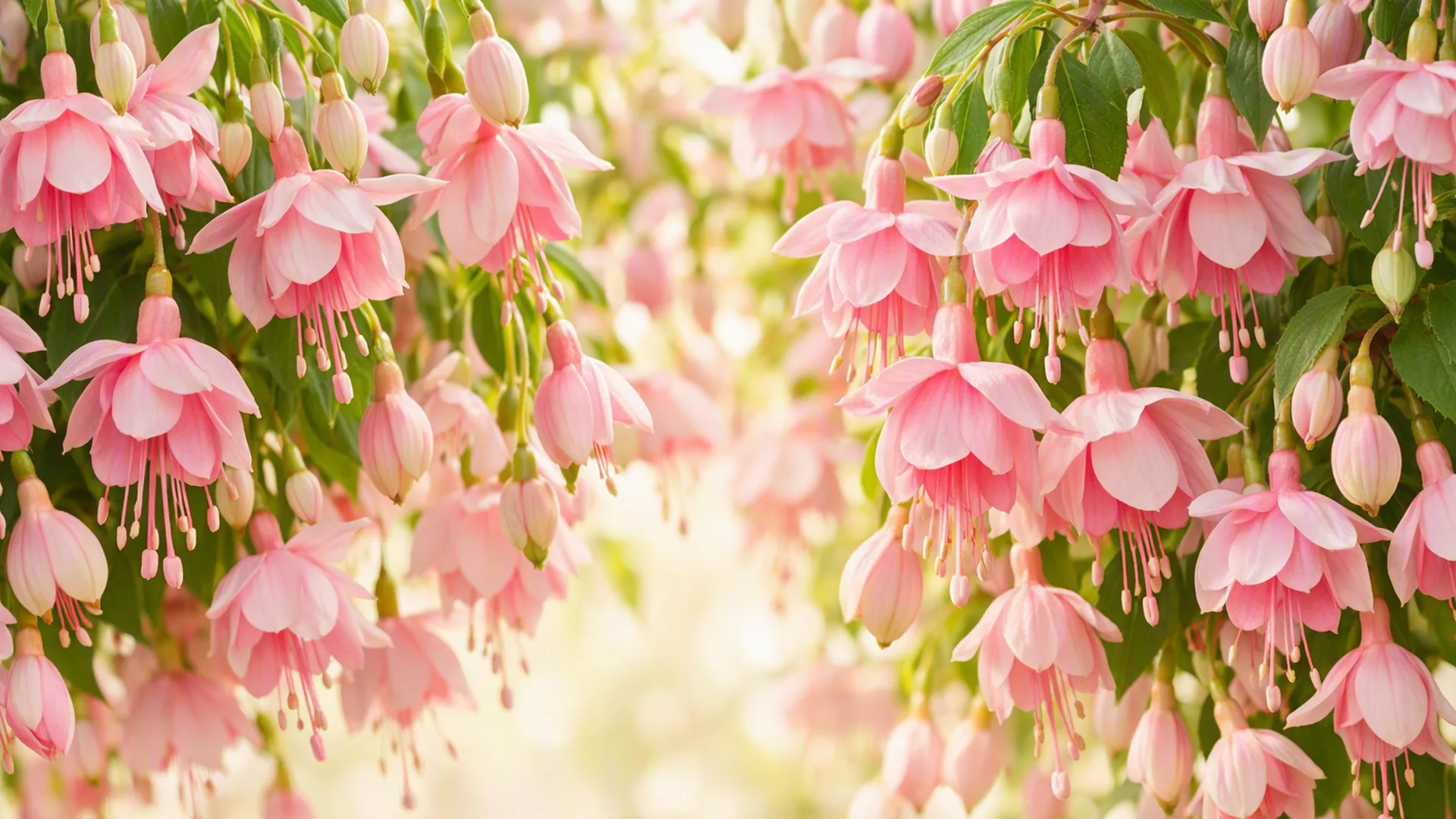
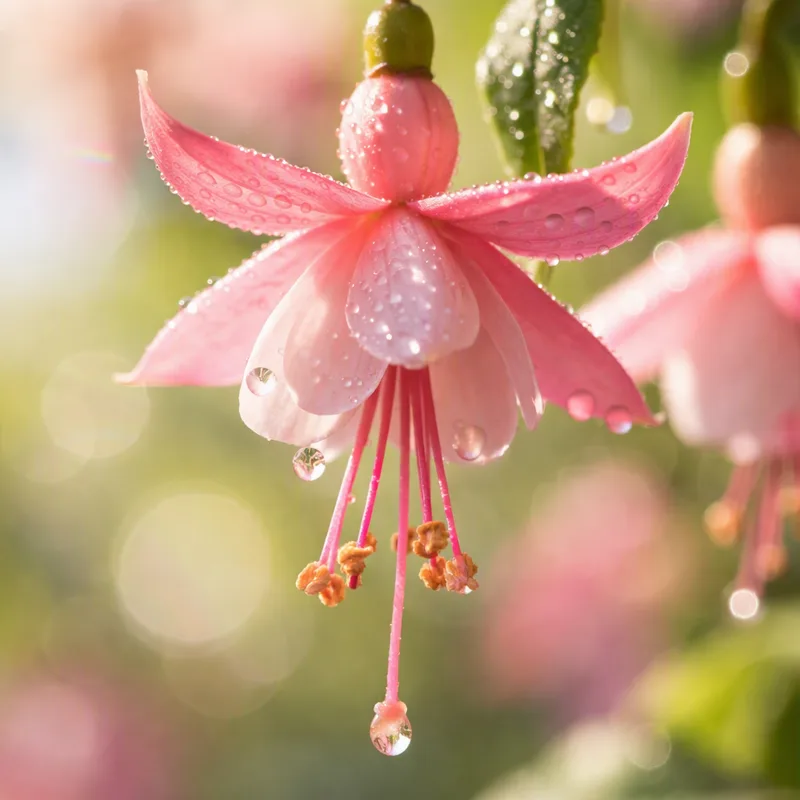
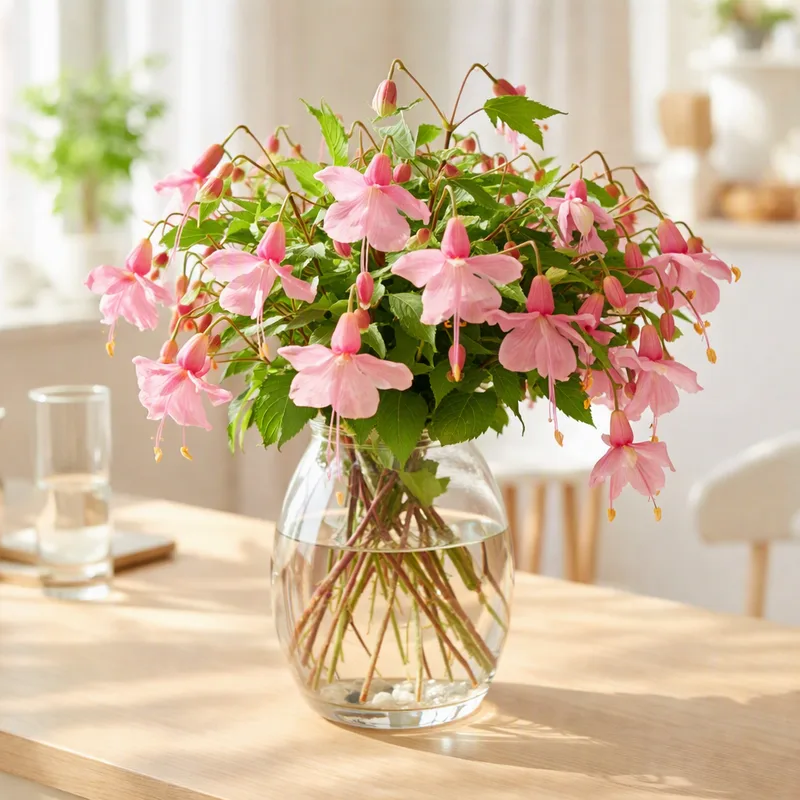
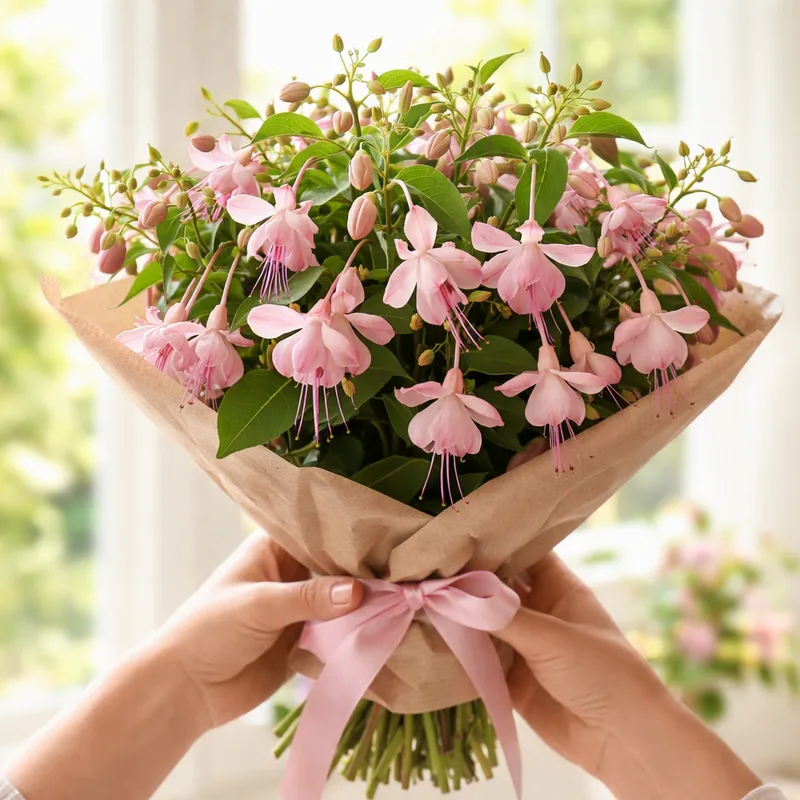
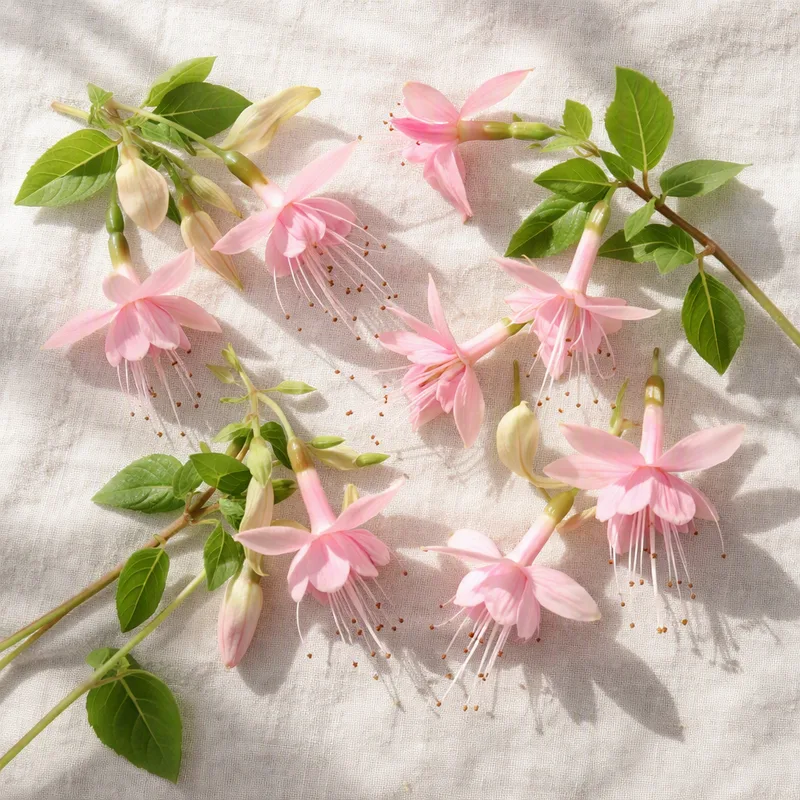
When people say "fuchsia pink" or "bright pink fuchsia", they usually mean a strong purplish pink, a mix of rose and violet. The flower was there first, and the dye, fabric and web colour names came afterwards. On the plant itself, pink covers a wide spectrum, from a soft shell pink to hot rose. Some pink varieties have flowers all in one tone, while others, particularly in the many hybrids, pair pink sepals with a darker skirt.
Singles and doubles
Fuchsia flowers come in single, semi-double and fully double forms. Singles have four petals in the skirt, while doubles can have many, giving the full, ruffled look of a ballerina's skirt. Doubles are showier but heavier, so they hang lower and are more easily damaged by rain or wind.
Care in a pot or basket
A pink fuchsia is mostly a potted plant in Australian gardens.
- Hang or stand it in a spot with morning sun and shade from the hot afternoon sun.
- Keep the mix moist, never soggy, and water more in summer.
- Pinch or lightly trim the tips in spring to encourage branching.
- After flowering, remove faded blooms and any seed pods if you want more flowers.
In humid Sydney and Brisbane, watch for aphids and whitefly on the new growth. Hosing the leaves and picking off infested tips is often enough.
Fruit after flowering
Fuchsia is listed by the ASPCA as non-toxic to cats, dogs and horses.