
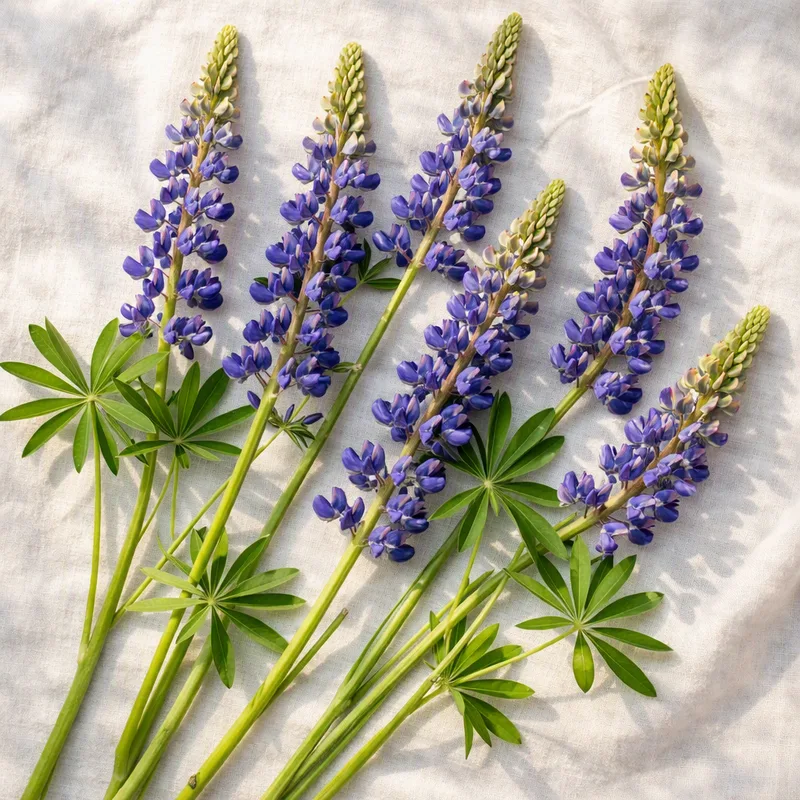
Tall spires for cool gardens
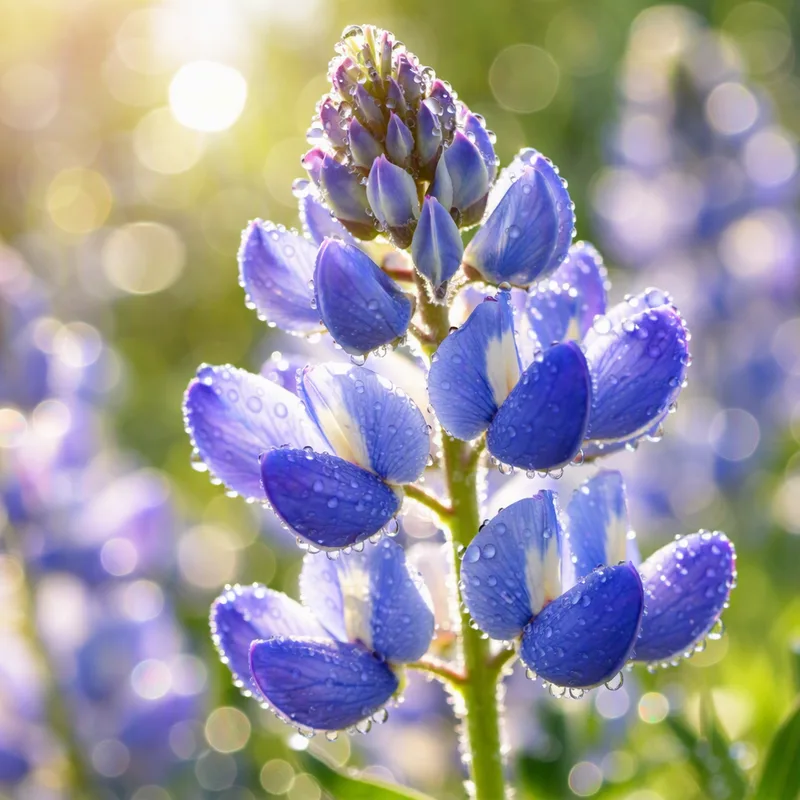
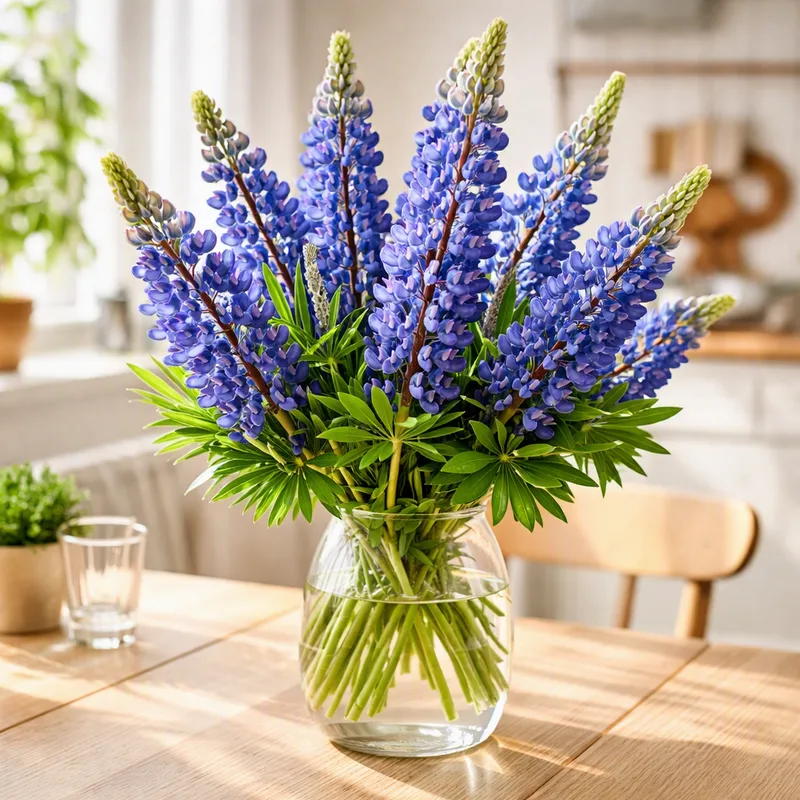
Lupinus polyphyllus is a robust perennial with fingered leaves and long spikes of pea-like flowers. Wild plants lean towards blue and violet, and the rest of the garden palette comes from breeding. In the mid-twentieth century the Russell hybrids pushed the range into pinks, reds, oranges and bicolours.
Where they work in Australia
Lupins want cool nights and mild summers. That puts Tasmania, the Victorian ranges, the Southern Highlands, the Blue Mountains and the Adelaide Hills among the best places. In Sydney, Brisbane and Perth they often last a single season, because heat and humidity shorten their life. They are not suited to the tropical north.
- Sow seed in autumn after nicking or soaking the hard coat.
- Choose sun and a free-draining, slightly acidic soil.
- As legumes, lupins fix their own nitrogen, so avoid heavy feeding.
- Stake tall spikes in exposed gardens.
- Cut spent flower spikes to encourage a second flush.
Not the same as farm lupins
Lupins are also a farm crop. Western Australia produces about 85 per cent of the world's lupin seed, mostly from narrow-leafed types bred for low alkaloid levels. Garden lupins are different and are not grown for food.
Spread and safety
Lupins seed freely, so check your state's weed information before planting near bushland or a creek. Garden lupins carry toxic alkaloids, especially in the seeds and pods. Keep children and animals away from pods. For possible poisoning, call the Poisons Information Line on 13 11 26.