Where the moth orchid really comes from
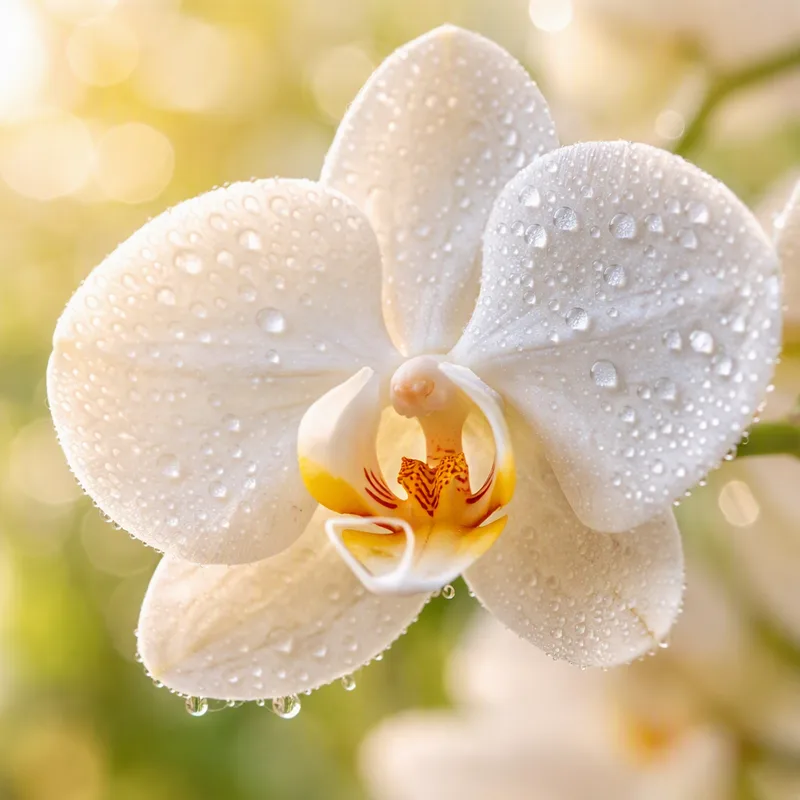
Phalaenopsis is a genus of about seventy species, and one of them, Phalaenopsis rosenstromii, grows wild only in Queensland. The rest live from India and southern China through Indonesia and the Philippines to New Guinea. In the wild they sit on tree limbs or rock faces, which is why the thick roots are built to grip and to breathe.
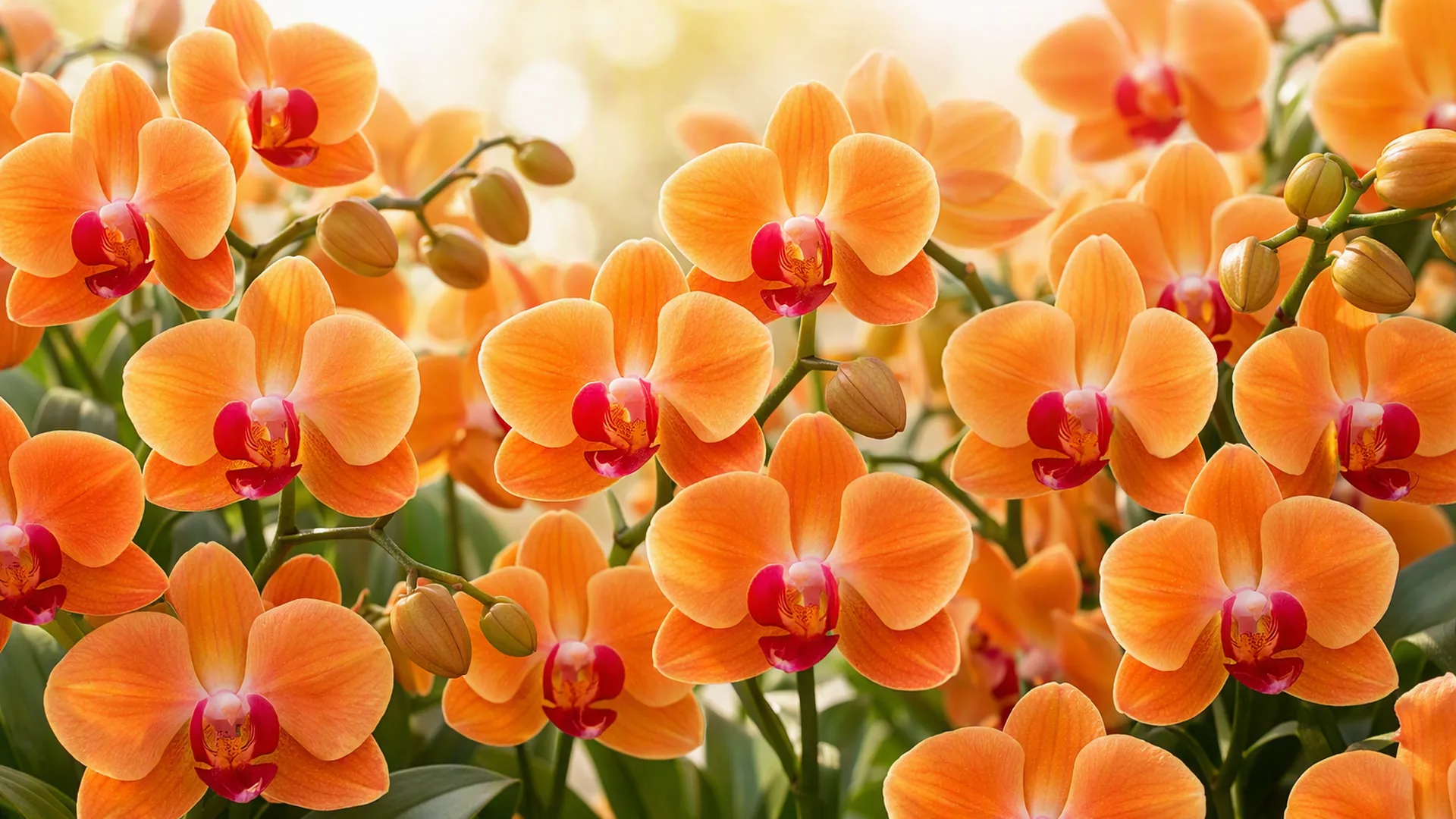
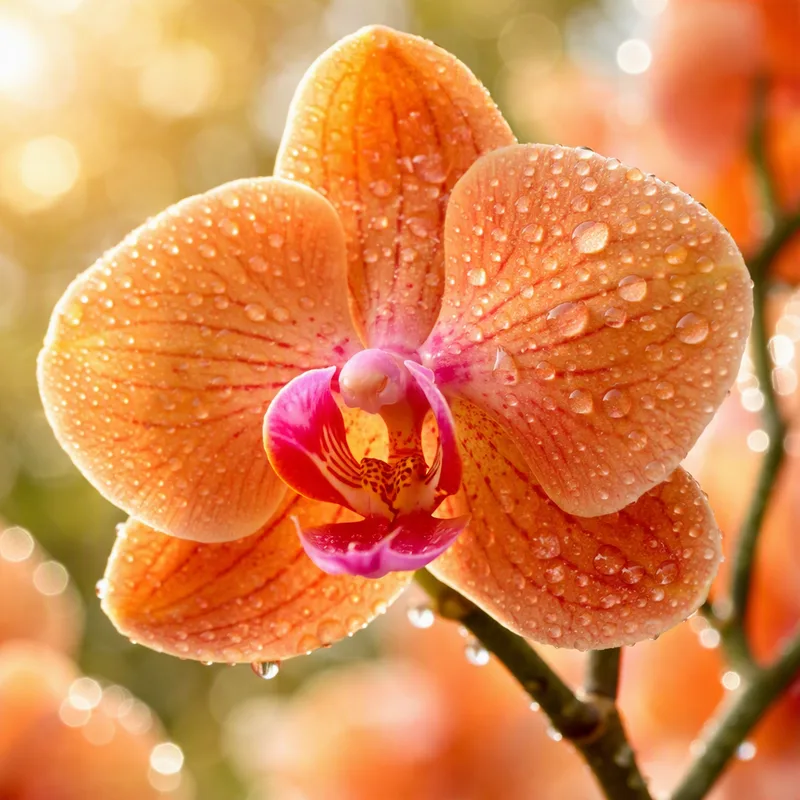
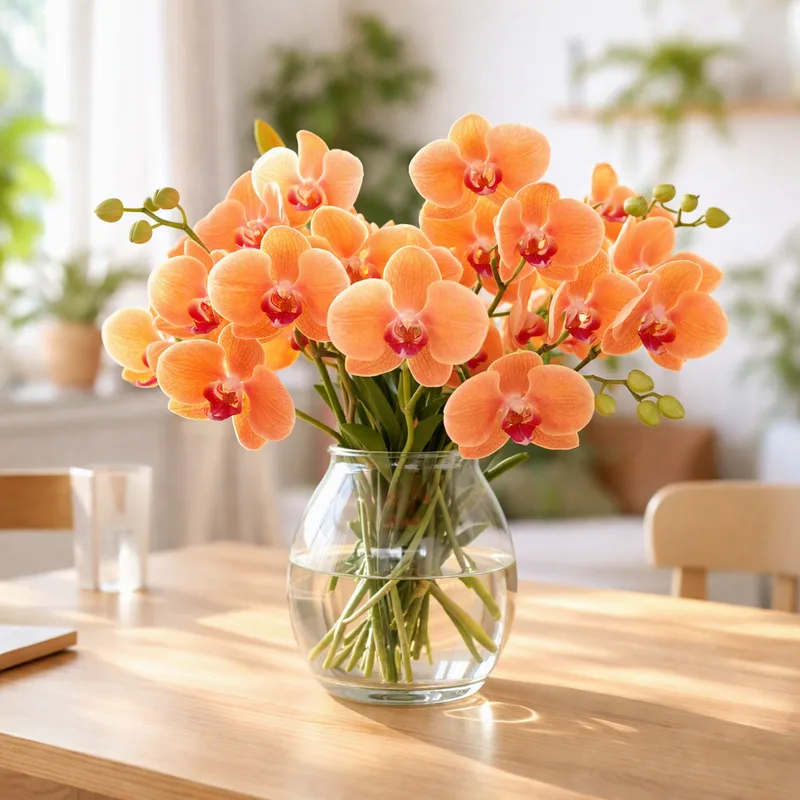
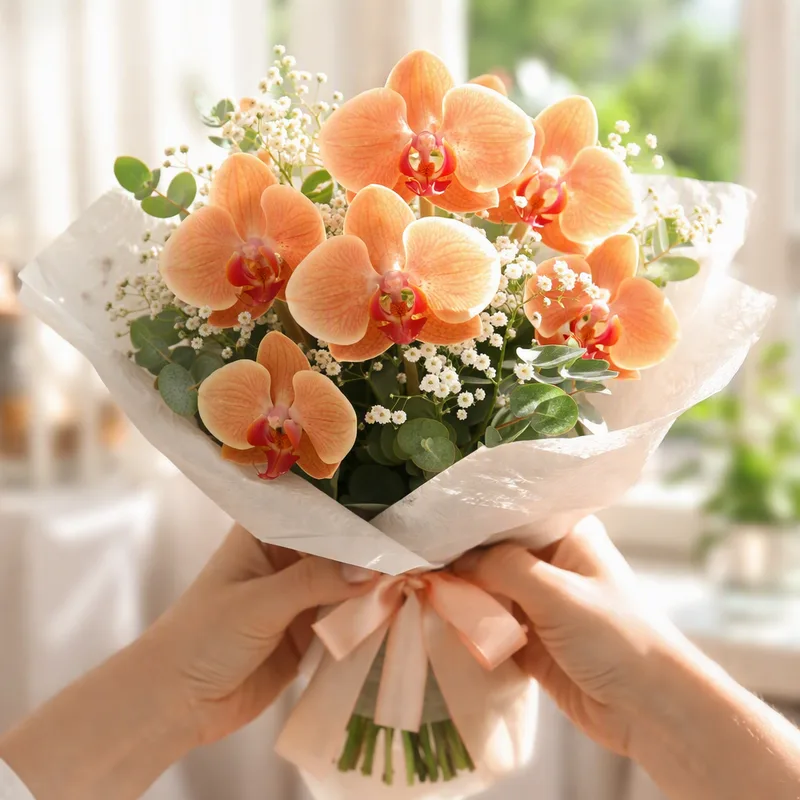
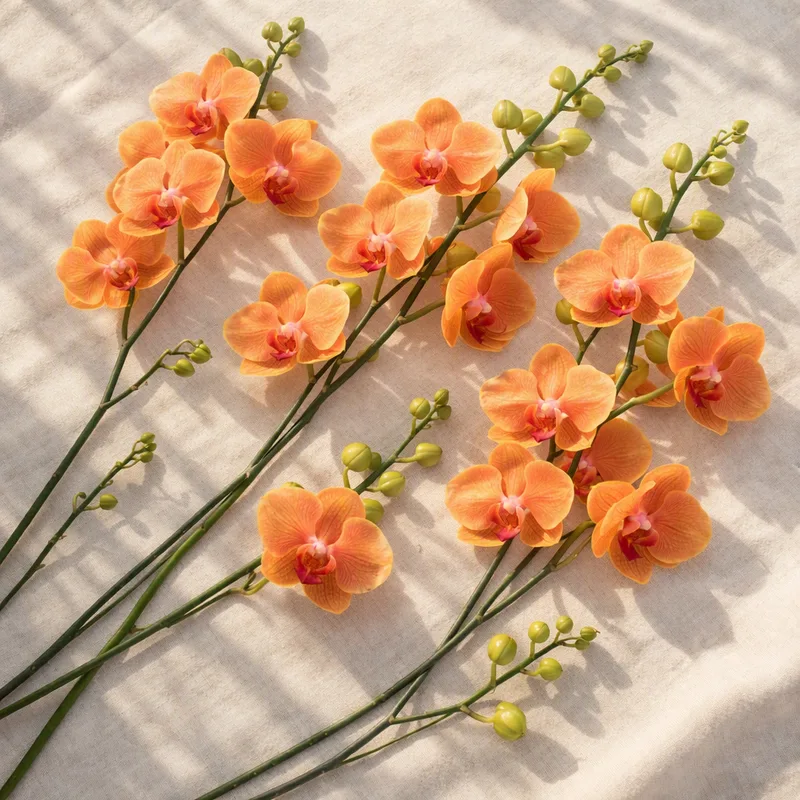
Almost every plant sold in a pot is a hybrid, bred over many generations for long-lasting flowers. Orange is the hardest colour to find. Most so-called orange plants are really apricot, peach or coral, sometimes with a darker lip, so judge the colour on the plant in front of you rather than the tag.
A routine that suits Australian homes
- Give bright, filtered light. An east-facing window works well; strong western glass in a Perth or Adelaide summer can scorch the leaves in an afternoon.
- Keep the plant out of cold draughts. Canberra and Hobart winters are harder on it than Sydney or Brisbane ones.
- Water when the bark mix has dried and the roots in a clear pot turn silvery. Tip out any water left in the outer pot.
- Use bark made for orchids, not ordinary potting mix.
When moth orchid finishes blooming
Flowers last for weeks, opening along the spike in turn. Once they finish, cut a green spike back to just above a node, or cut a brown one at the base. A run of cooler nights in autumn often triggers a fresh spike, and in warm Darwin or Cairns homes a plant may need a cooler spot to do it.
Orange and its meaning
Orange traditionally stands for warmth, energy and enthusiasm, which makes it a cheerful gift for a new job or a housewarming. Moth orchids are not listed as a worry for cats and dogs, though chewed leaves can still upset a stomach.