Mountain succulents
Sempervivum is a genus of about 40 species in the stonecrop family, found from Morocco to Iran, with their stronghold in mountain ranges such as the Alps and the Carpathians. Their thick leaves store water, which lets them live on sunny rocks and stony ground. The name means always alive, and the plants are also called hen and chicks, a name shared with other succulents.
Houseleek or echeveria?
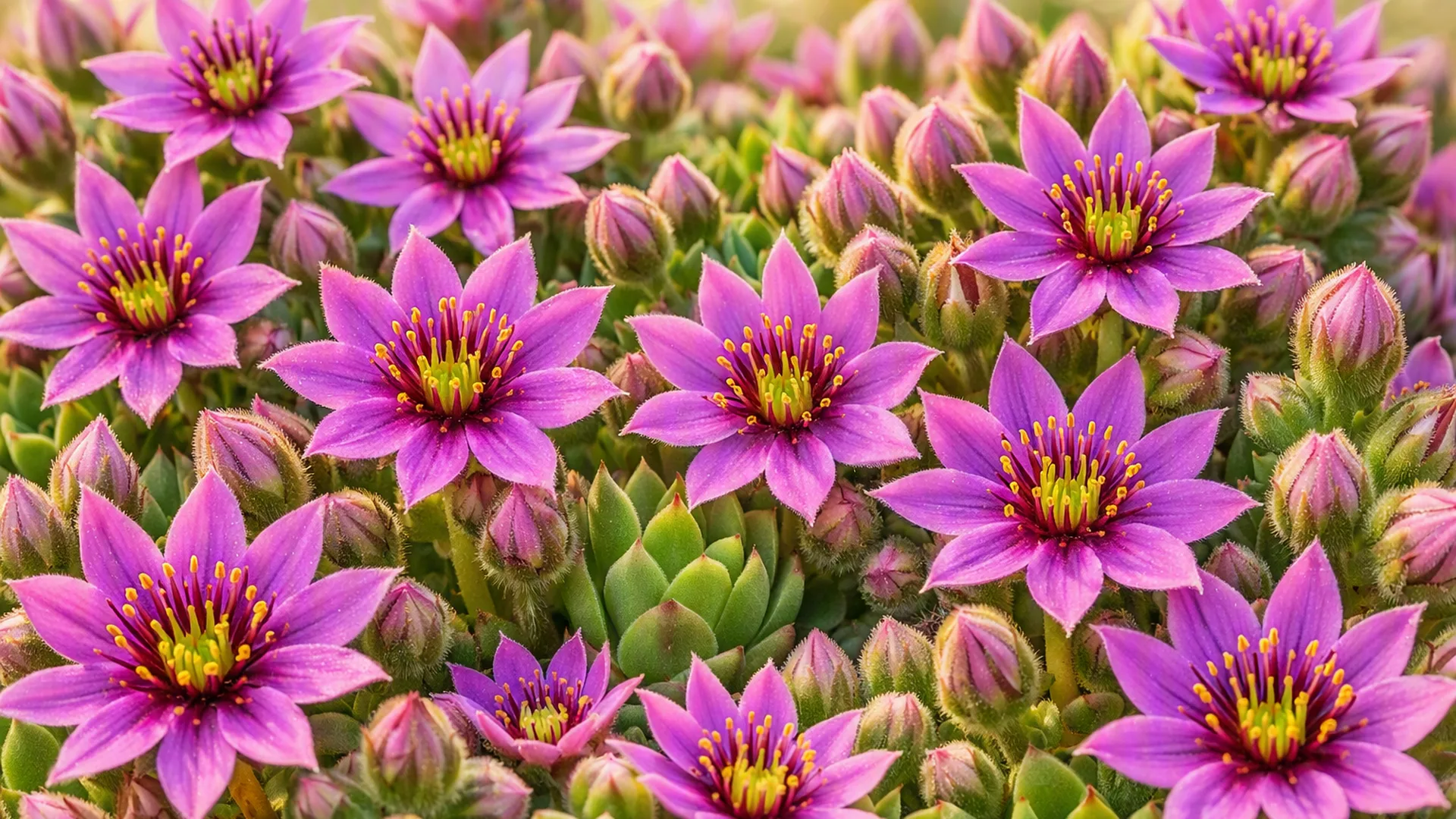
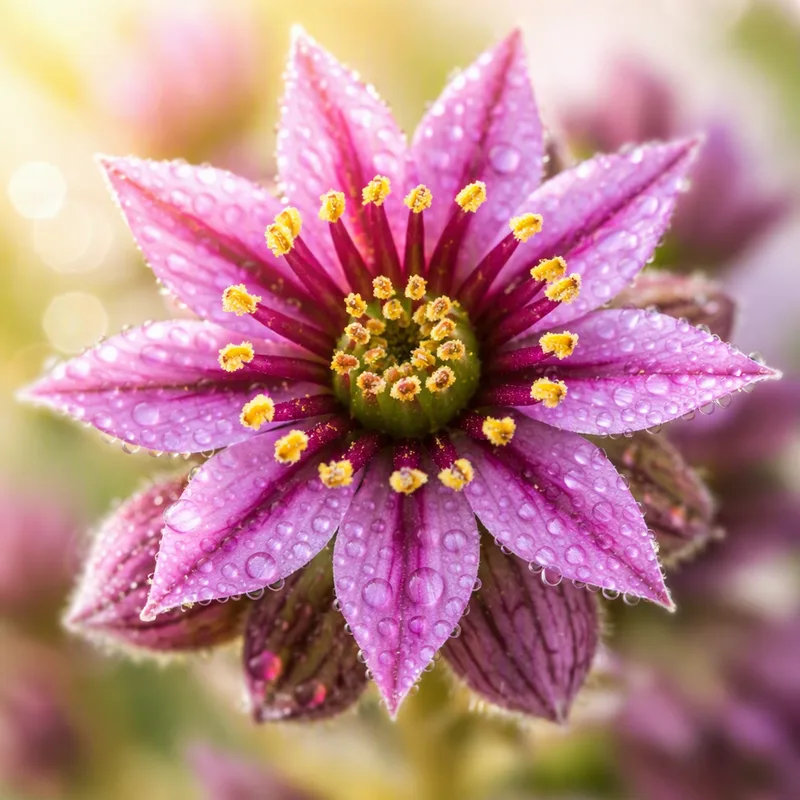
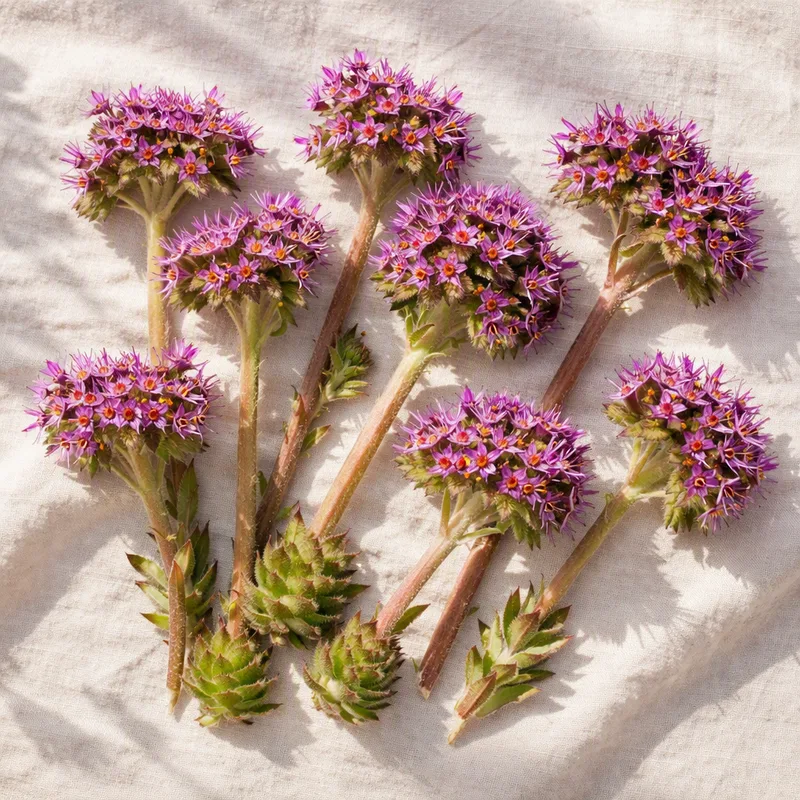
Many Australian gardeners know the hen and chicks look from echeverias, which come from Mexico and Central America. Houseleeks are different. They are hardier in cold and fussier about heat and humidity. A true houseleek rosette is usually flushed with purple-red at the tips and sits tight to the ground. The summer flower stalk carries starry blooms in shades of red, yellow or pink, and seldom in white.
Where they succeed
- Cool and dry climates suit them best: Canberra, the Tablelands, Hobart, inland Victoria and the Adelaide Hills.
- In humid places such as Brisbane or Sydney's coast, keep them in pots with gritty mix and shelter from summer downpours.
- In the tropics, houseleeks are not a sensible choice.
Plant them in very free-draining soil in full sun, water sparingly and expect each rosette to flower once and then die, leaving the offsets to carry on the clump. Pull the offsets off in spring to make new plants.
Chewed succulents
Sempervivum does not appear on the ASPCA toxic list, but chewing any succulent can upset an animal's stomach, so ask a vet if a pet has eaten some.