A tower for cool gardens
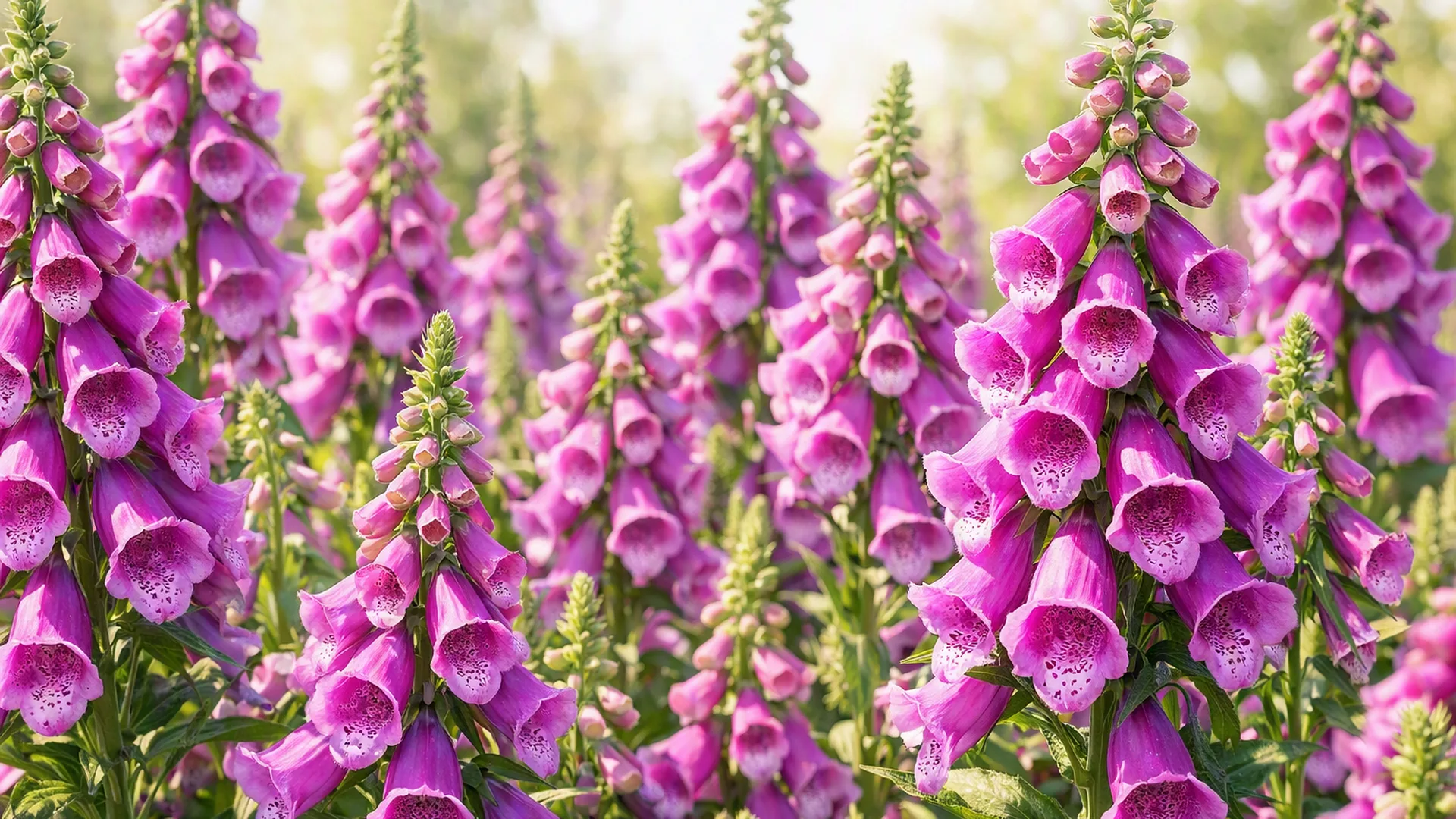
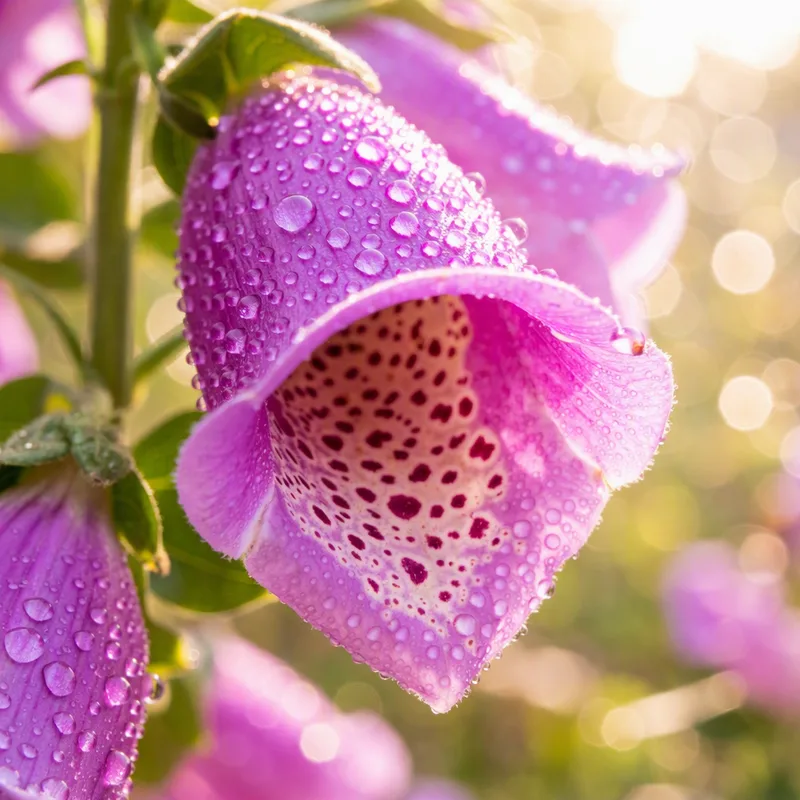
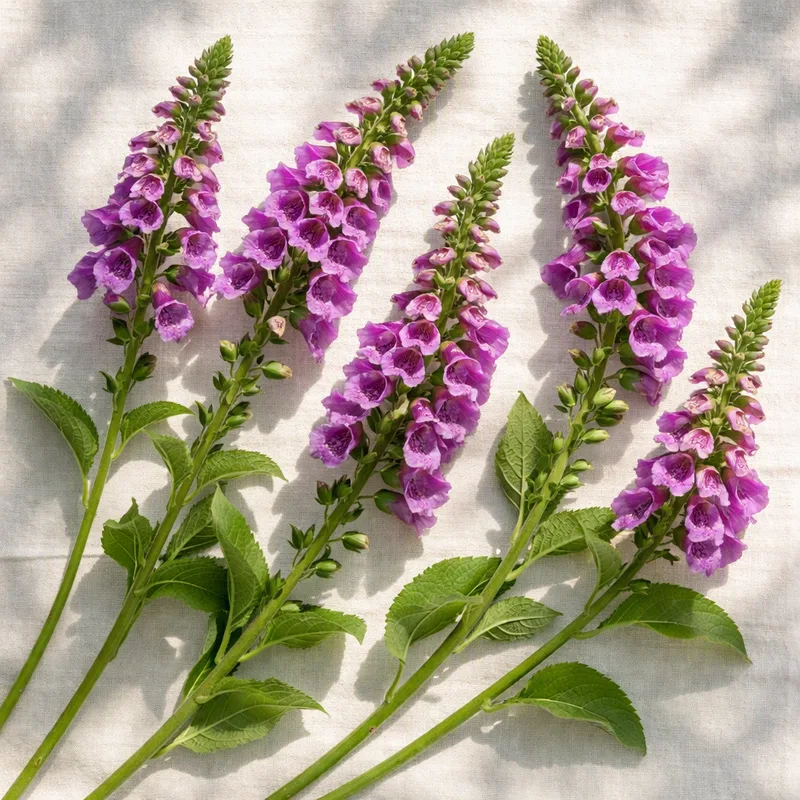
Digitalis purpurea is native to western Europe and north-west Africa, and the classic form carries purple-pink bells spotted inside. It is usually a biennial: the first year gives a rosette of soft grey-green leaves, and the second year sends up a flower spire, commonly 90 to 150 centimetres tall. After that most plants die, though they seed freely, so a patch tends to renew itself.
Where it works in Australia
Foxgloves want cool nights, moisture and partial shade. That makes them at home in Melbourne's suburbs, the Dandenongs, Tasmania, Canberra and the Blue Mountains, and in the southern highlands, where flowers open from late spring into early summer (roughly November to January). They struggle in hot, dry inland areas and in the tropics. Self-sown seedlings can also be a nuisance: Wikipedia records the species as an established weed at several places in Tasmania, so check your state's weed list before letting plants run wild.
- Sow seed on the surface in summer or early autumn.
- Plant in humus-rich soil with morning sun.
- Cut the main spike after flowering to encourage side shoots.
Foxglove bouquets
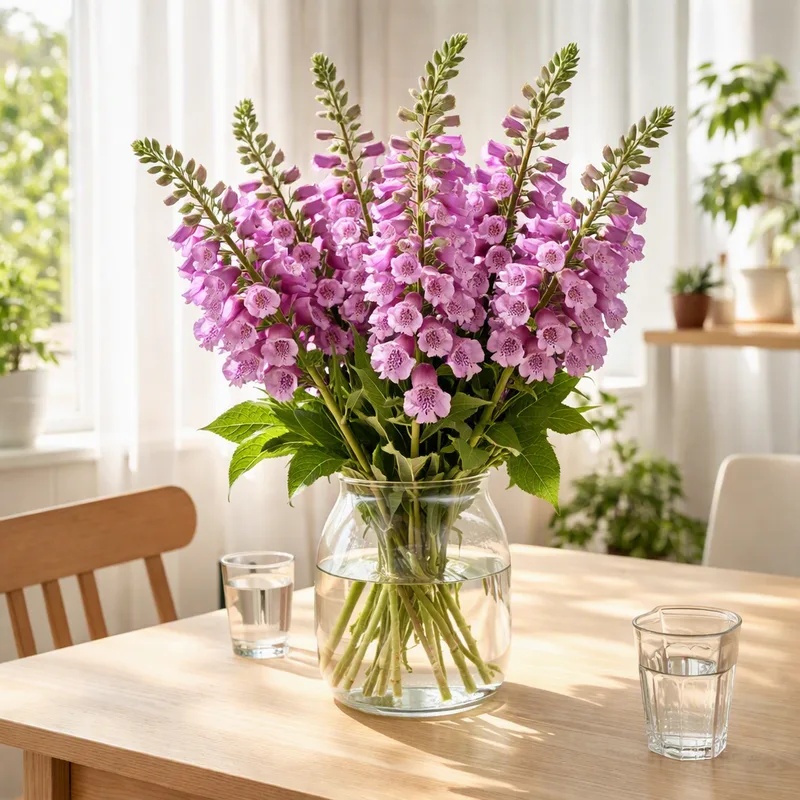
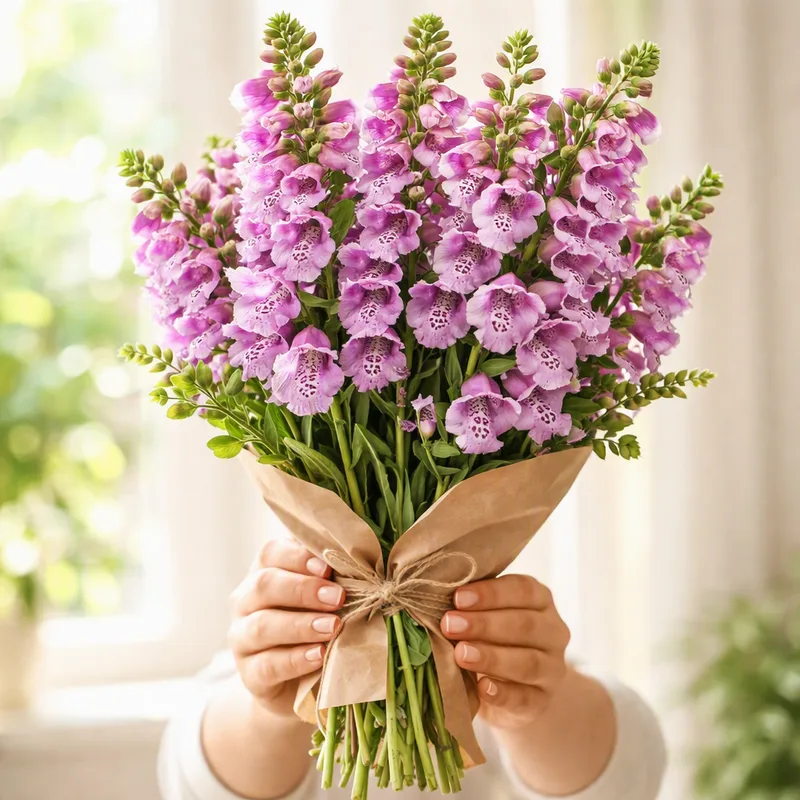
Cut spikes work in a vase for about five to eight days. Wear gloves when picking, and wash the vase afterwards, because sap leaches into the water.
Why it is dangerous
All parts contain cardiac glycosides, the family of substances from which the heart medicine digoxin was developed. The ASPCA rates foxglove as toxic for dogs, cats and horses. Should someone swallow part of the plant, ring the Poisons Information Centre on 13 11 26 straight away; for an animal, ring a vet.