A pale variant
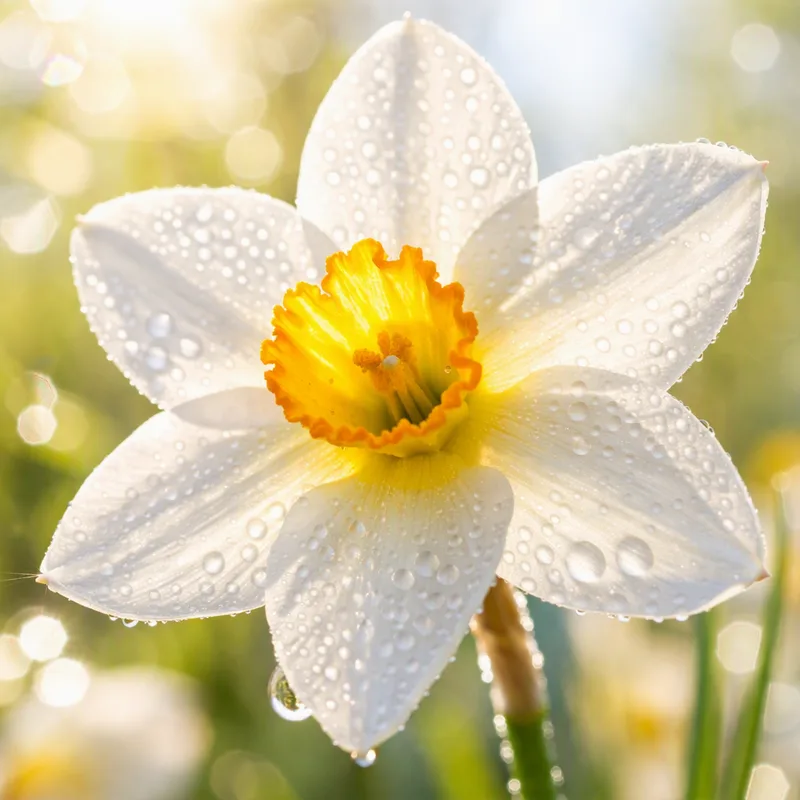
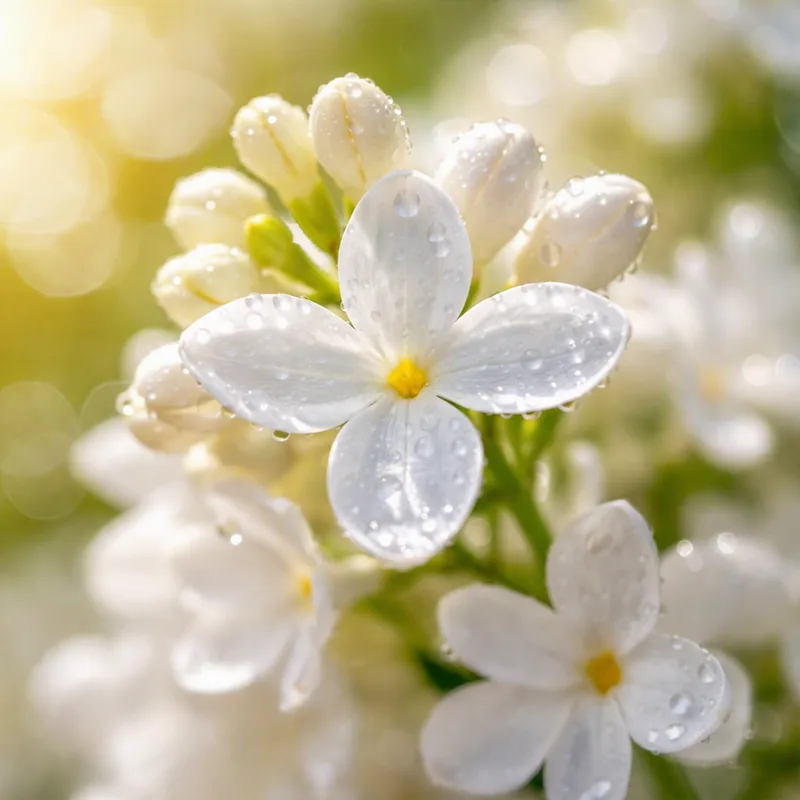
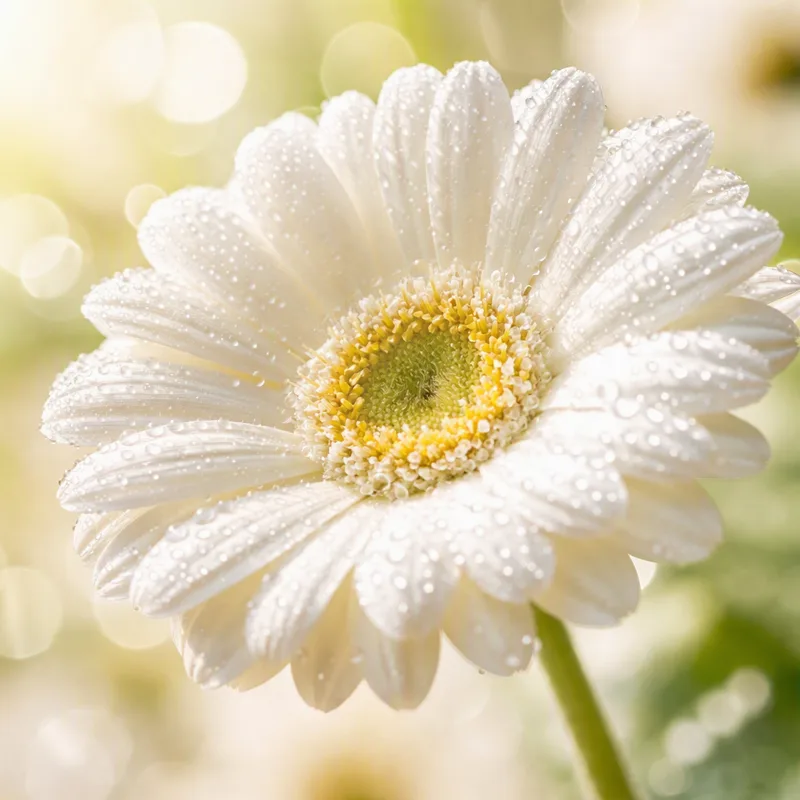
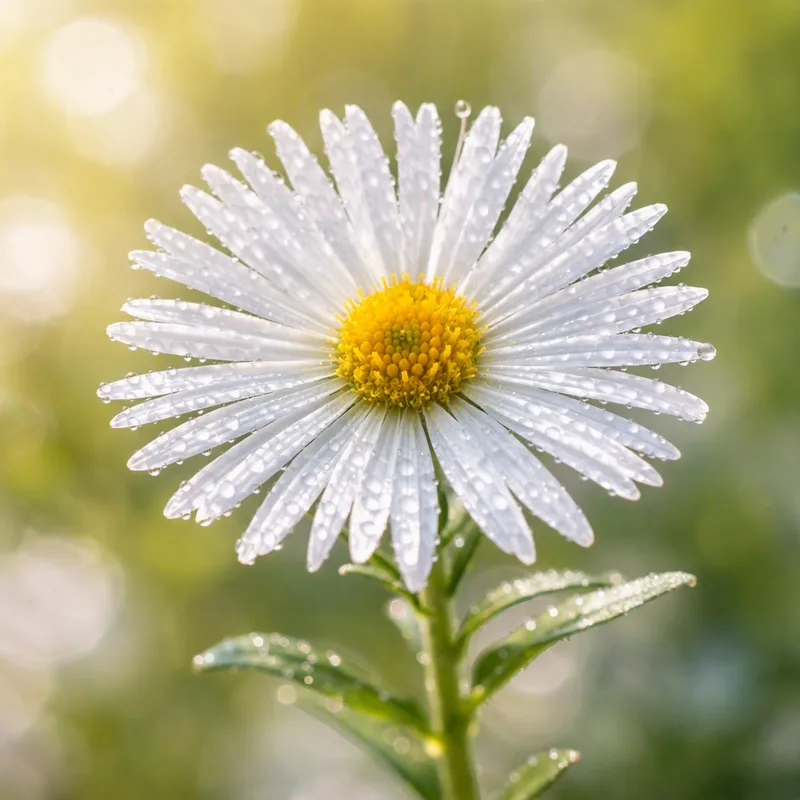
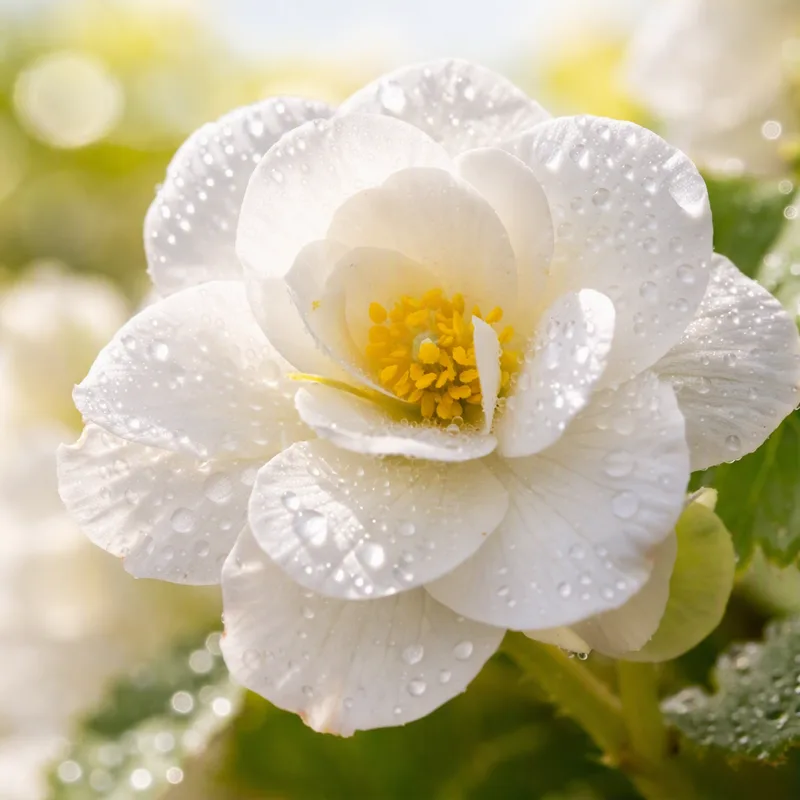
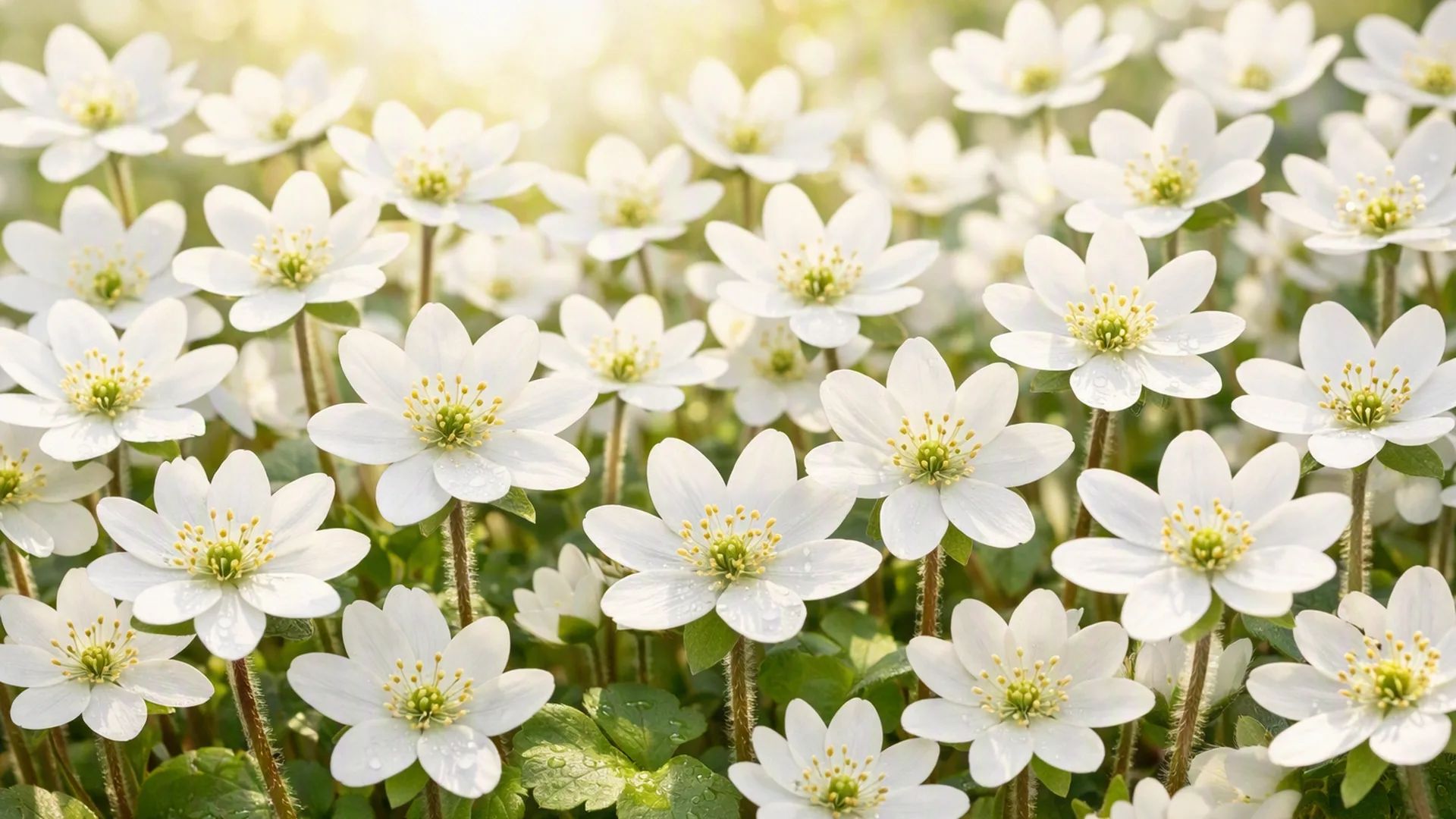
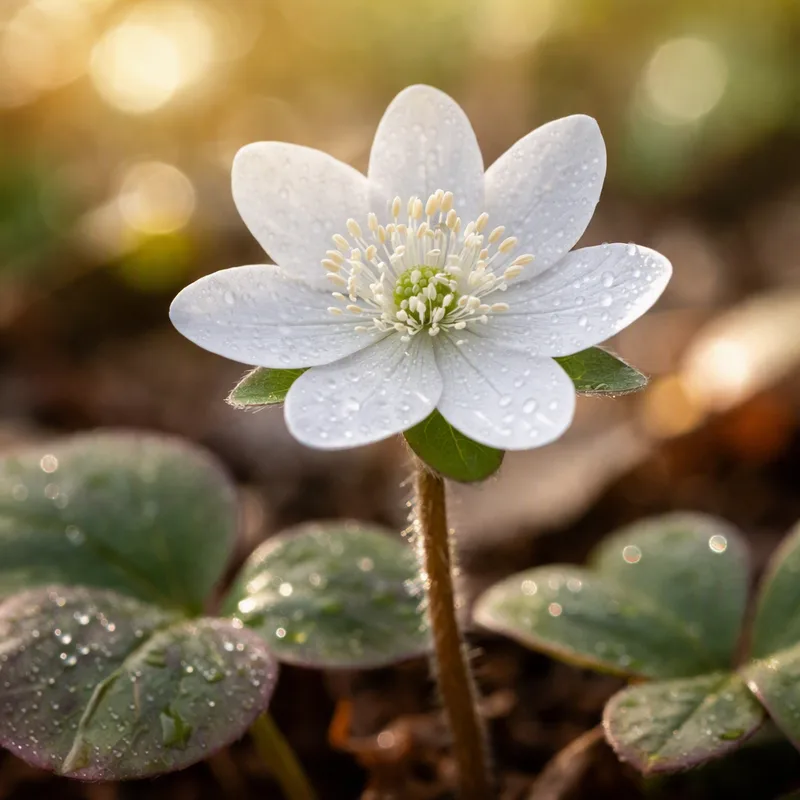
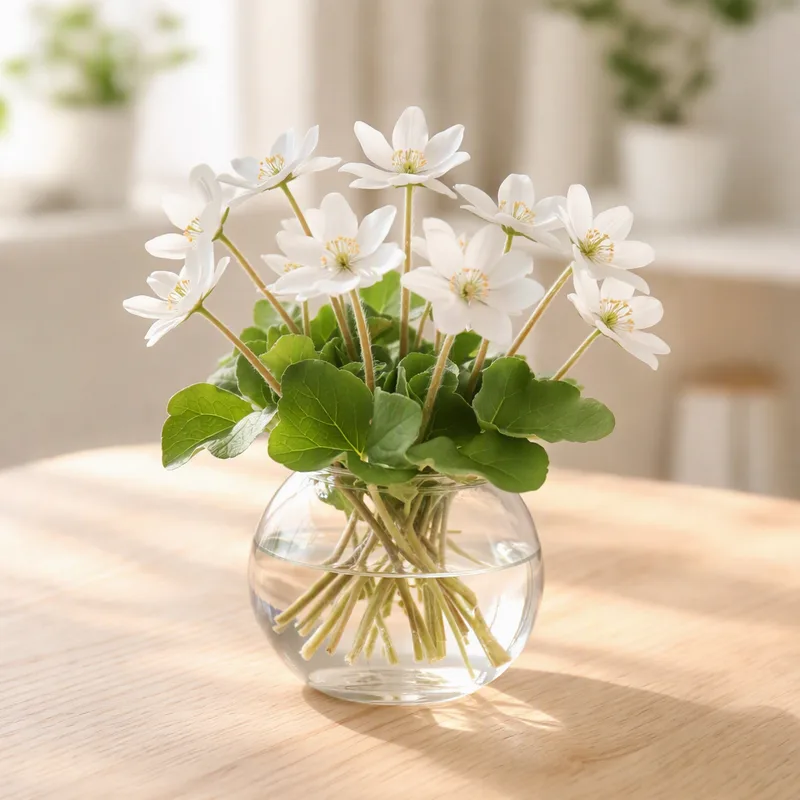
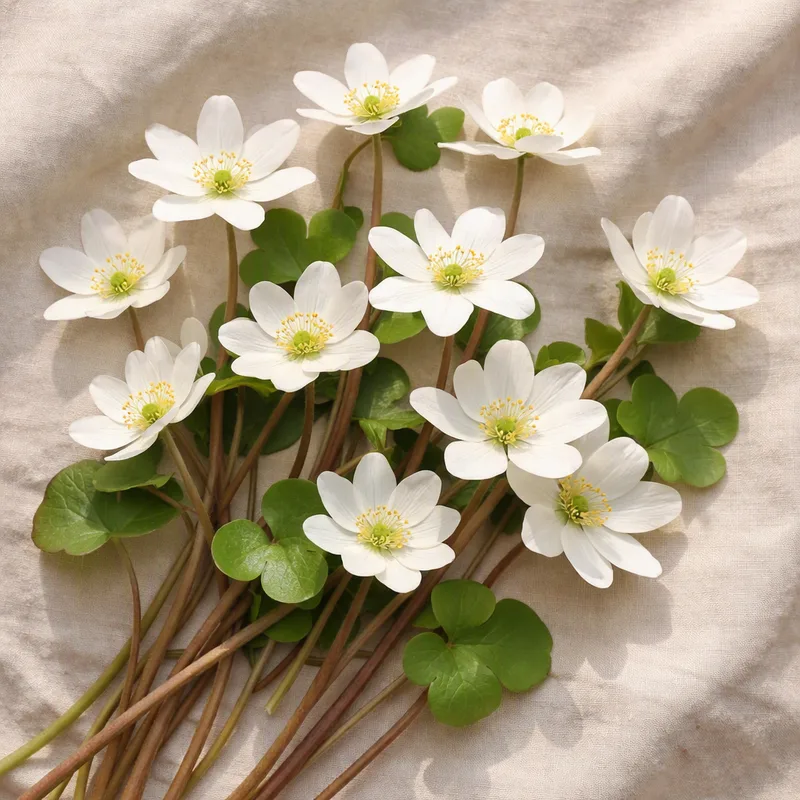
Most wild hepatica flowers are blue or violet, but white forms turn up in the wild and in cultivation. They are the same species, Hepatica nobilis, with the same neat, six to ten petal-like sepals and a boss of pale stamens in the centre. In a white form the stamens often look prominent because there is no colour behind them.
Which plant is which?
Several hepaticas are sold, and the names can be confusing. Hepatica nobilis has rounded lobes on the leaf; Hepatica transsilvanica has larger flowers; and Hepatica acutiloba, a North American species, has pointed lobes. Buying from a specialist grower usually gives a clearer label than buying a generic pot.
Where it will settle
White hepatica prefers a cool, shaded bed under deciduous trees. Think of the conditions of a beech wood.
- Plant in humus-rich, moist but drained soil.
- Mulch with leaf litter and avoid disturbing the roots.
- Protect from hot afternoon sun and drying wind.
- Be patient, because the plant is slow to establish.
In Australia, those conditions are met mainly in Tasmania, the high country and the cooler parts of Victoria. In warmer places, it is not worth trying. It also is not a cut flower.
Message in the language of flowers
In the language of flowers, hepatica traditionally stands for confidence and trust, and white forms suit a quiet, simple message.
Gloves advisable
Hepatica is a mild irritant when fresh. Wear gloves when dividing the plant, and keep it from pets.