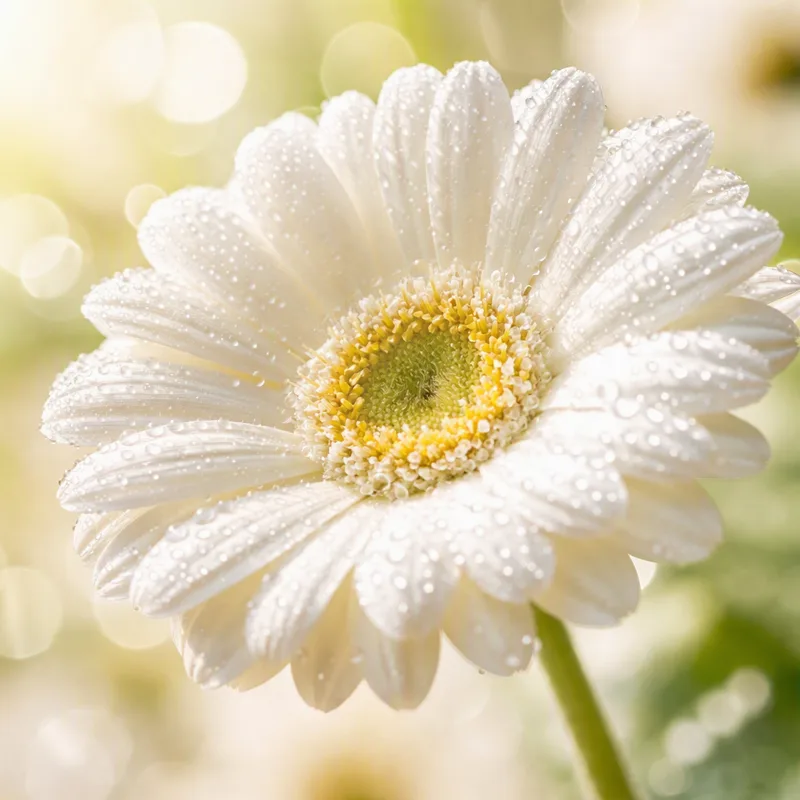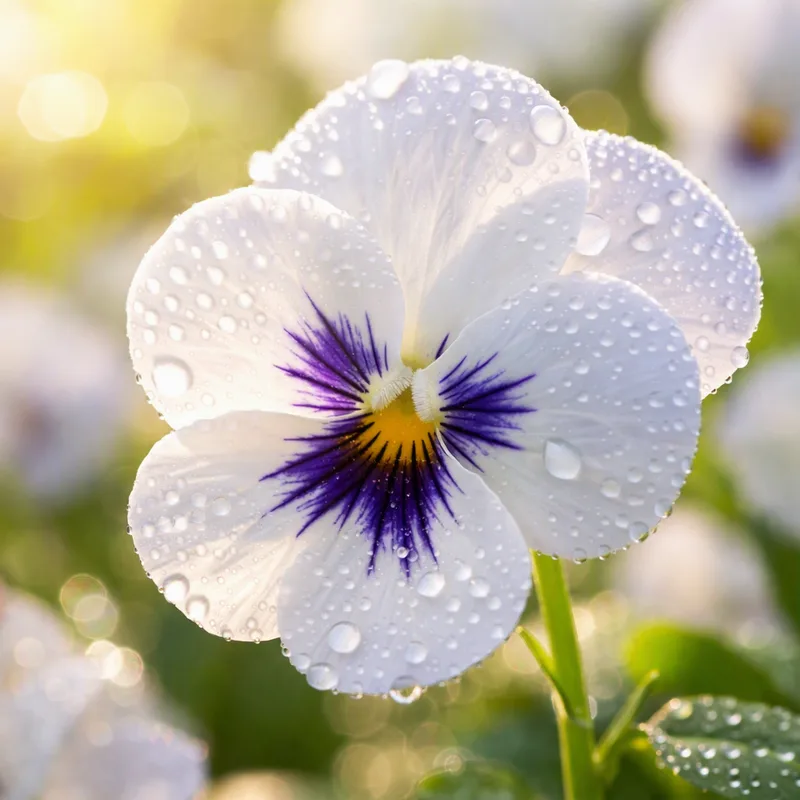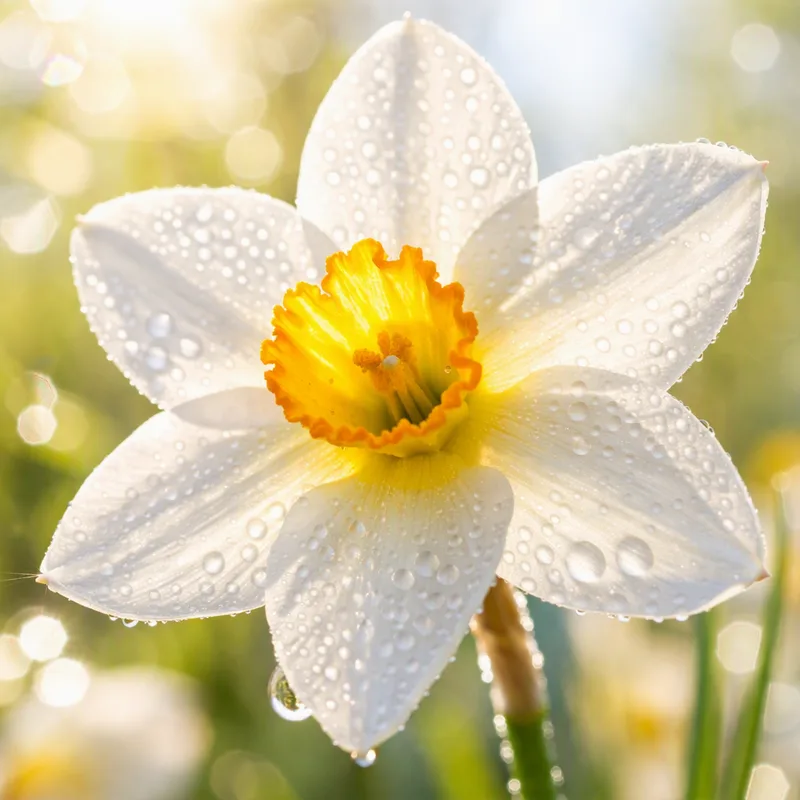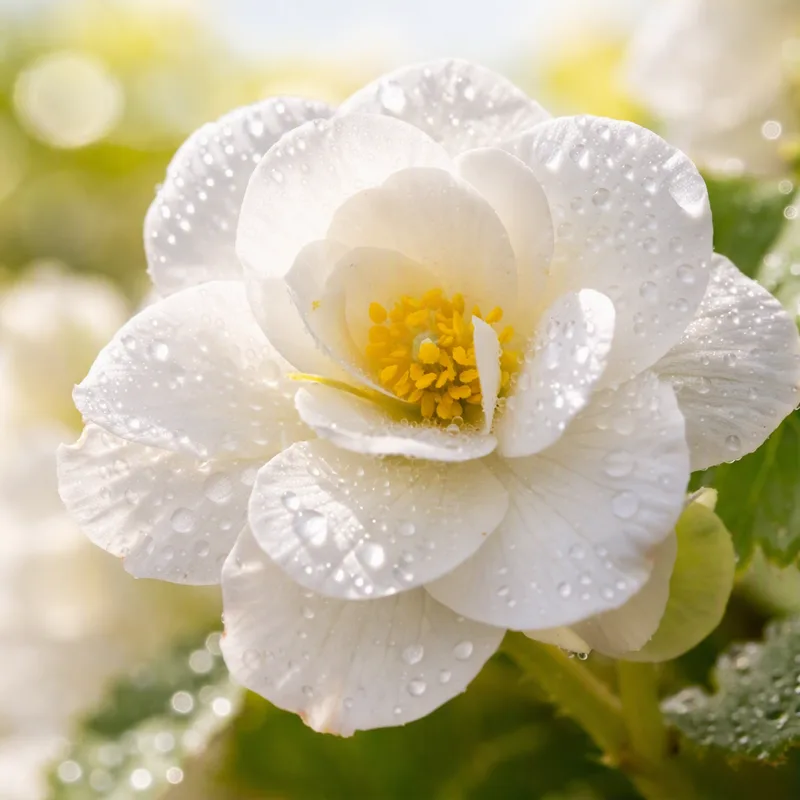
Where white asters come from
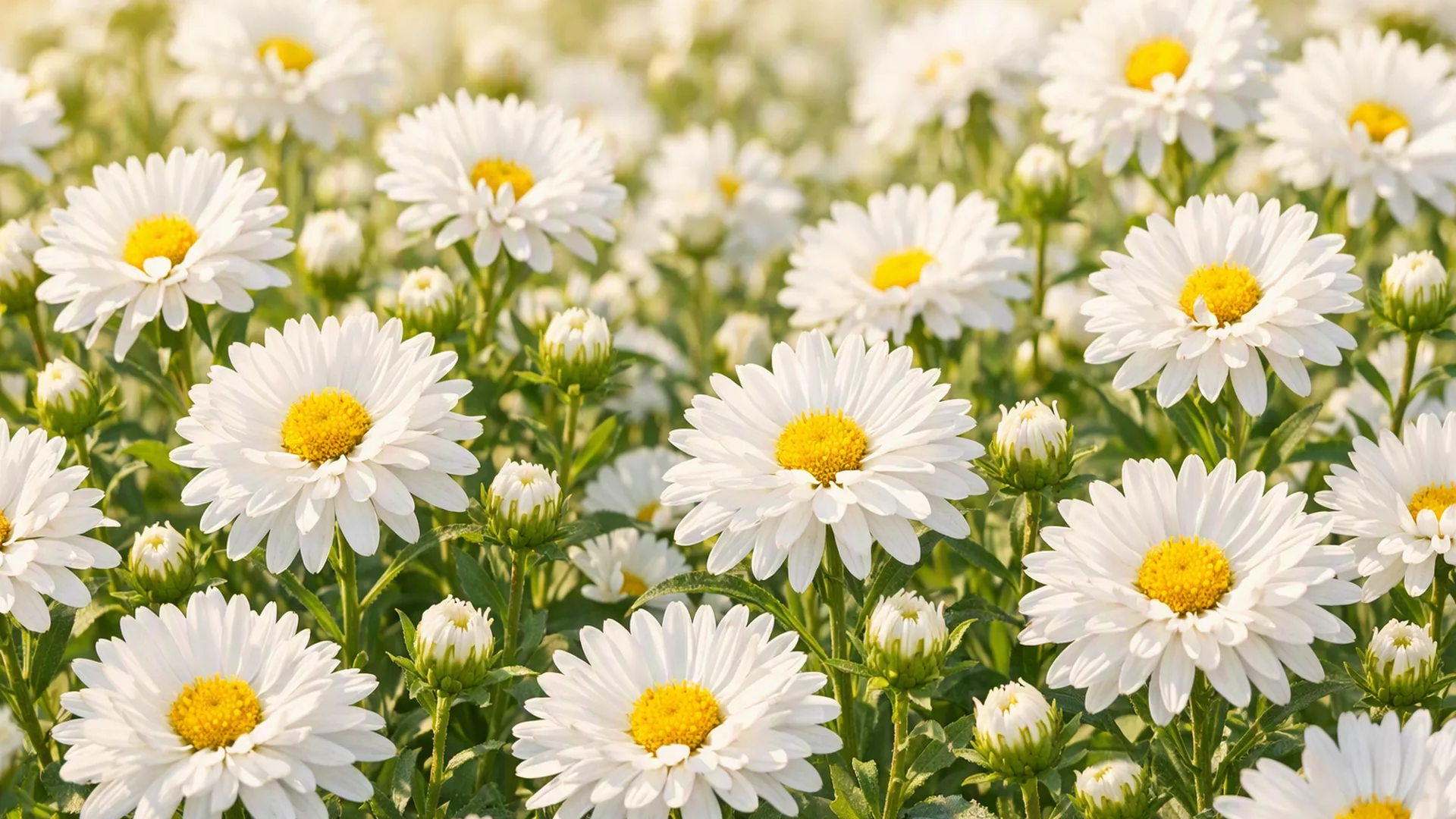
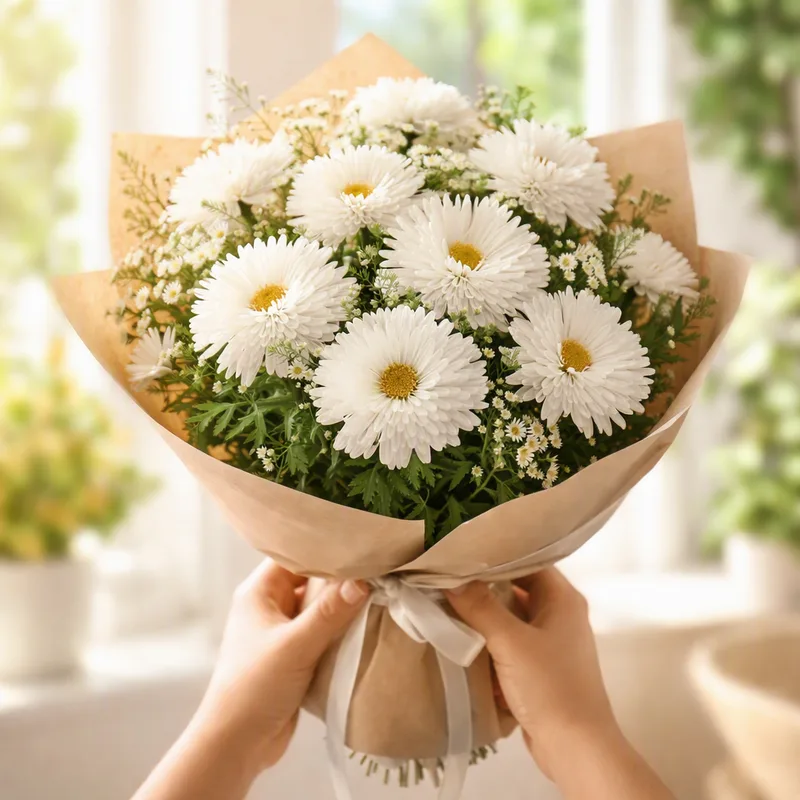
White asters turn up in several forms. Wild and garden selections of the heath aster (Symphyotrichum ericoides) carry masses of tiny white flowers on wiry stems, and florists use them as a soft filler. Taller Michaelmas daisies also come in white, and the China aster has white forms as well.
What white asters suggest
In the language of flowers, the aster traditionally stands for patience, love and daintiness. White versions suggest purity and a gentle sense of calm, which suits memorial tributes and simple wedding flowers.
Picking and arranging
- Choose stems with a few flowers open and plenty of buds in reserve.
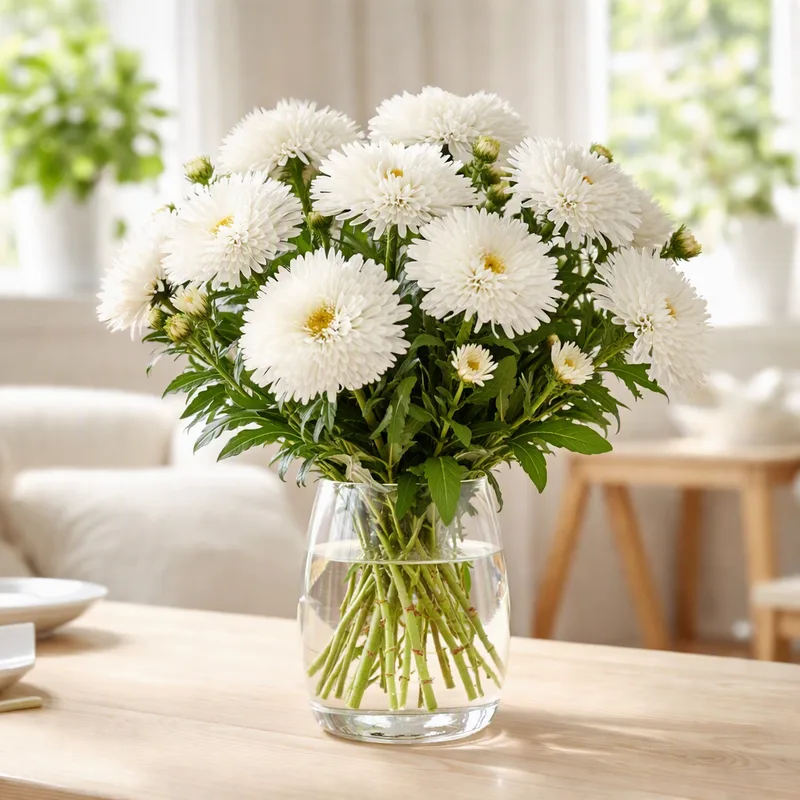
- Strip leaves from below the water line.
- Aster stems are woody, so a clean angled cut helps with water uptake.
- A vase life of one week to ten days is typical in a cool room.
Using white asters in the garden
White flowers glow at dusk, so asters make a good companion for darker foliage. Plant perennial types in autumn or early spring and mulch around them. Avoid planting too close together, because poor airflow encourages mildew.
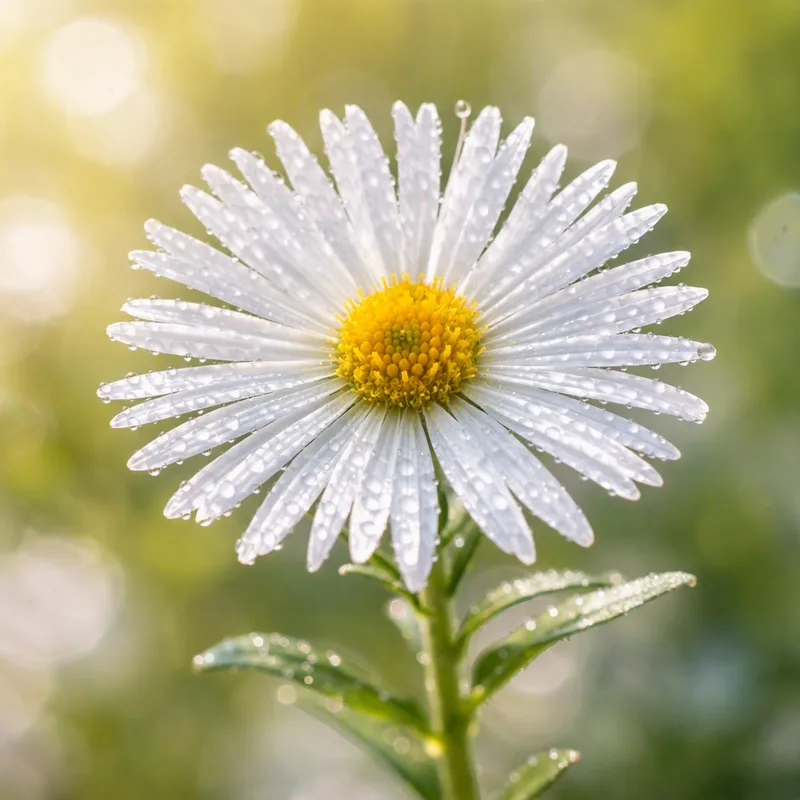
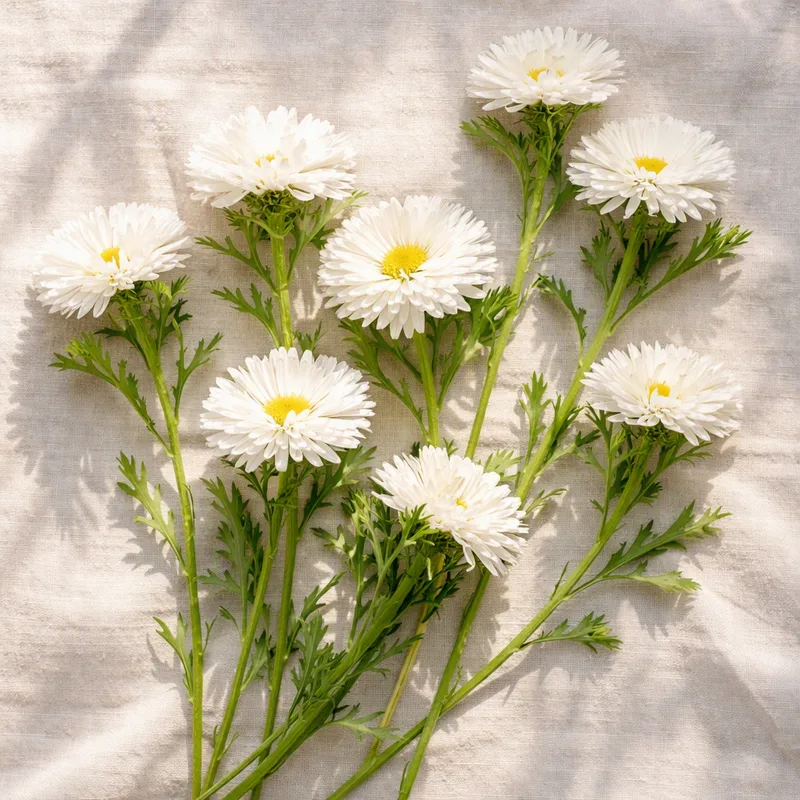
Foliage matters too. Heath aster has tiny, narrow leaves that look fine-textured beside broad-leaved plants, while Michaelmas daisies have longer, lance-shaped leaves along the stem. A few stems in a jar are enough to give a dining table a soft, airy look.
Related white daisies
Plants such as feverfew and the Shasta daisy are also white, but their petals are broader. Aster petals are narrow and ray-like around a yellow centre.