Pink among the blues
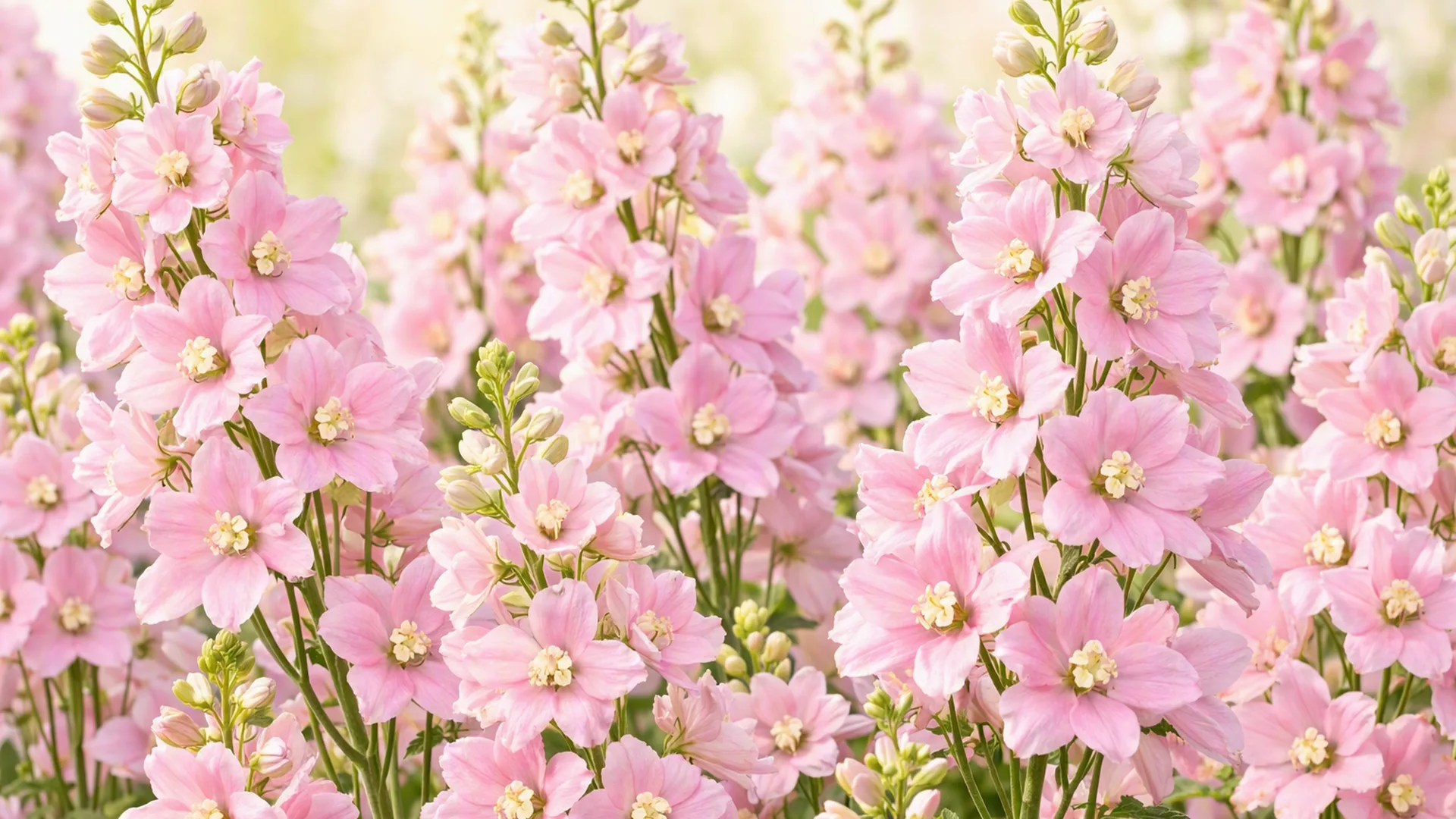
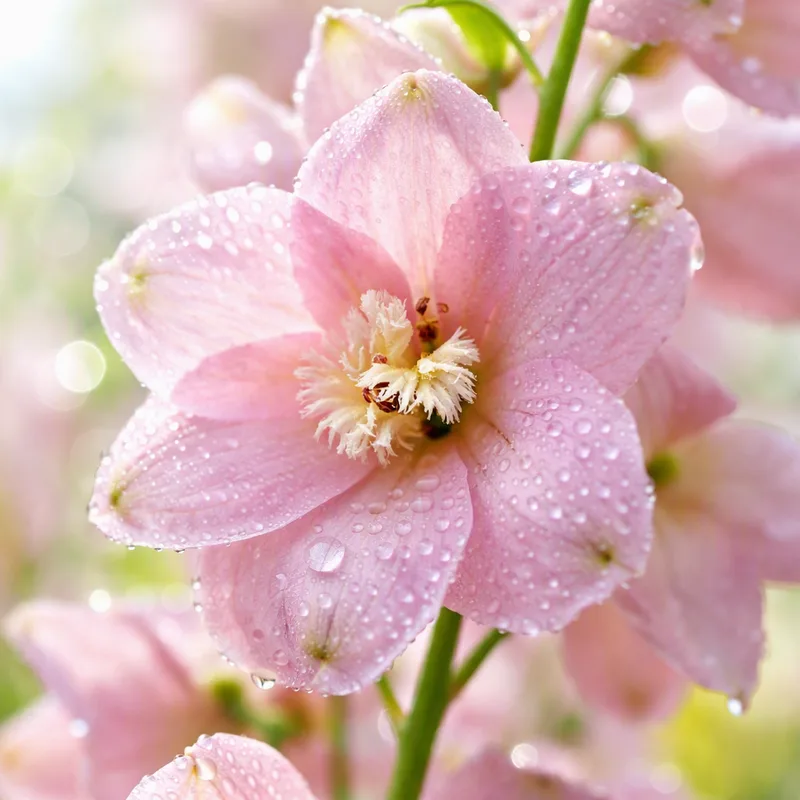
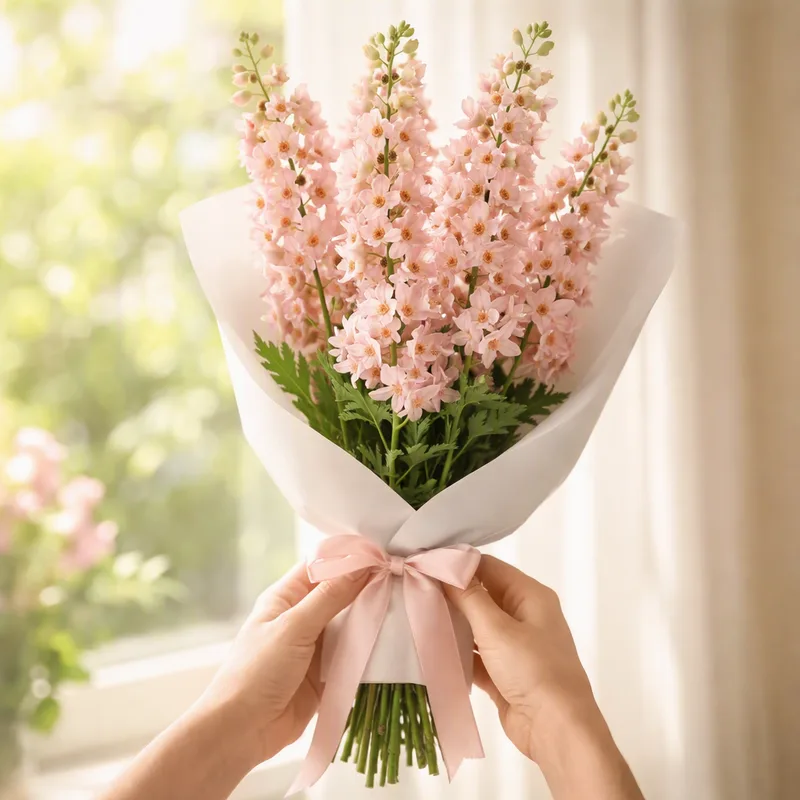
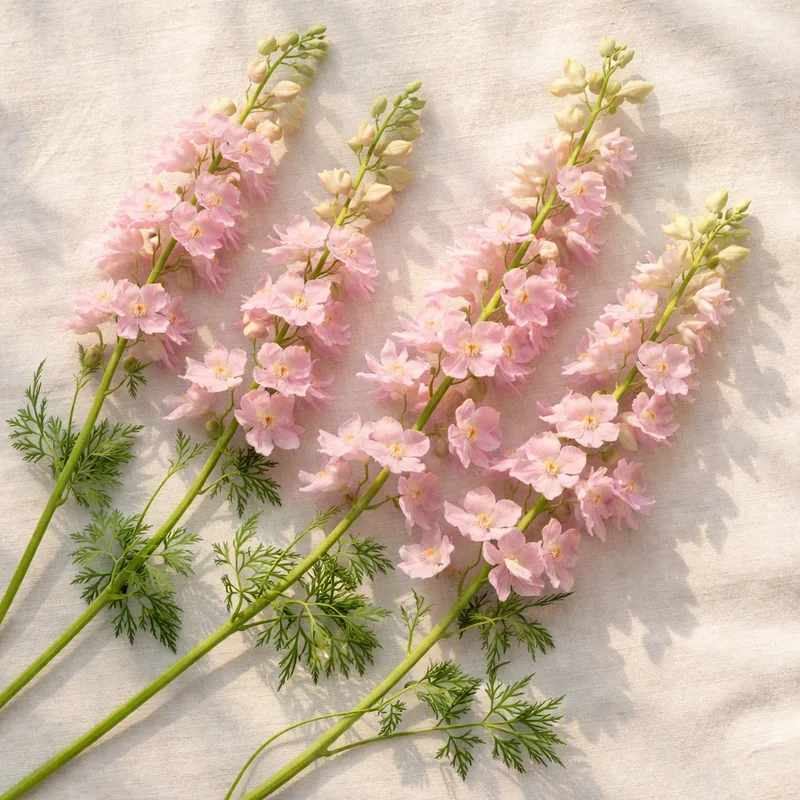
Pink delphiniums have been bred for decades alongside the usual blues. They range from pale blush to deeper rose and often have a dark or white bee at the centre. The flowers are carried on tall spikes in early summer.
How they fit into an Australian garden
Plant them at the back of a bed, where their height creates a backdrop for lower perennials. Delphiniums perform best where summers are mild. In Tasmania, the Victorian highlands and similar areas, they flower in November and December. In warmer regions, a sheltered position with afternoon shade gives a better chance.
A short checklist
- Improve the soil with compost and a little lime if it is acidic.
- Water deeply during dry spells.
- Cut flower stems when the lower buds have opened.
- Cut back after flowering and feed to encourage a late flush.
What to plant alongside
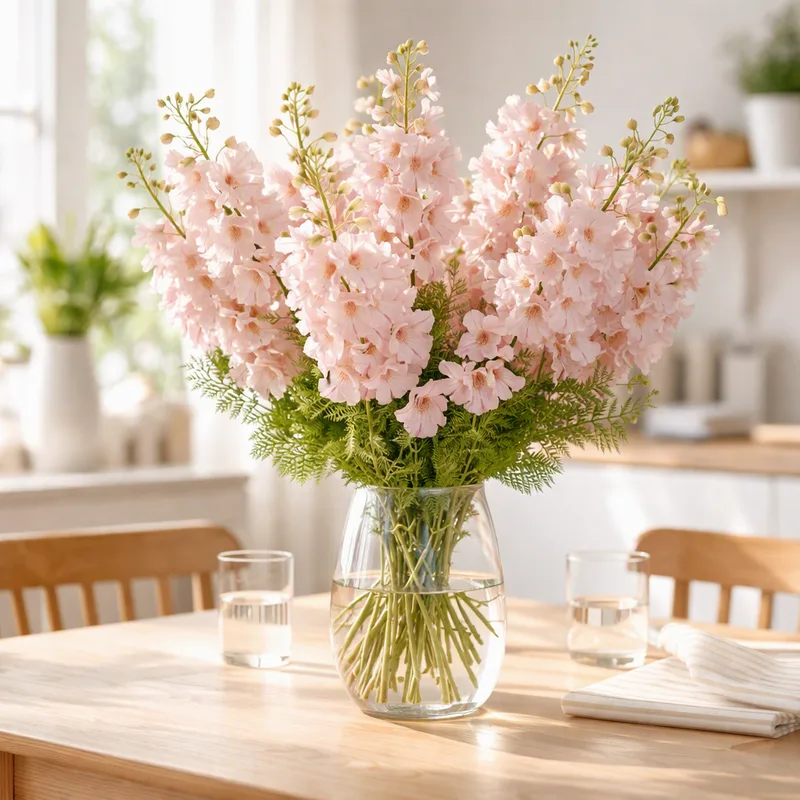
Pink spires look lovely with white roses, blue salvias and silver artemisia. In bouquets, they add height and drama.
Crowns survive winter well under mulch in cold areas, but the young shoots in spring are what slugs and snails go for. Ring them with a barrier or pick off pests in the evening.
Keep animals and children safe
Delphinium is toxic in every part. The ASPCA database rates it as toxic for dogs, cats and horses. Wear gloves for garden jobs, wash up afterwards and contact the Poisons Information Centre on 13 11 26 if a person swallows any part.