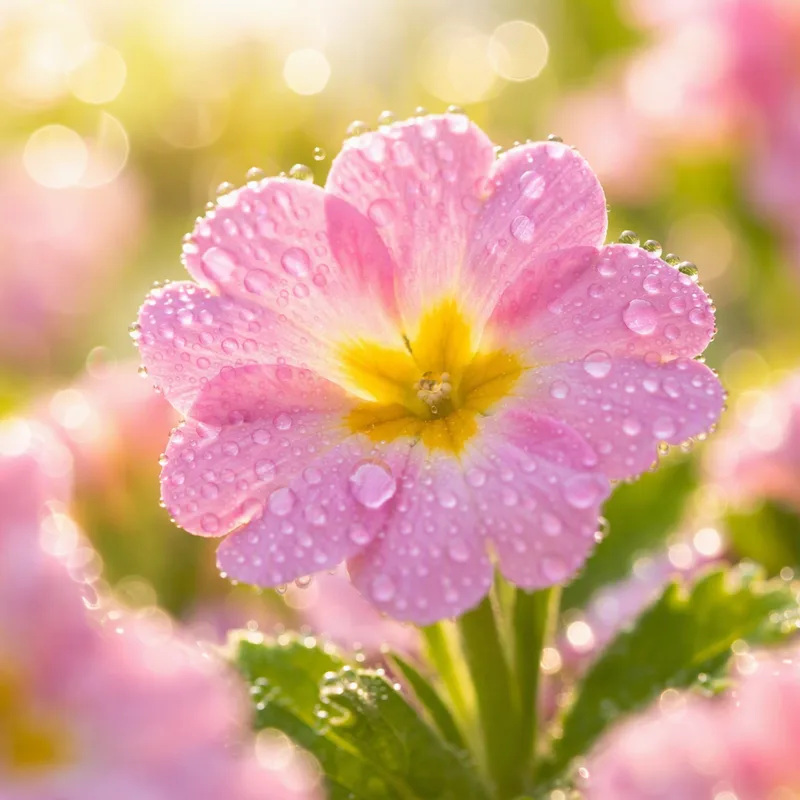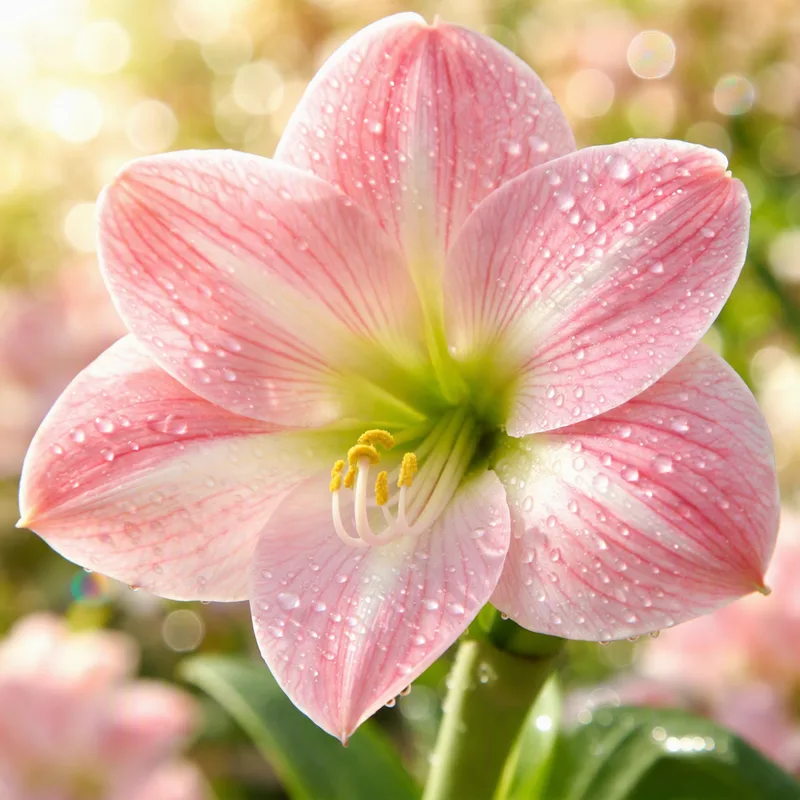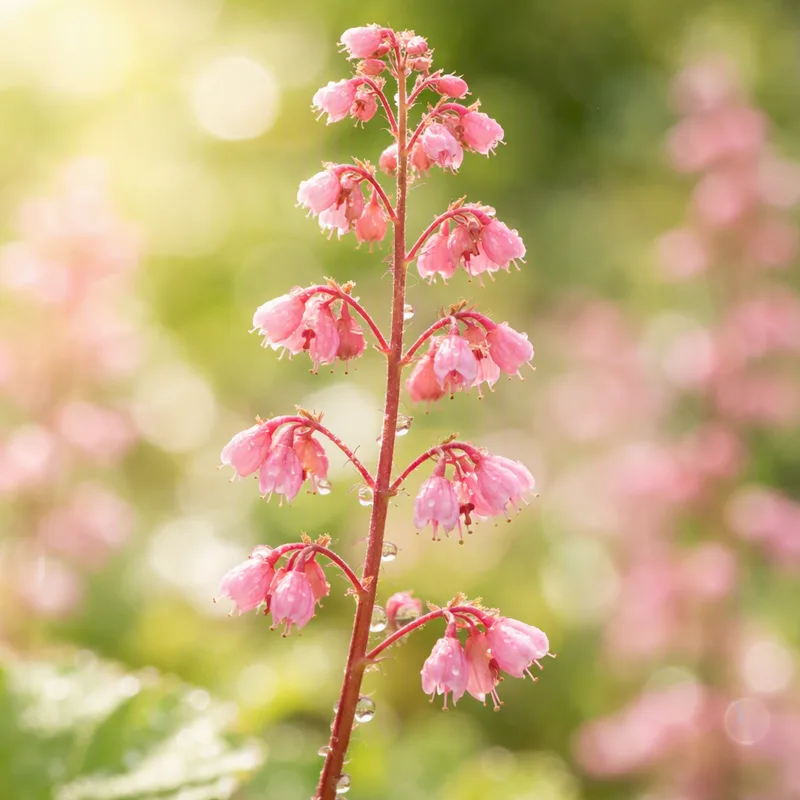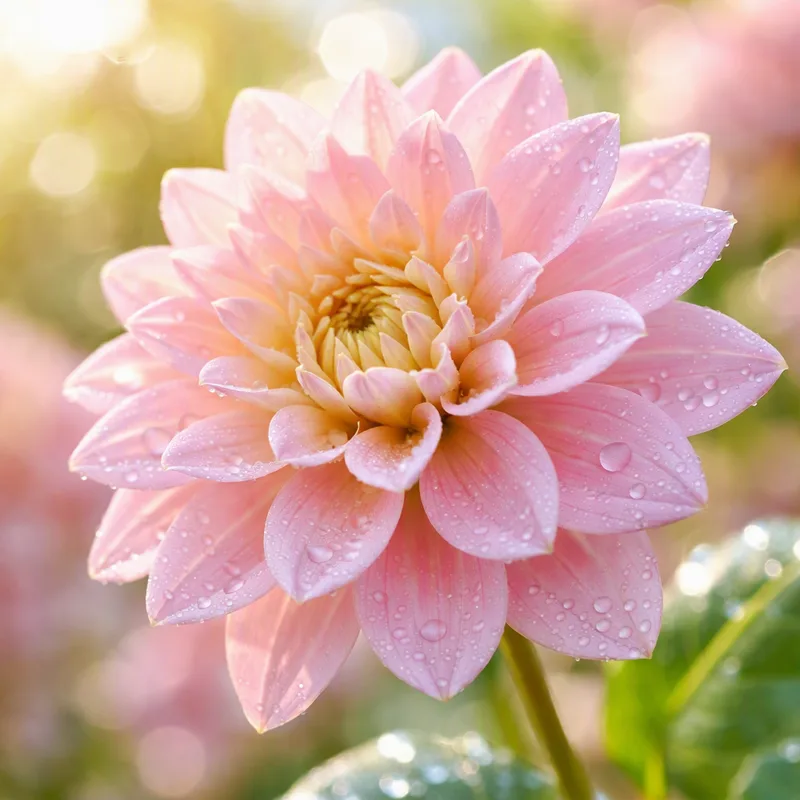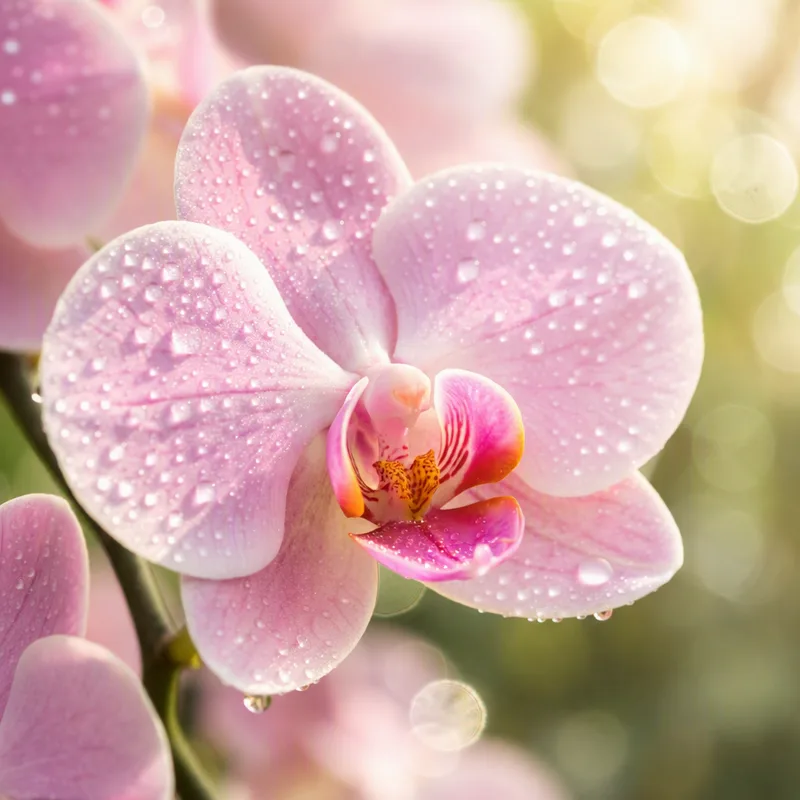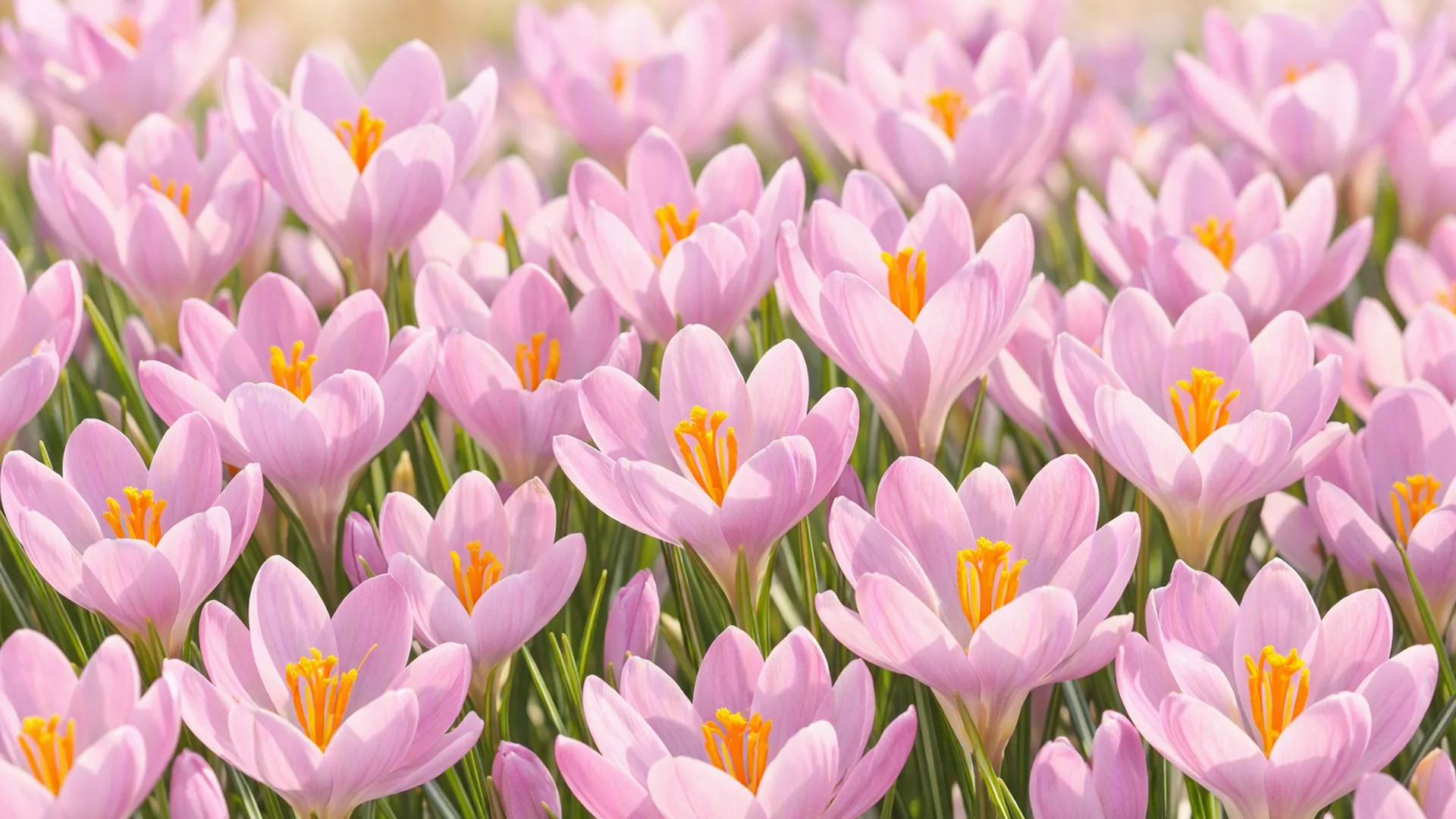
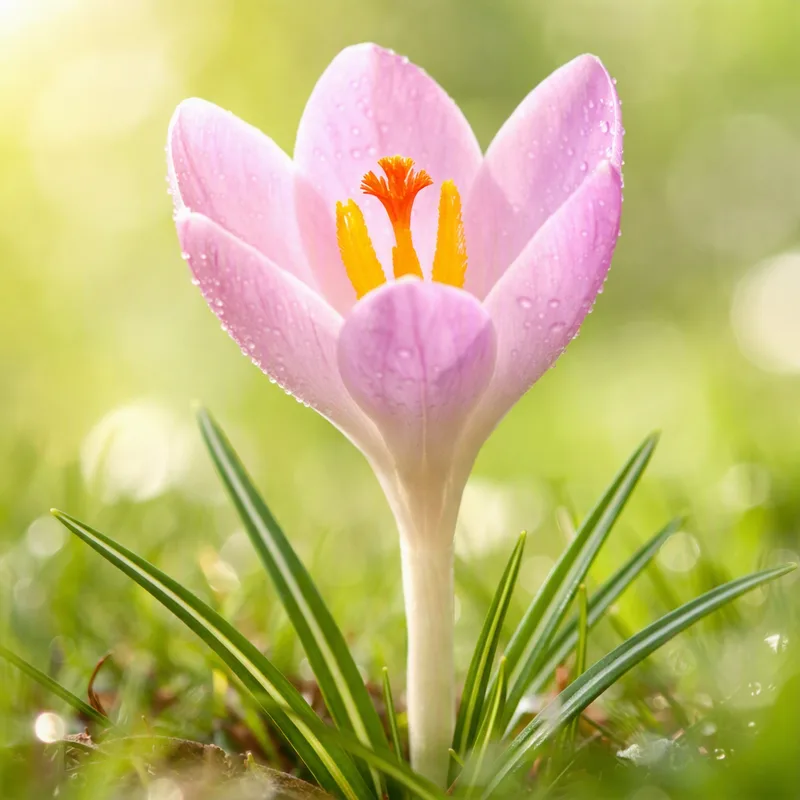
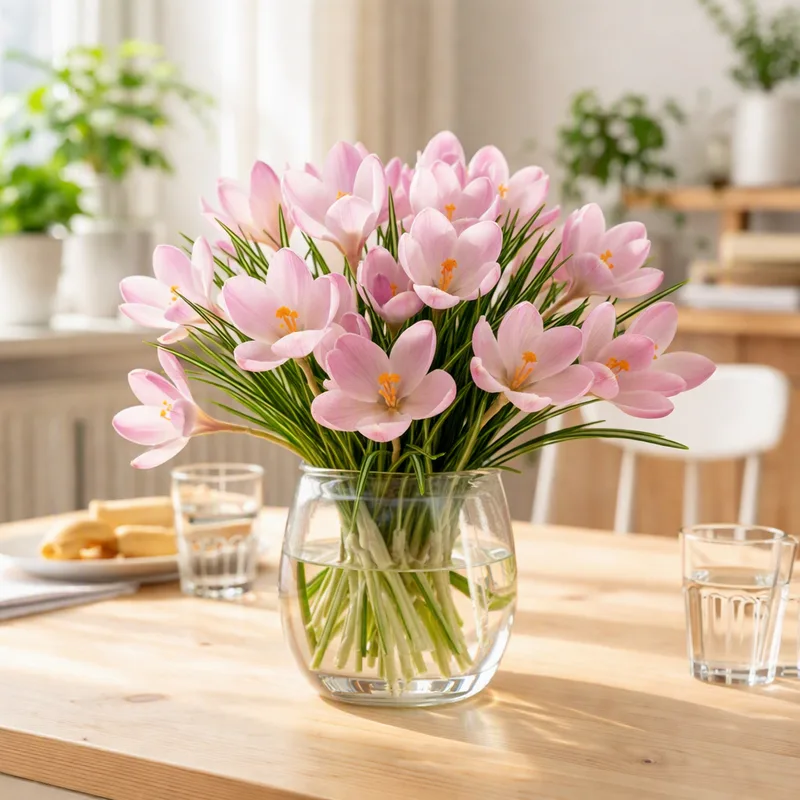

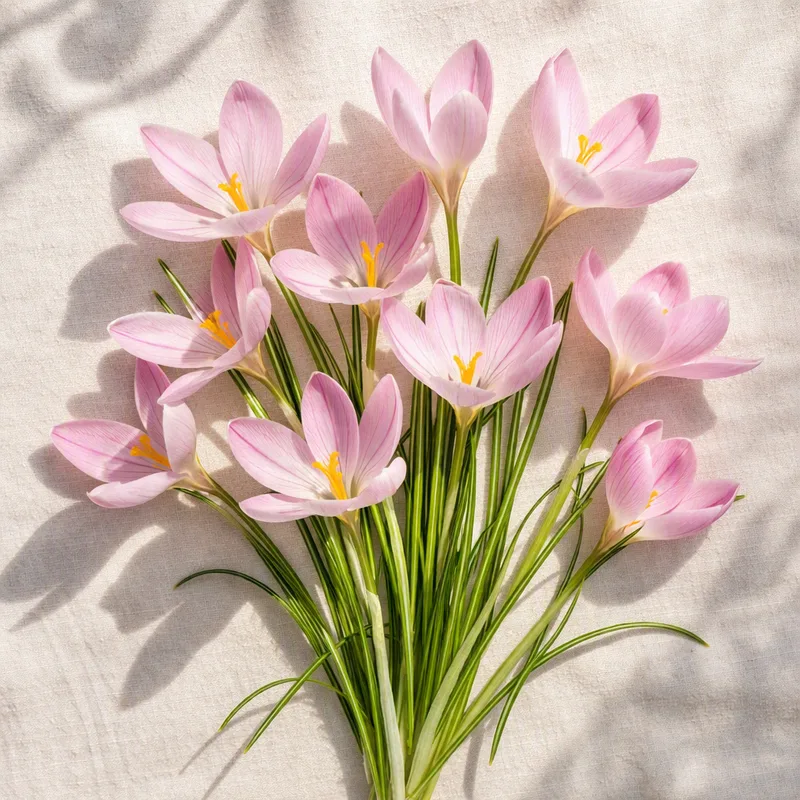
Crocus flowers come in white, yellow, orange and purple, according to Wikipedia. Pink does not appear in that list, and that is a fair guide: most pink crocuses are really pale lilac, rosy mauve or purple with a pink blush, and the colour can look different in sun and shade.
What you are likely to find
- Soft lilac and mauve forms of the large Dutch crocus.
- Flowers streaked with purple on white, which can read as pink from a distance.
- Pale amethyst types of small species crocus.
If a catalogue promises vivid pink, treat it carefully, and choose a supplier who describes the colour honestly. Most buyers are pleased with the pale lilac result.
Planting plan for a pink-ish drift
Combine pale mauve crocuses with white ones for a soft sunrise effect. Bright yellow crocus beside them makes the lilac stand out. Plant them in a sunny spot on a slope, in a rockery or in a pot of gritty mix.
When and how
Plant corms 8 centimetres deep in autumn, from March to May. Cold winters and dry summers suit them. They flower in August and September in places like Hobart and Canberra, and give a single display in warmer climates unless pre-chilled.
Leaves, flowers and summer rest
Allow the leaves to die back. Remove spent flowers. Do not water during summer dormancy.
Small corms, real risks for animals
The garden crocus can cause vomiting and diarrhoea if eaten. Autumn crocus is dangerous and should never be mistaken for a spring crocus.