Three plants called heather
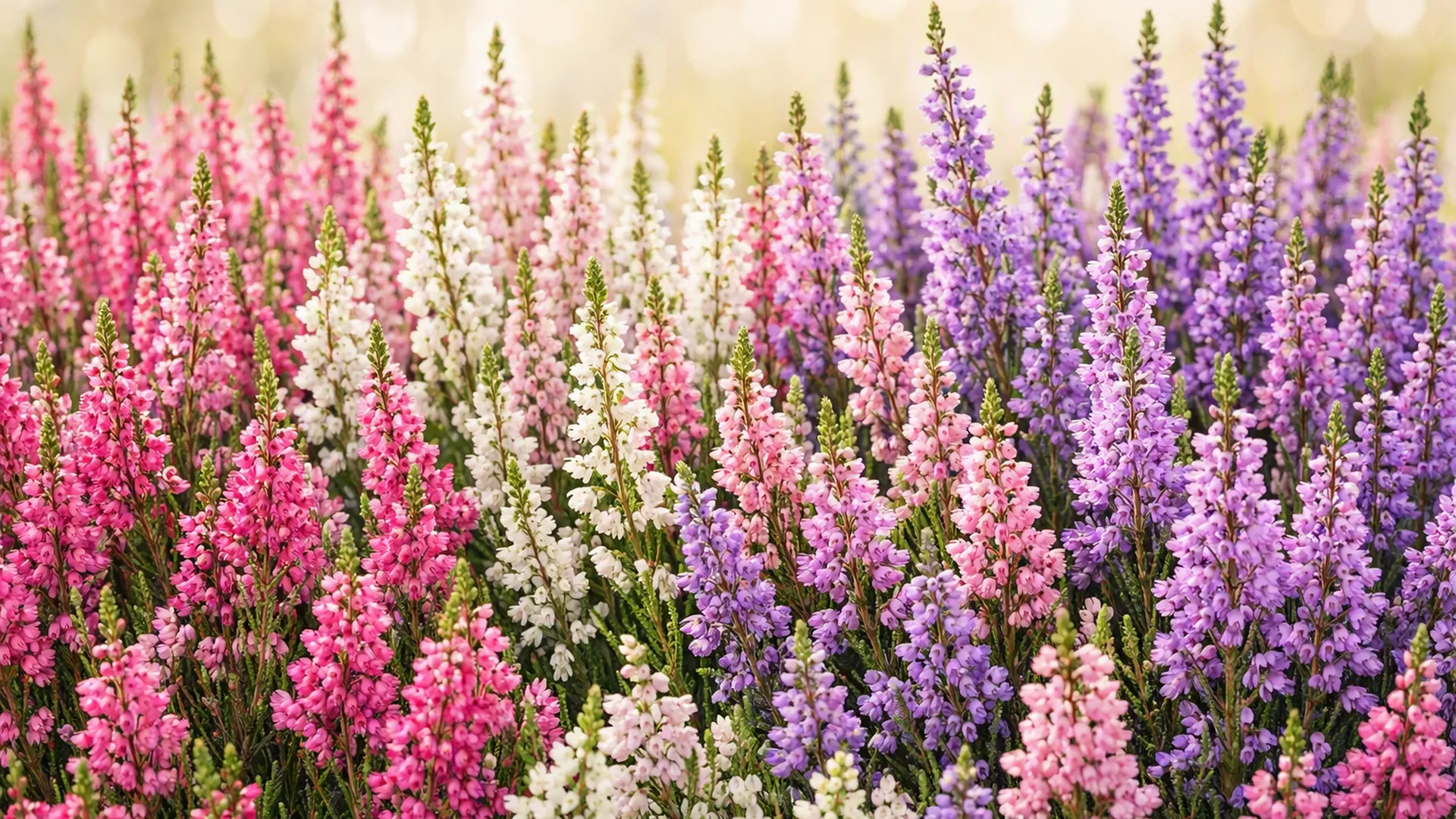
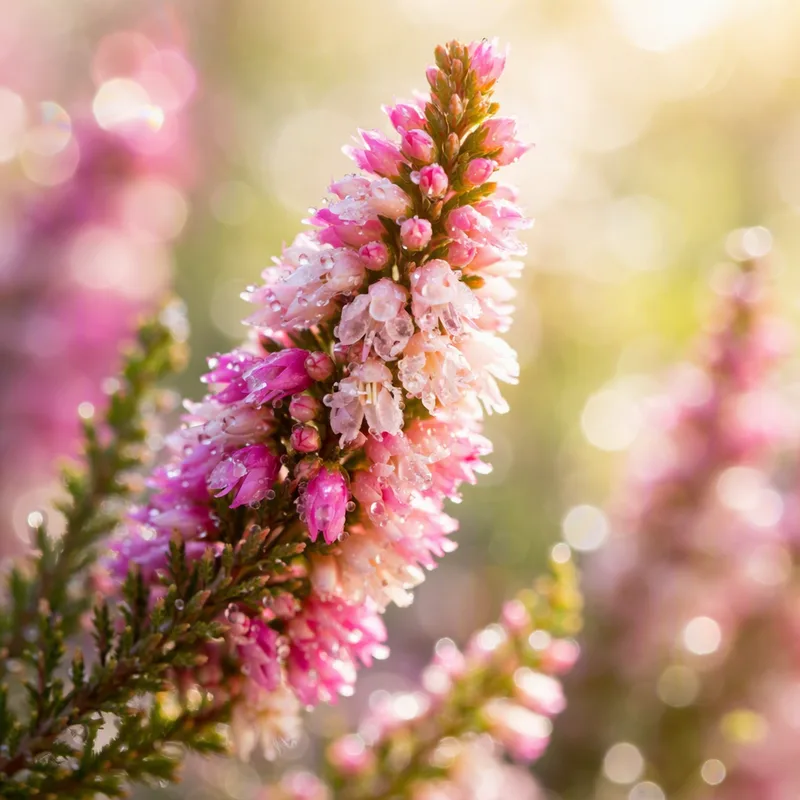
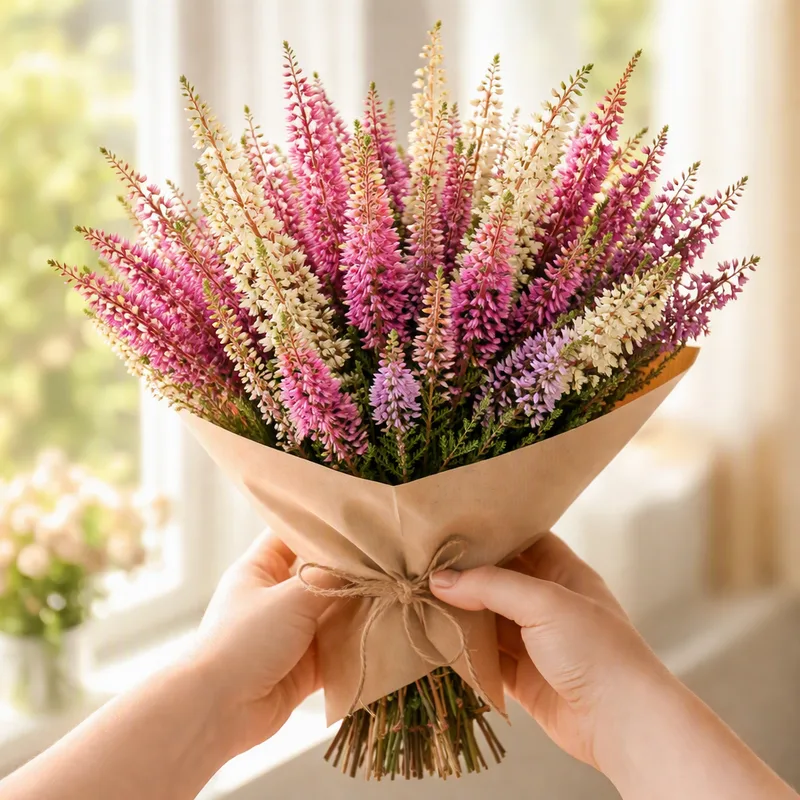
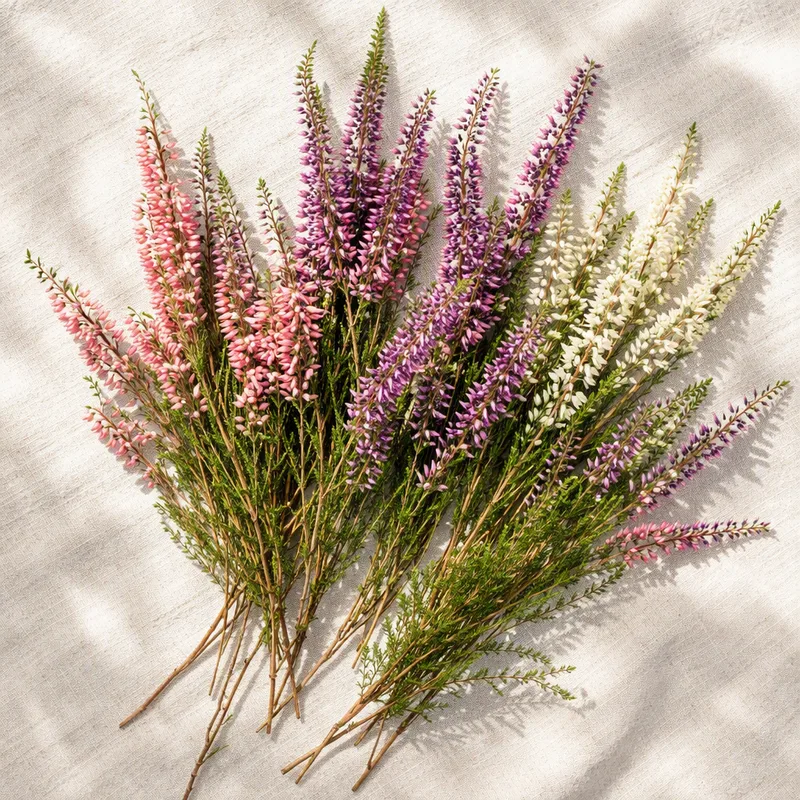
Calluna vulgaris is the heather proper, known in Europe as ling and the sole member of its genus. As a low evergreen shrub it stands 20 to 50 cm high and wears minute scale-shaped leaves. The wild plant flowers in mauve, while garden cultivars cover white, pink, purple and red. In Europe it dominates heathland and moorland, flowering from July to September; in the southern hemisphere the equivalent flowering season is roughly late summer into autumn.
Many Australian nurseries also sell Erica, which has needle-like leaves and tubular flowers, often in winter. Neither is related to the native heaths of the genus Epacris, such as the common heath (Epacris impressa), which is Victoria's floral emblem.
Where Calluna does well
It likes acid, peaty soil, sun and cool conditions. That points to Tasmania, the Victorian highlands and Dandenongs, the Blue Mountains and other cool districts. In humid or hot areas, or where the soil is alkaline, plants often struggle.
Keeping heather healthy
- Use an acidic mix such as ericaceous potting soil, and avoid lime.
- Give potted plants a drink when the weather stays dry, since the roots sit near the surface.
- Clip lightly after flowering and never cut into bare old wood.
- Mulch, and keep roots cool.
Bees and pets
Bees work heather for nectar. The ASPCA toxic plant list leaves heather out, though an absent entry is no guarantee, so discourage chewing. Take care with mixed pots, because azalea and rhododendron, which share the same family, are poisonous to pets.