Choosing a white clematis
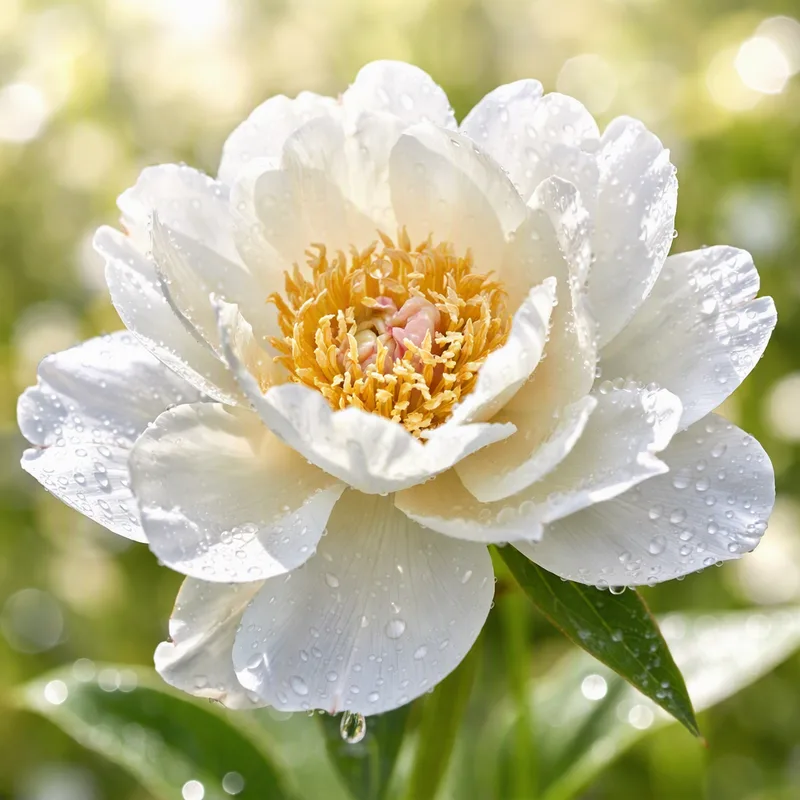
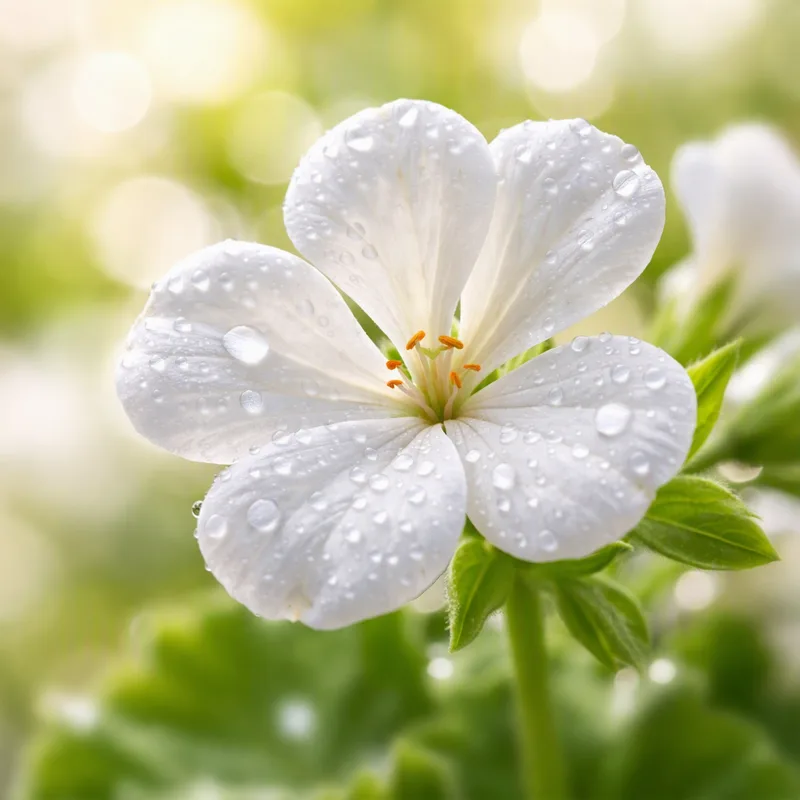
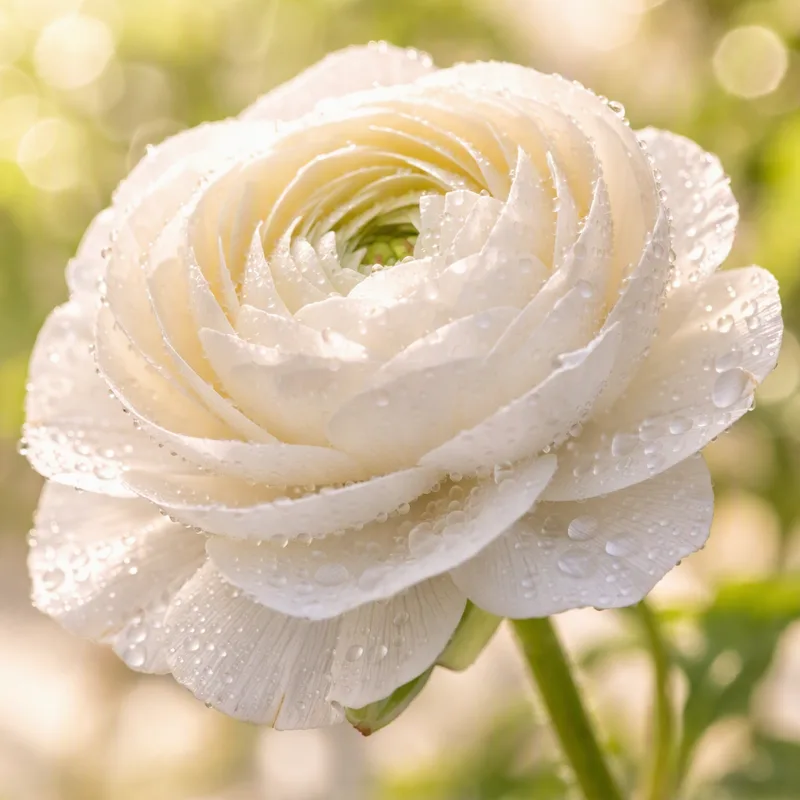
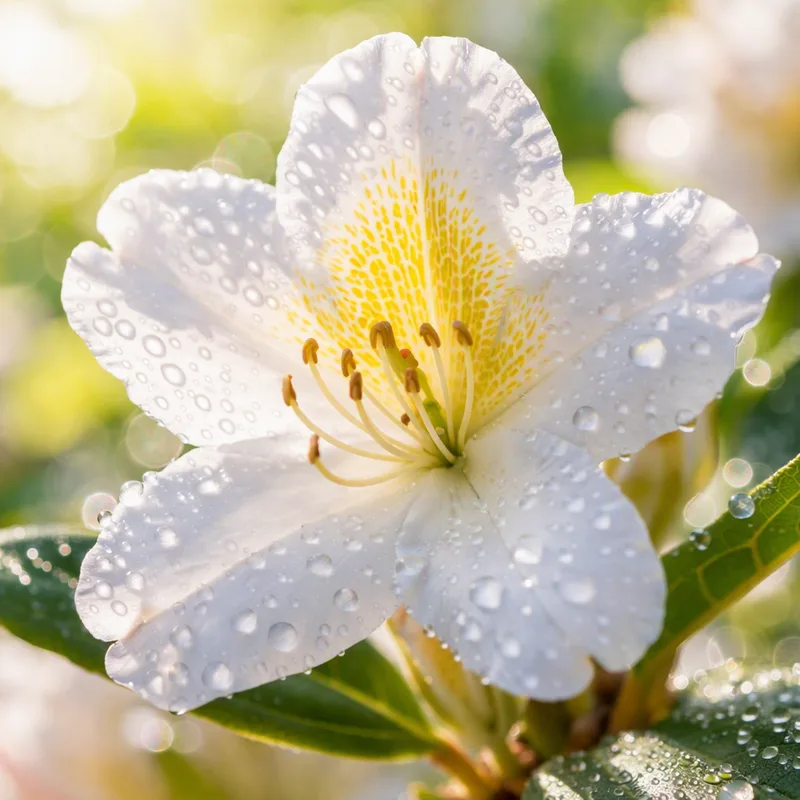
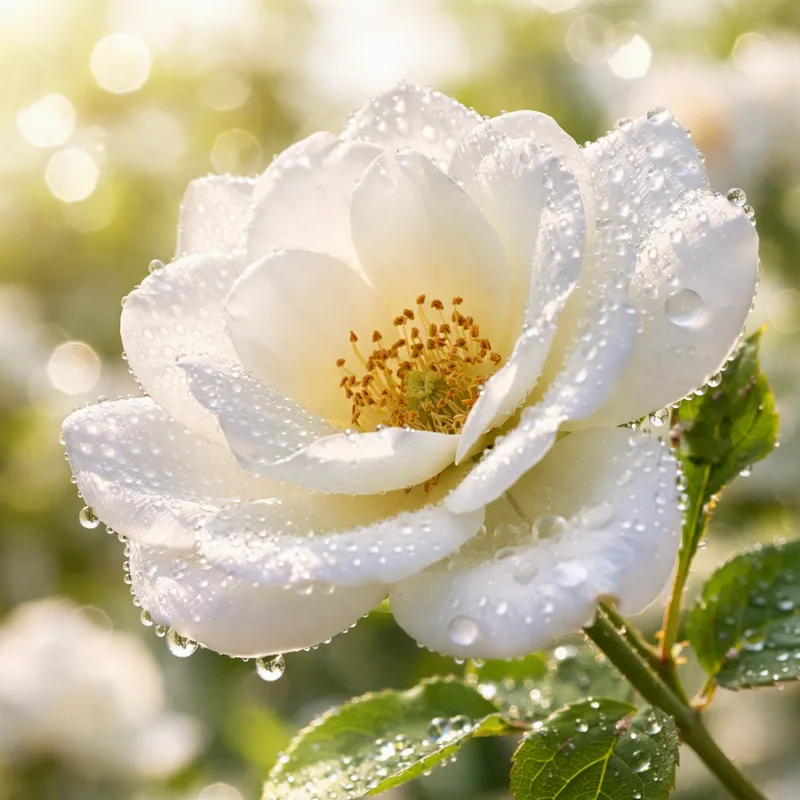
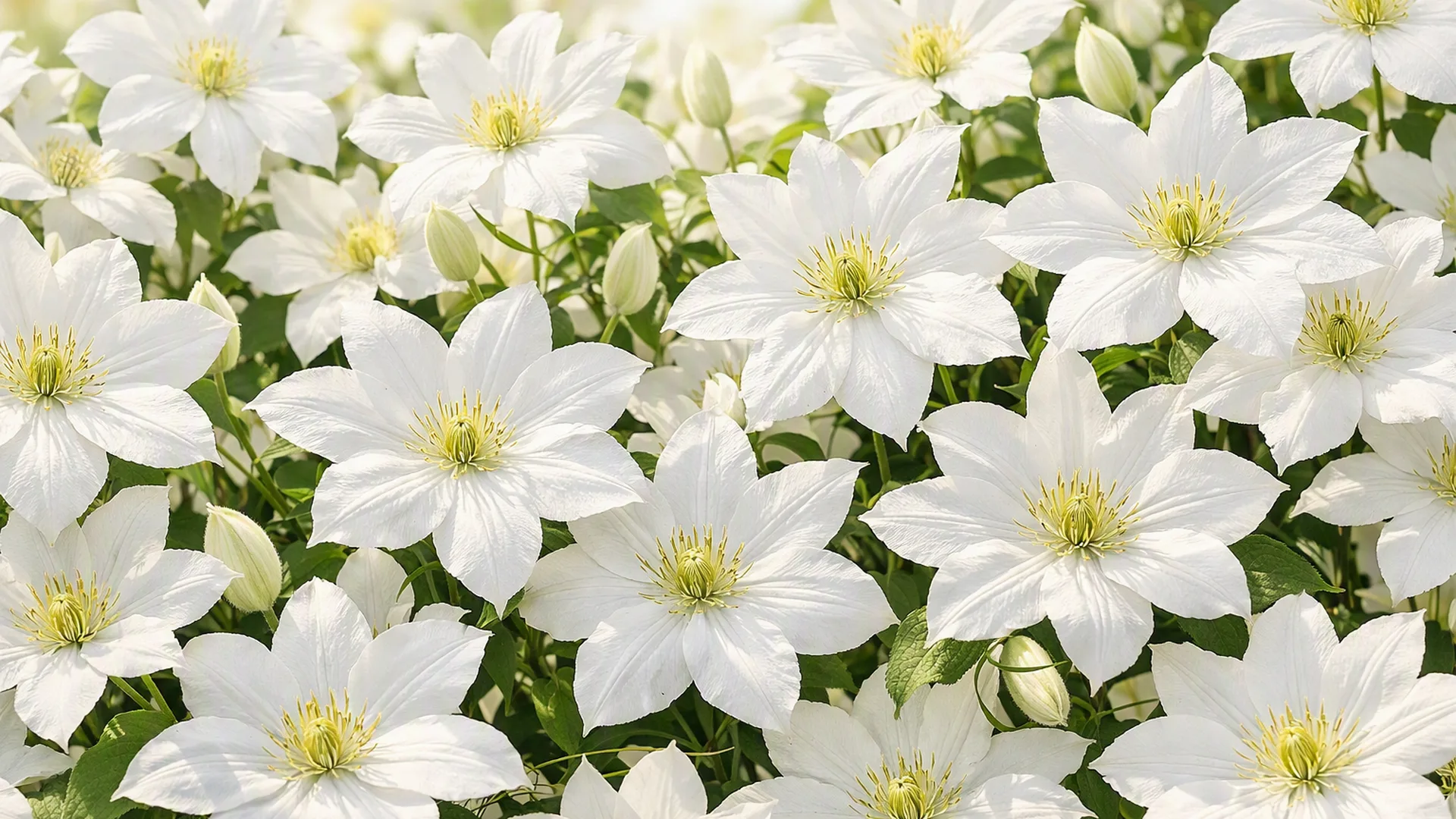
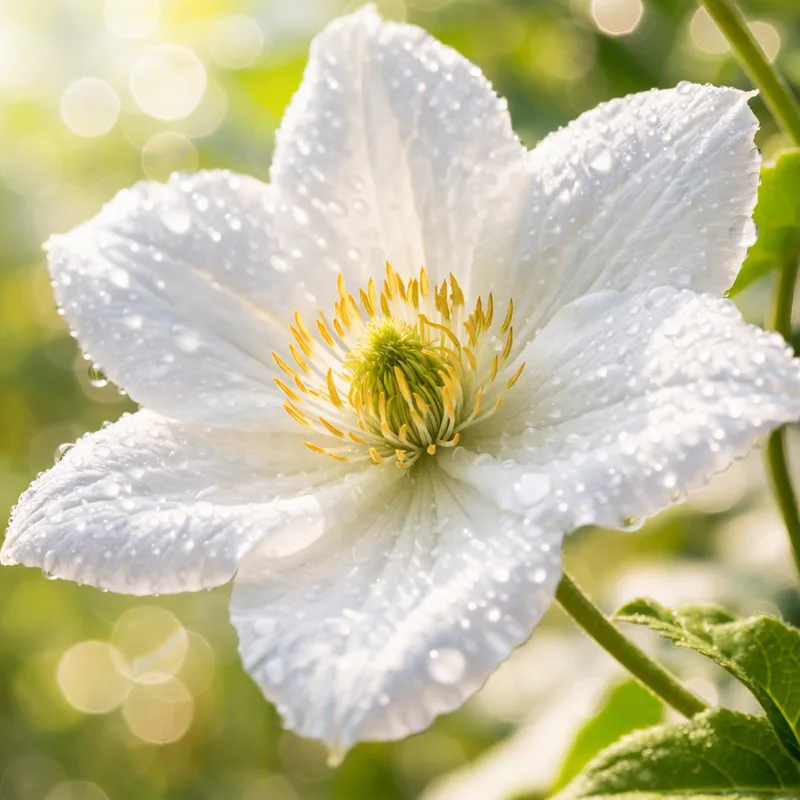
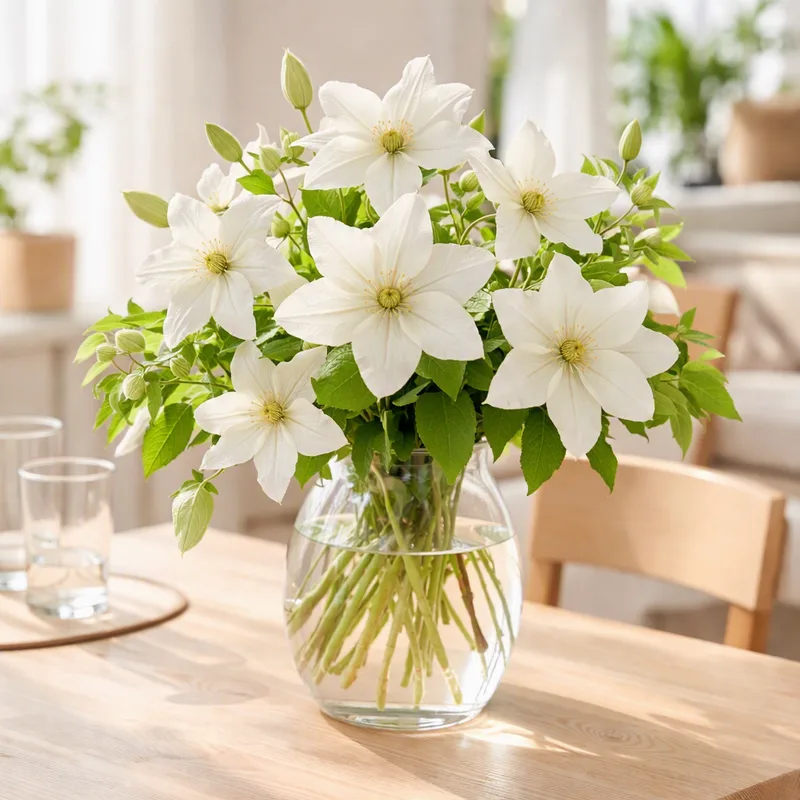
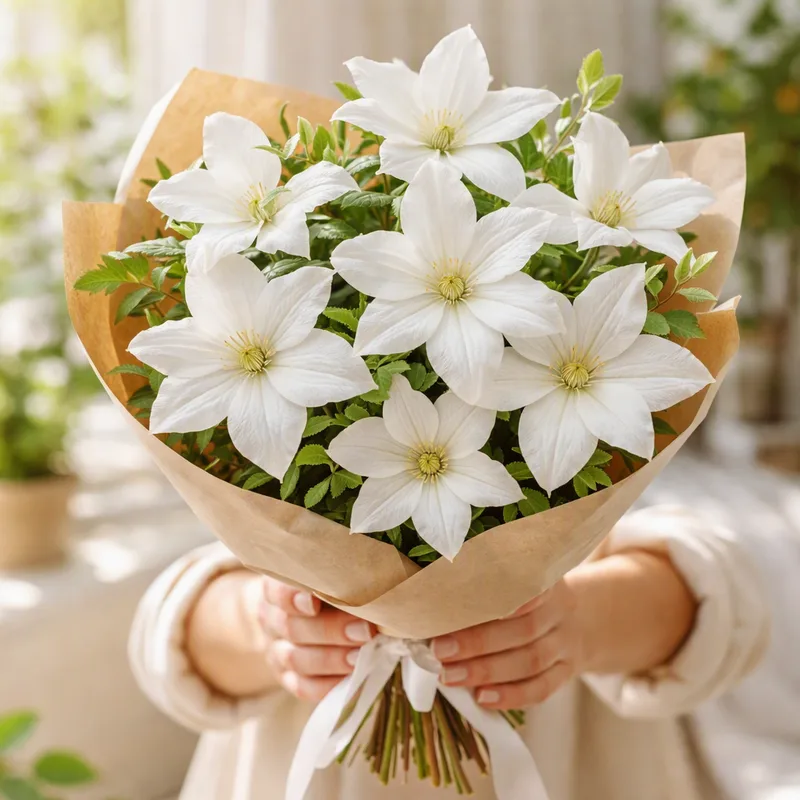
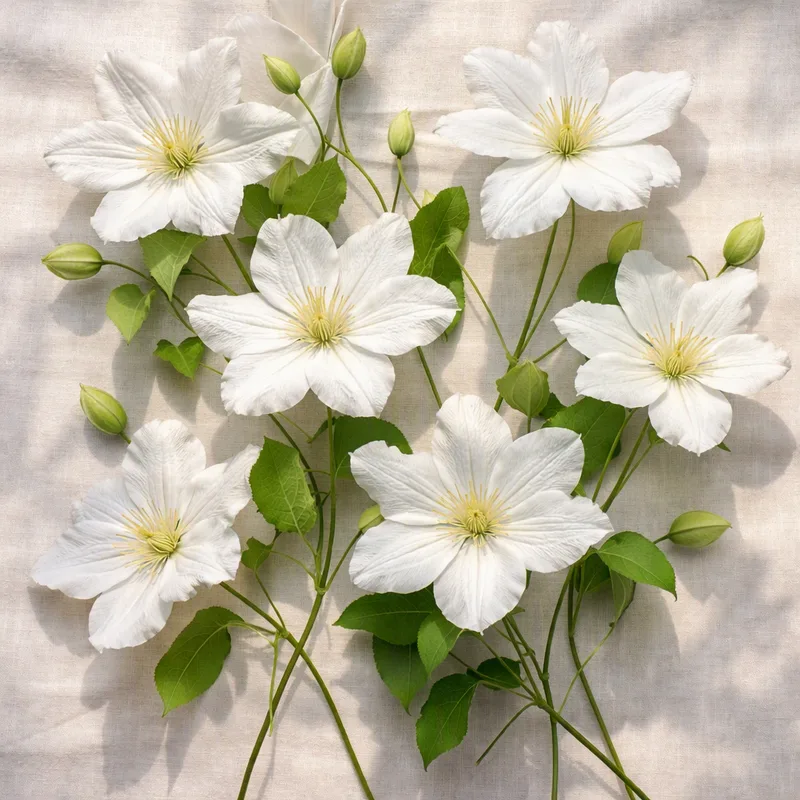
White-flowered clematis include the evergreen Armand's clematis (Clematis armandii), which opens scented blooms in late winter and early spring, and the large-flowered cultivar 'Marie Boisselot'. The native Clematis aristata also has white flowers and suits gardens that favour local plants.
Evergreen versus deciduous
Armand's clematis keeps its long leathery leaves all year, so it can shade a fence or pergola in summer. Large-flowered hybrids lose their leaves in winter and then burst into growth in spring. Both prefer a sheltered spot.
Looking after a white clematis
- Give it a trellis or wires for the leaf stalks to cling to.
- Shade the base with a pot or low shrubs.
- Water deeply in hot weather.
- Cut group 2 and group 3 types back in late winter.
Clematis wilt, a fungal problem, can kill stems of large-flowered hybrids. Planting slightly deeper helps the plant recover.
White flowers and their meaning
Clematis in general traditionally stands for mental beauty and ingenuity. White blooms add a sense of freshness and purity.
Scented varieties are worth planting near a window or path, where you can enjoy the perfume of Armand's clematis in late winter. It wants a sheltered position and young plants can be damaged by hard frost, so avoid cold hollows.
Toxicity in white clematis
All clematis contain protoanemonin, which is irritating if chewed. In the ASPCA plant database, the genus is flagged as toxic to dogs, cats and horses.