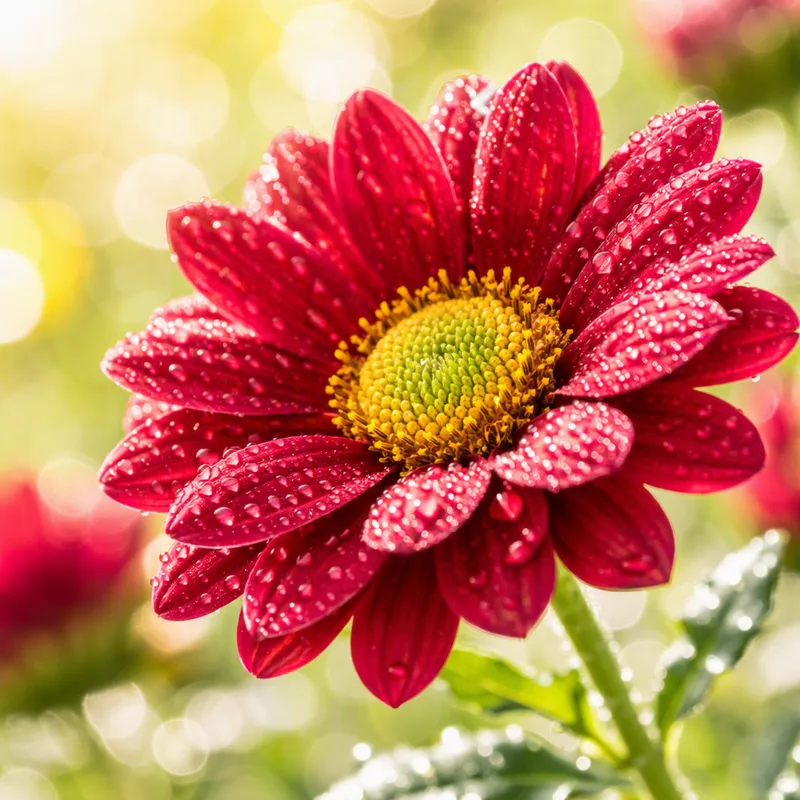
Heat-loving colour
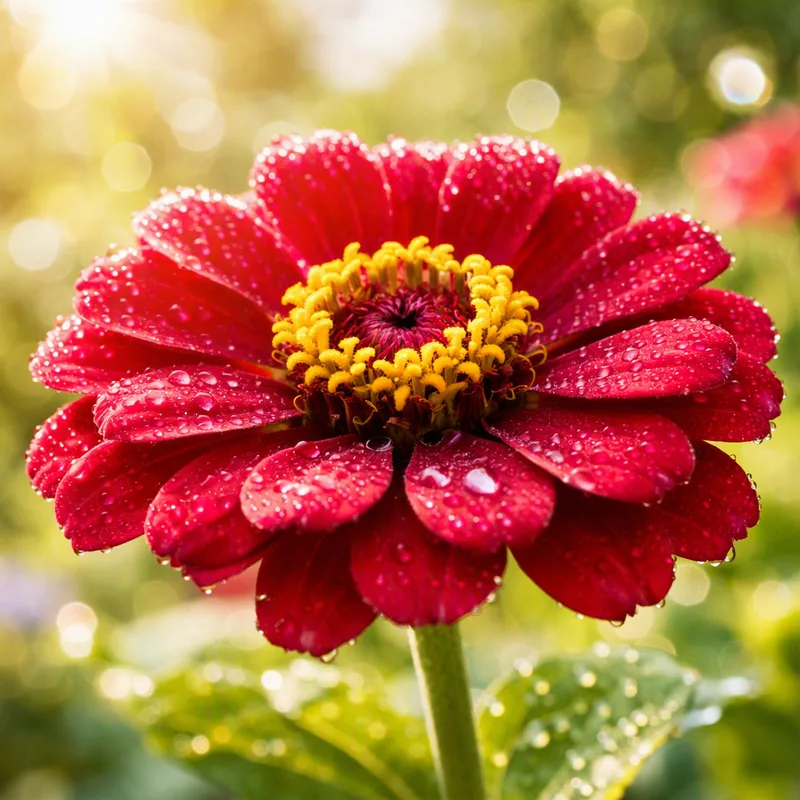
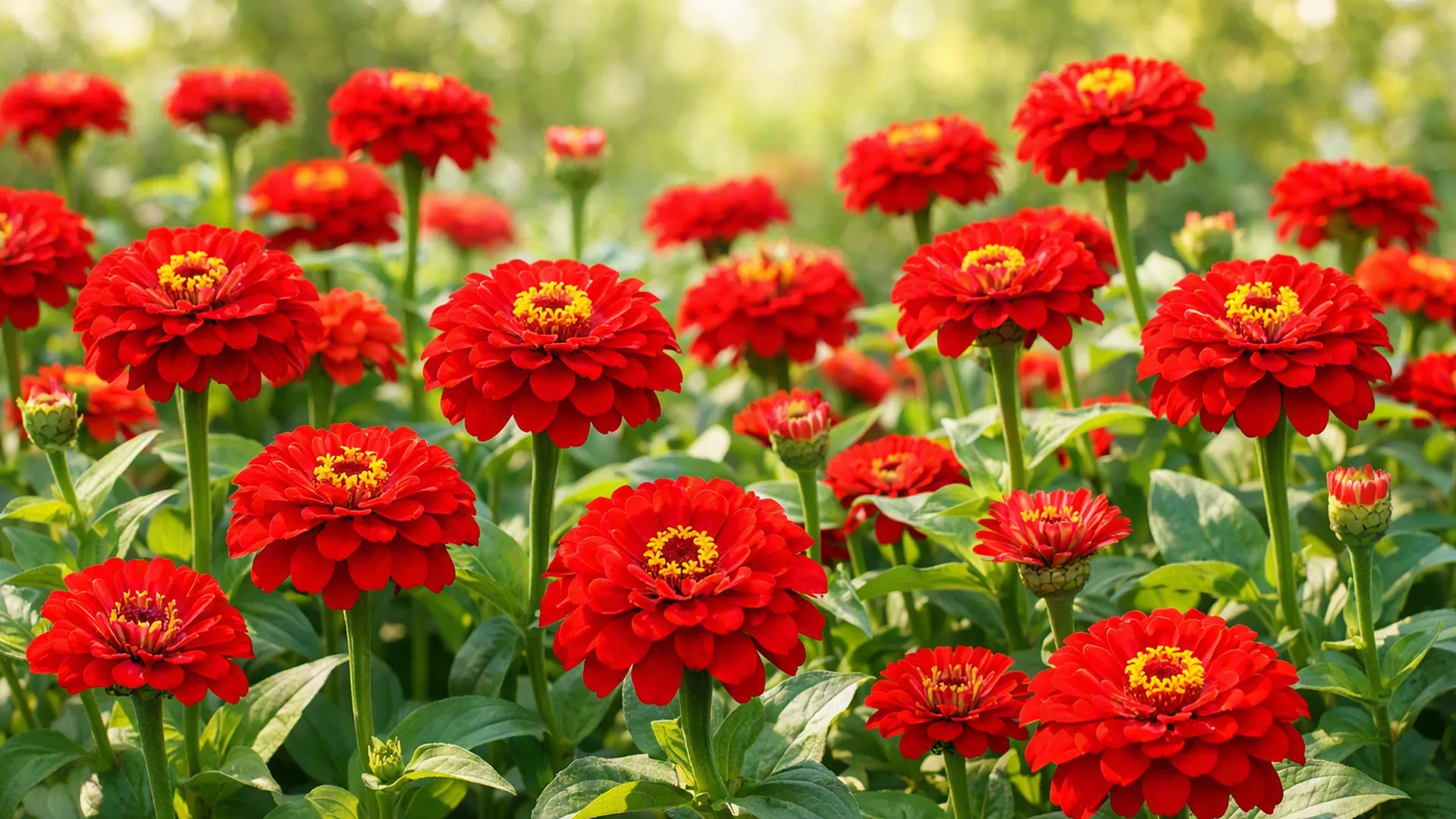
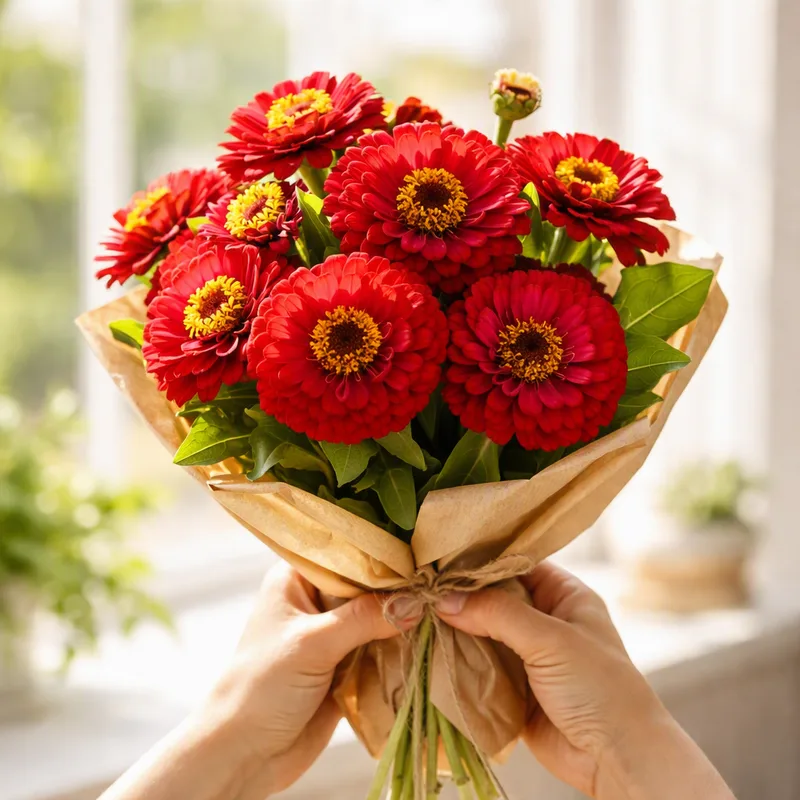
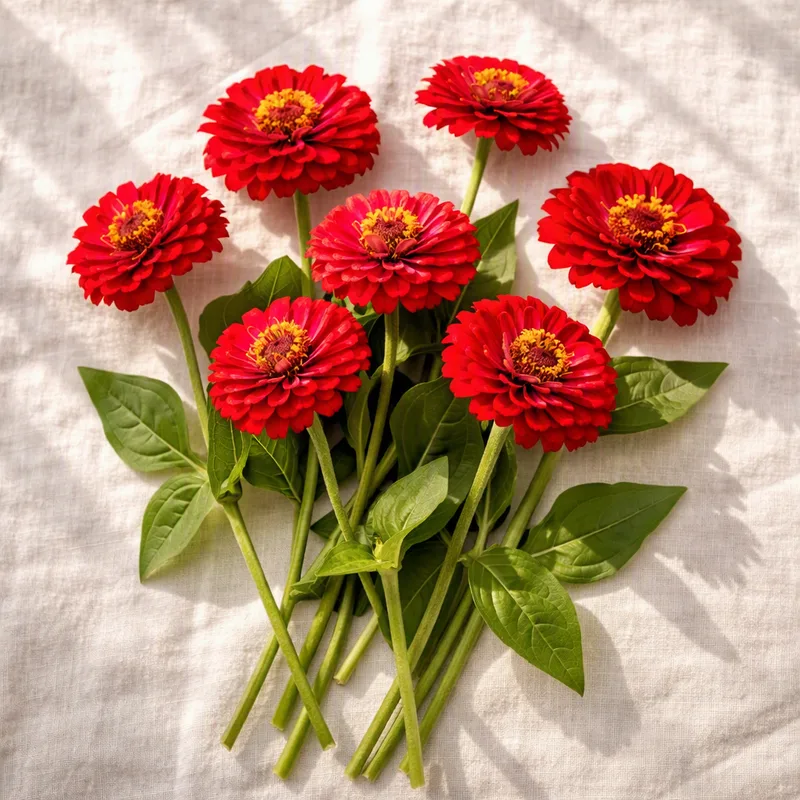
Red zinnias are made for sunny gardens in Australia, since the species prefers warm, dry, frost-free regions and many cultivars handle dry spells. Cherry and scarlet shades appear in series such as 'Profusion Cherry', which is compact and mildew-resistant compared with older types.
What red stands for
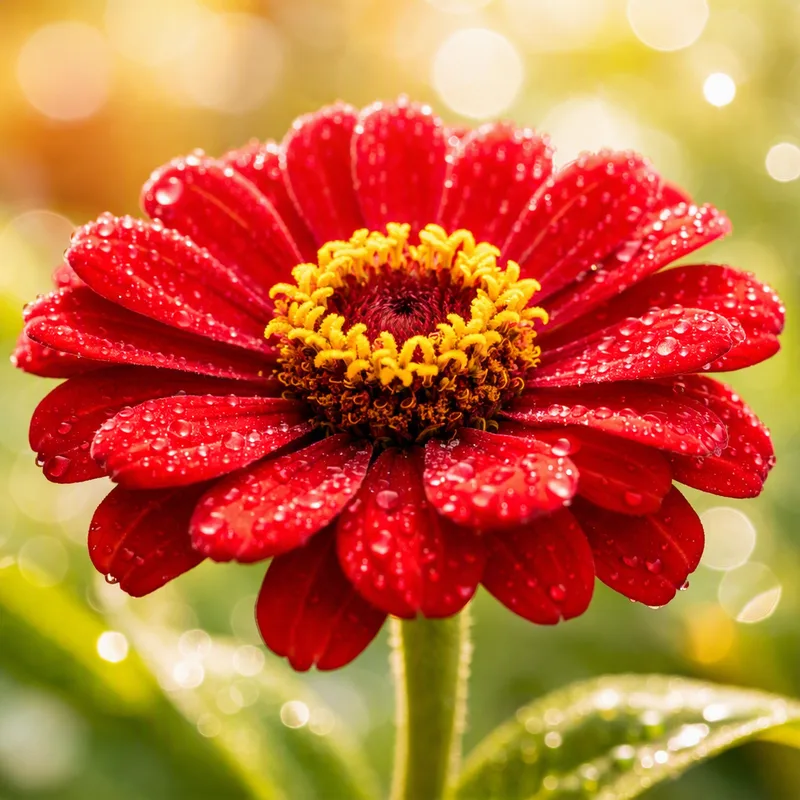
In the language of flowers, red zinnias traditionally stand for lasting affection. It is a fitting colour for a summer birthday or a Christmas table, since the plants flower in December and January.
Quick growing guide
1. Sow seed in spring, once the soil is warm and frost is over. 2. Keep seedlings in full sun with free drainage. 3. Pinch the tops out when they are around 15 cm tall. 4. Keep water off the foliage and onto the soil. 5. Cut and cut again to extend blooming.
Using red zinnias in a vase
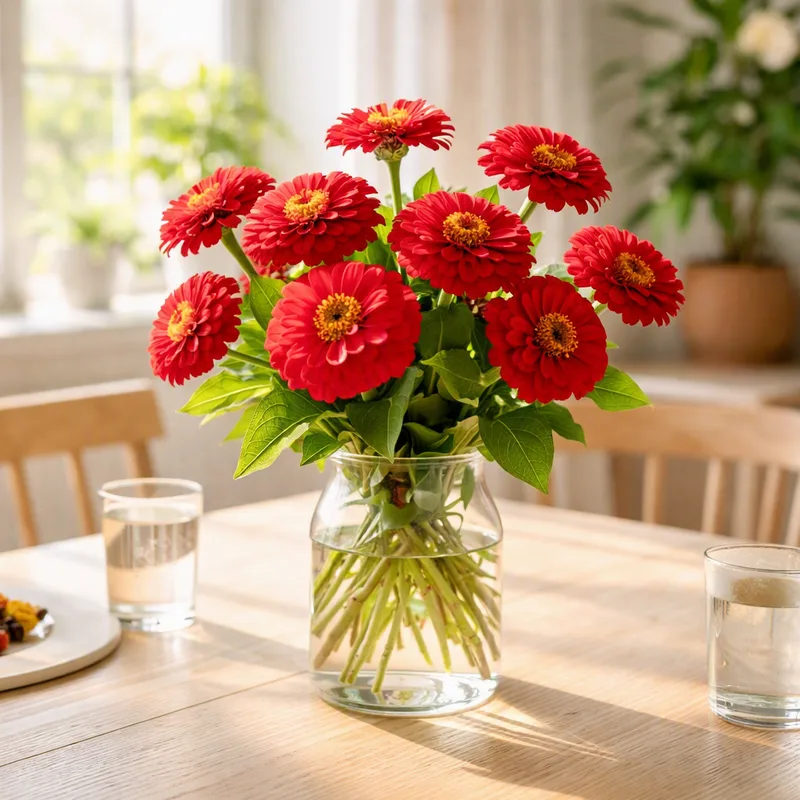
Stems last about seven to ten days. Combine them with sunflowers or green foliage for a bold summer arrangement, and remove all leaves that would sit under water.
Zinnia species are in the ASPCA's non-toxic group for canines, felines and horses. That is useful if you grow a cutting patch near a family dog.
Everyday care for red zinnias
Red zinnias should not be confused with red poppies, the traditional flower for Anzac Day and Remembrance Day.
If mildew shows up in a humid Sydney or Brisbane summer, thin the plants a little, water in the morning and remove the worst leaves. Red varieties keep colour well in strong light, so they are a good choice for the sunniest corner of the garden.