A rarer colour
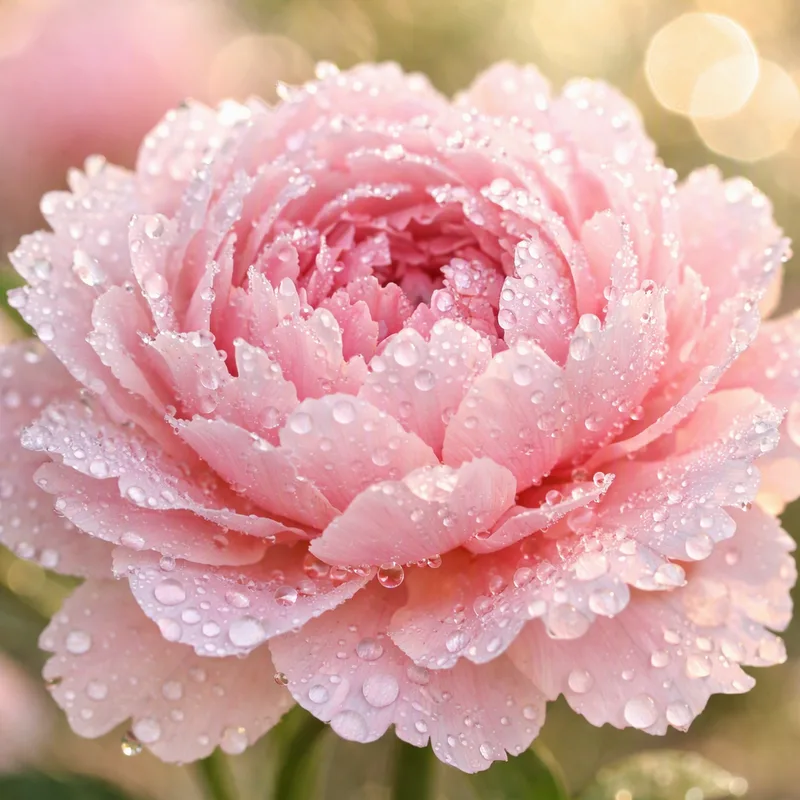
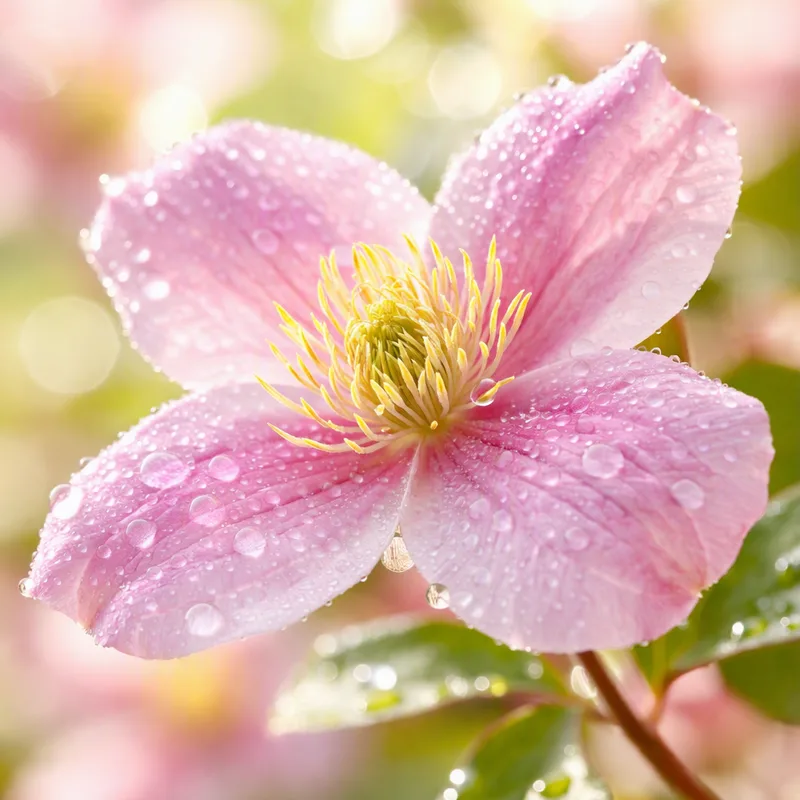
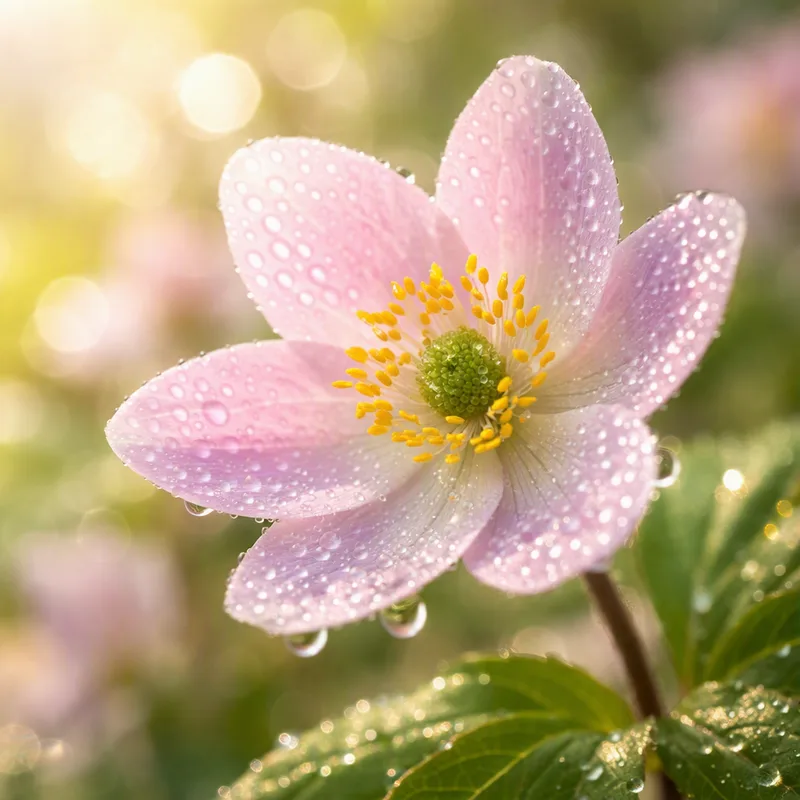
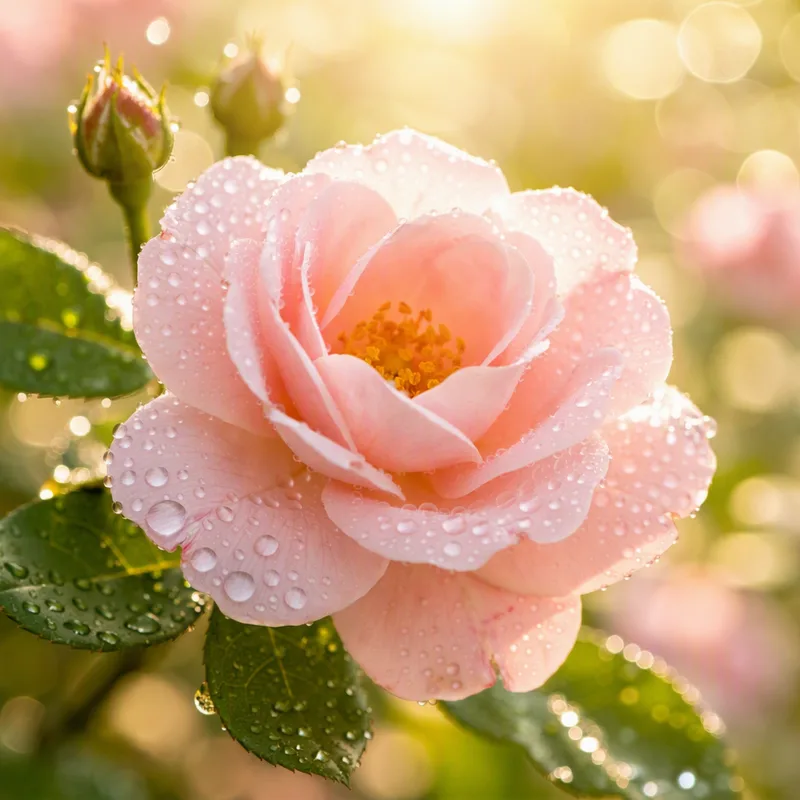
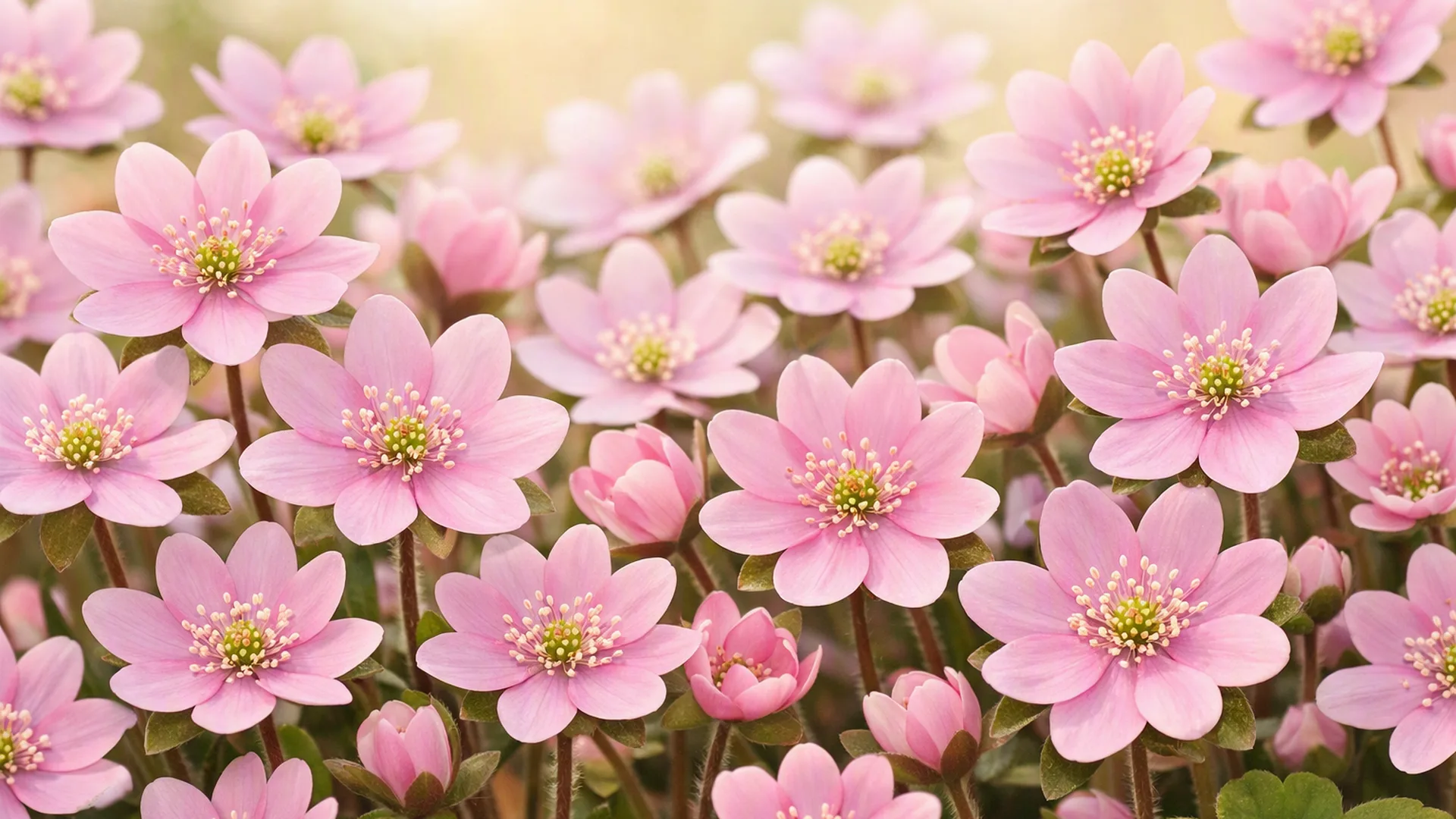
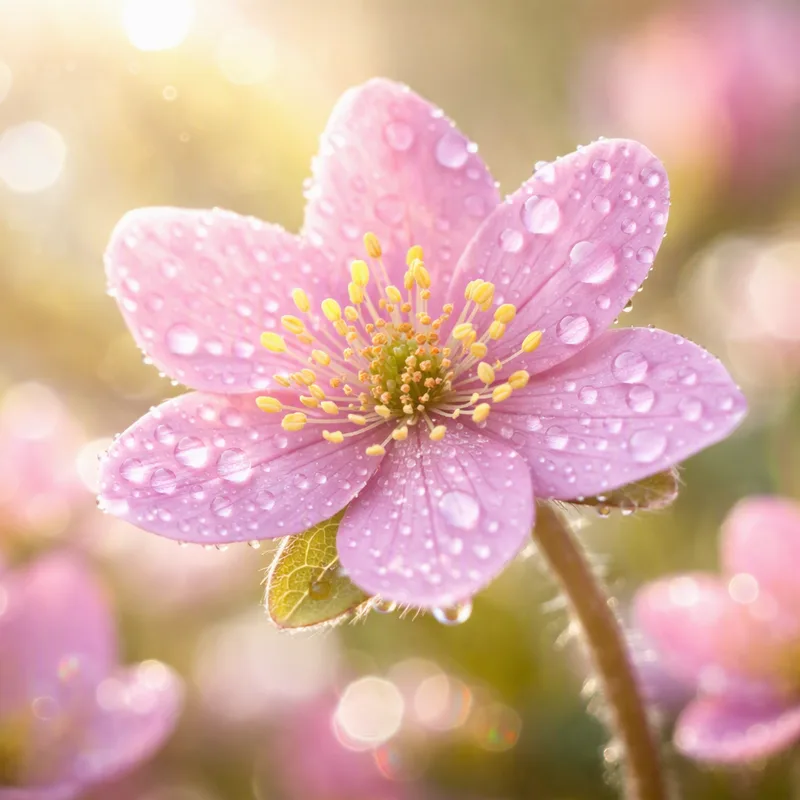
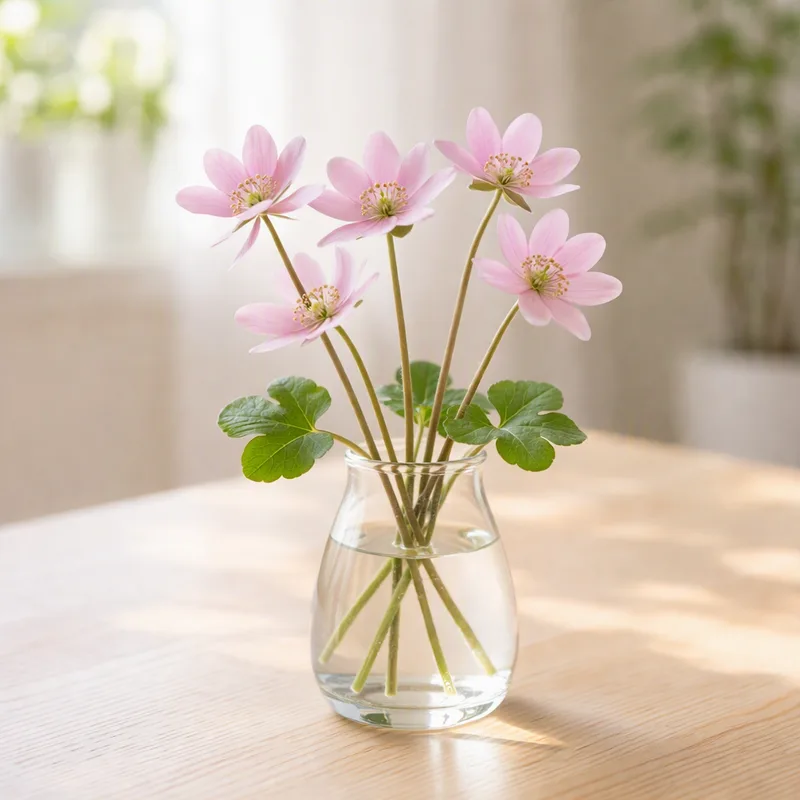
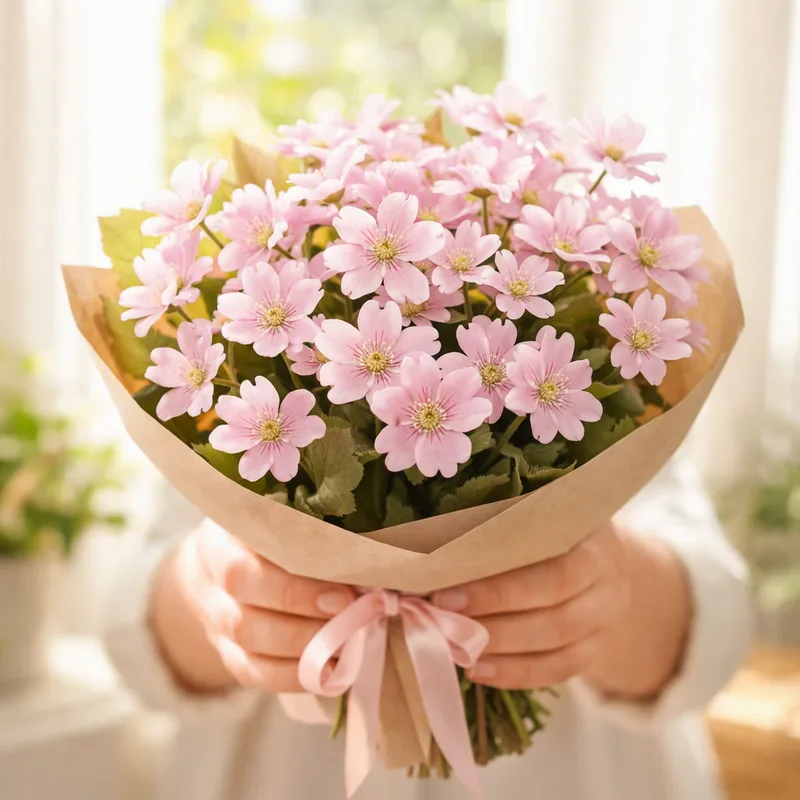
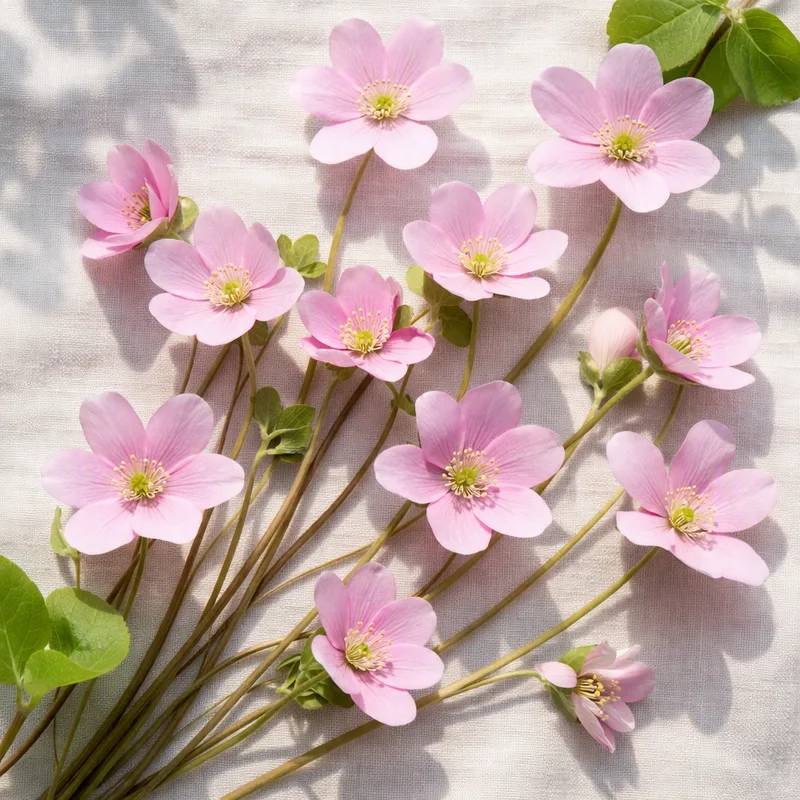
Most hepatica plants are blue, but pink forms occur naturally and have been selected by gardeners, especially in Japan, where hepatica has been bred for centuries. The pink can be pale and silvery or a deeper rose. Because it is a woodland plant that sets seed slowly, pink hepatica is rarely seen outside specialist nurseries and plant societies.
Finding a plant
If you want a pink hepatica in Australia, expect a search. Plants are scarce and the species suits only cool, moist gardens. Without a cold winter, it will not flower well, and a hot summer can kill it. For most readers, pink anemones or pink primroses give a similar early-spring effect, with far less fuss.
When it opens
Hepatica blooms at the end of winter and into early spring, which means roughly August to September in the southern hemisphere. The flowers open before the new leaves, so the show is short and delicate. Flowers last a couple of weeks in cool weather.
Basic needs
- Plant in light shade in soil rich in leaf mould.
- Keep the soil damp, especially in summer.
- Leave the old leaves over winter, and remove them as the new buds appear.
- Avoid heavy feeding.
Is it harmful?
The plant contains substances typical of the buttercup family, and fresh material irritates the mouth, stomach and skin. Keep it away from animals, and call a vet if one has chewed it. For people, the Poisons Information Centre is on 13 11 26.