Pelargonium, not geranium
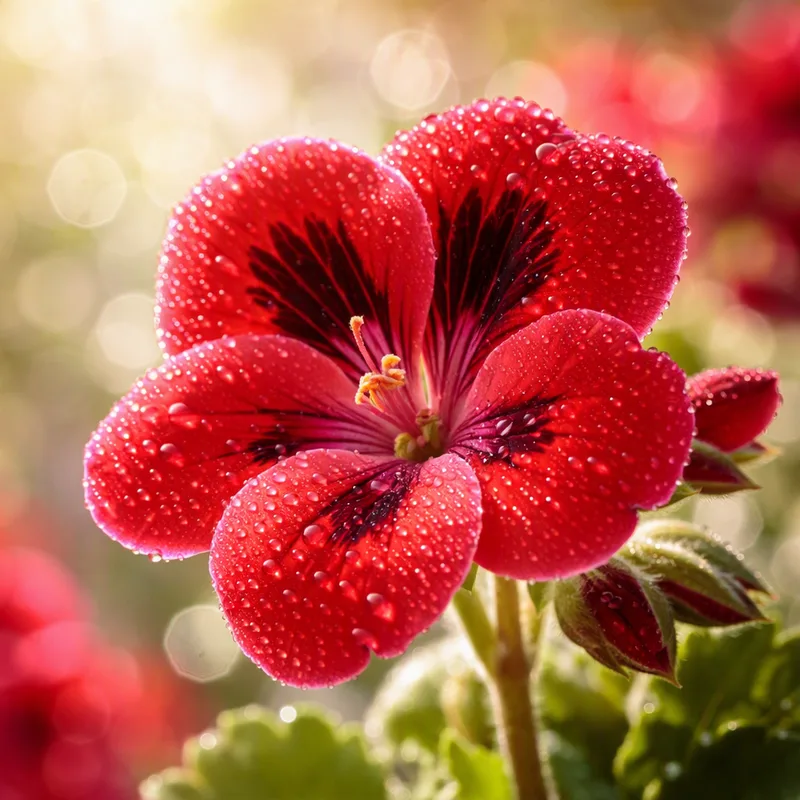
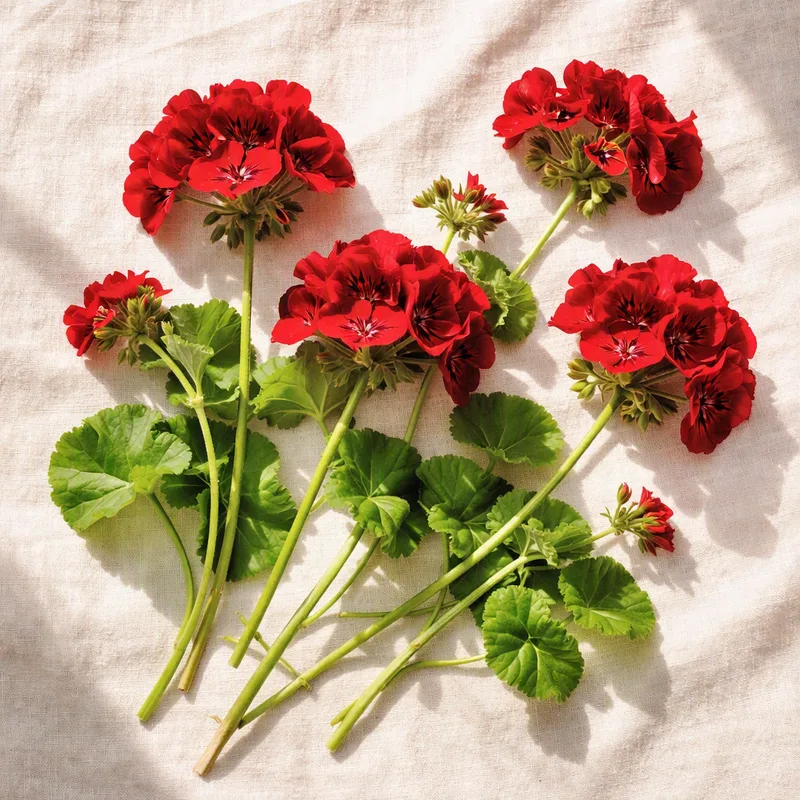
The plants sold as geraniums are almost always Pelargonium, a mostly South African genus. True geraniums, or cranesbills, are a separate genus with more symmetrical flowers. Pelargonium flowers have two upper petals that differ from the three lower ones, and that is the easiest way to tell them apart.
Australia has its own pelargonium. Pelargonium australe, the native storksbill, is endemic here and found in every state except the Northern Territory. It grows to about 50 cm and bears pink flowers with darker markings from October to March.
The garden groups
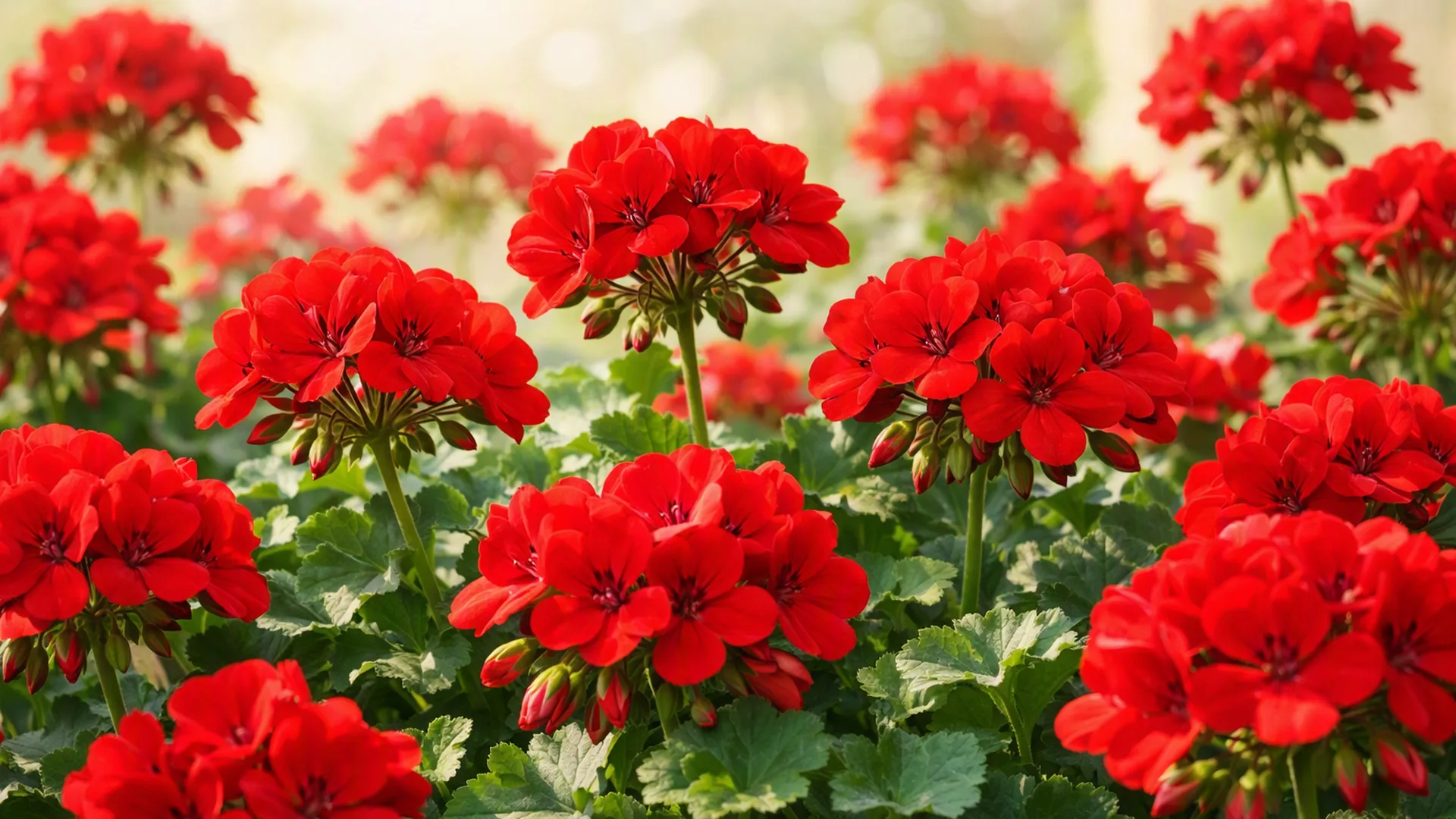
- Zonal pelargoniums have round leaves, often marked with a darker band, and make classic pot plants.
- Ivy-leaved types trail and suit baskets and walls.
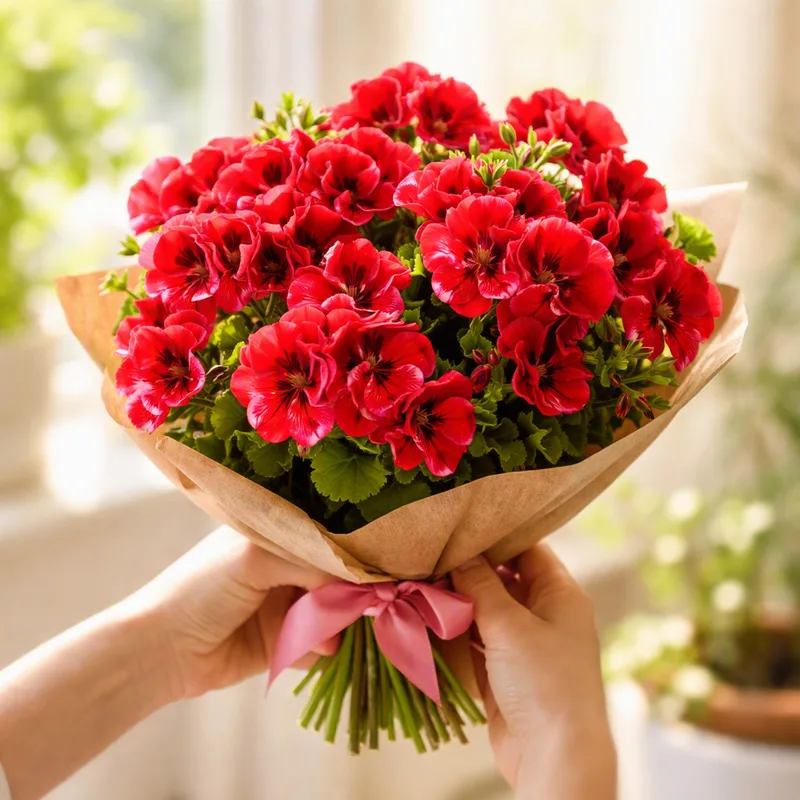
- Regal pelargoniums carry large, ruffled blooms in spring.
- Scented-leaf types are grown for fragrant foliage.
Why they suit this country
Pelargoniums store water in their stems and cope with dry spells, so they do well in Adelaide, Perth and inland districts. They dislike wet feet, which makes drainage the most important factor. Hard frost damages them, so highland and tableland gardeners should shelter pots in winter. In humid Brisbane or the tropical north, they can suffer from rust and root rot.
Simple care
Plant in sun, water when the top of the soil is dry and cut back leggy stems after flowering. Tip prunings can be struck as cuttings.
A word about garden pelargoniums and animals
Geraniol and linalool, the aromatic oils in pelargonium leaves, are why the ASPCA flags the plant for dogs, cats and horses. Vomiting, appetite loss, depression and skin irritation are listed. Ring a vet if your pet has chewed a plant.